Germ Statistics: 5 Surprising Household Surfaces to Clean
We often think of our home as a clean sanctuary. Yet, an unseen world of microbes thrives on everyday items we touch constantly.
Shocking data reveals many common surfaces harbor more bacteria than a toilet seat. This isn’t meant to alarm you, but to inform.
Awareness is the first step toward a healthier living environment. In the UAE’s warm climate, certain conditions can influence where these microbes grow.
This knowledge empowers us to take action. For deep cleaning and disinfection, services like Super Dream Pest Control & Cleaning Services UAE are trusted partners.
We’ll guide you through the most unexpected hotspots. These areas include our kitchens, personal items, bathrooms, electronics, and pet accessories.
Our goal is to provide practical solutions. Let’s explore how to maintain better hygiene together.
Key Takeaways
- Our living spaces contain many unseen microbes on ordinary items.
- Common household objects can have higher bacterial counts than a toilet seat.
- Understanding where germs live is the foundation for effective hygiene.
- The local climate in the UAE can affect where and how microbes spread.
- Professional deep cleaning services offer a thorough solution for disinfection.
- This guide focuses on empowerment and actionable knowledge, not fear.
- We will cover five key areas in the home that often get overlooked.
Introduction: The Unseen World of Household Germs
Beneath the surface of our clean homes lies a bustling world of microorganisms. A typical house is an ecosystem teeming with bacteria, viruses, and fungi. This is a normal, everyday reality.
Microbiologist Jason Tetro notes that the presence of these germs is not inherently alarming. The problem arises from accumulation on overlooked spots. These are the places we touch but rarely think to sanitize.
Our daily routines create invisible highways for microbe transmission. Cooking, touching phones, and playing with pets move these tiny organisms around. They settle on items we use constantly.
Most everyday objects are at least a little bit grimy. They rarely meet soap or disinfectant. We often deal with our own bacteria, but when they build up, issues can start.
This buildup can lead to skin irritability, an itchy scalp, or even cavities. Understanding where microbes gather is the first step to better health. It shifts our focus from visible dirt to microbial load.
A common belief is that the bathroom toilet is the epicenter of filth. Study data tells a different story. Many other household areas harbor significantly higher bacterial counts.
Common Germ Hotspot Misconceptions
| Common Belief | Reality | Key Insight |
|---|---|---|
| The toilet seat is the dirtiest spot. | Kitchen sponges and cutting boards often have more germs. | Focus on food prep areas is crucial. |
| If it looks clean, it is clean. | Microbes are invisible. A shiny surface can still have a high microbial load. | Regular disinfection of high-touch points is needed. |
| Outdoors brings in the most dirt. | We track in microbes, but daily indoor habits cause more redistribution. | Our hands are the primary transfer agents. |
For most people with robust immune systems, this exposure is manageable. However, vulnerable individuals face a higher risk. The elderly, young children, or those who are immunocompromised need more protection.
Pathogens like E. coli and salmonella can lurk on contaminated surfaces. Effective cleaning targets this hidden microbial world. It requires knowing the specific germ statistics for different areas.
In the UAE’s warm climate, certain conditions can influence where microbes thrive. Awareness empowers us to take smart action. The following sections will unveil specific, unexpected items that need attention. We will also provide straightforward cleaning strategies for each.
Germ Statistics: Surprising Household Surfaces to Clean
The numbers don’t lie: common items we handle daily host astonishing levels of bacteria. Various scientific analyses provide a compelling overview of microbial hotspots. This data helps us understand where to focus our hygiene efforts.
A toilet seat is often the universal benchmark for a “dirty” place. Comparing other objects to it gives a relatable scale of contamination. The results can be truly eye-opening.
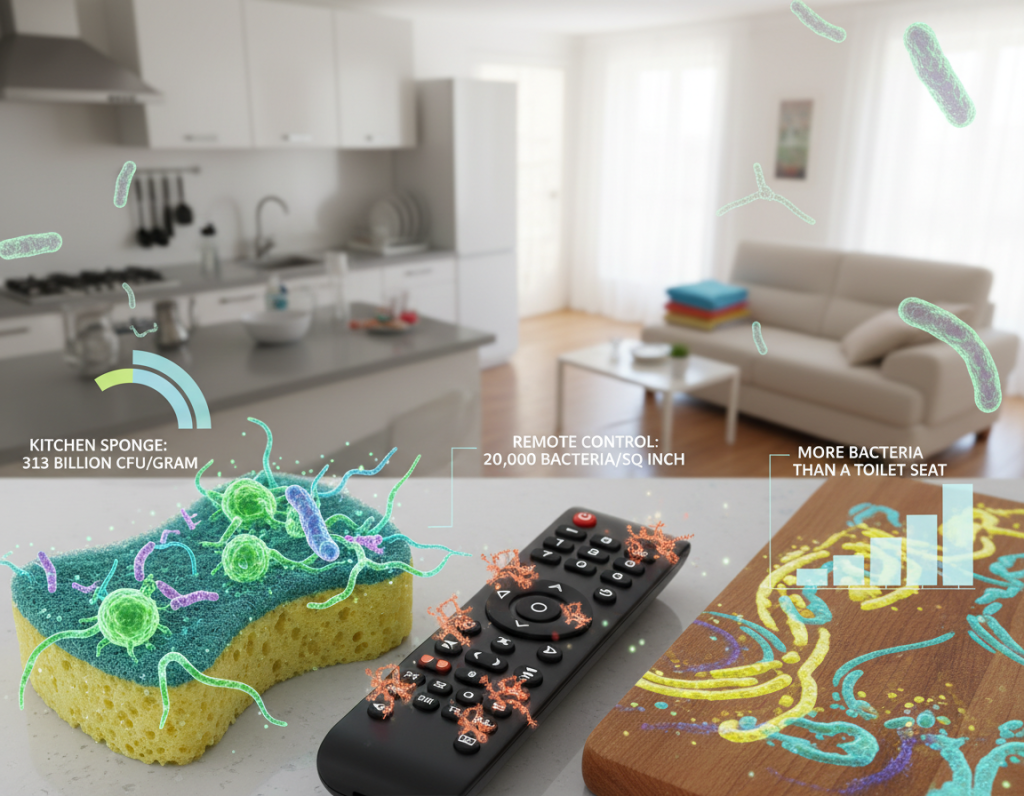
Take the humble kitchen sponge. One study found its microbial concentration similar to a human stool sample. It can harbor billions of bacteria, making it a prime example of an overlooked danger zone.
Other top contenders are just as shocking. Reusable water bottles are a major hotspot. An average bottle tested had 20.8 million colony-forming units (CFUs).
That number is more than 40,000 times the bacterial count on a toilet seat. TV remotes might be 15 times more contaminated. Shower curtains can host 60 times more bacterial life.
How do researchers gather these figures? They use swab tests and bacterial culture counts. This methodology lends strong credibility to the statistics presented.
These findings are not meant to alarm, but to inform. They shift our perception from what looks clean to what is microbiologically clean.
Understanding this data is crucial. It allows us to prioritize our cleaning in the right areas of our homes. Let’s look at the comparative scale.
Comparative Bacterial Load of Common Household Items
| Item | Bacterial Load Comparison | Key Insight |
|---|---|---|
| Kitchen Sponge | Concentration similar to fecal matter. | Warm, damp, and used on various surfaces; needs daily sanitization. |
| Reusable Water Bottle | 20.8 million CFUs (~40,000x a toilet seat). | Moist environment promotes biofilm; requires regular, thorough washing. |
| TV Remote Control | Up to 15x more bacteria than a toilet seat. | High-touch, rarely cleaned; a vector for fecal bacteria. |
| Shower Curtain | Can have 60x more bacterial life. | Constant humidity fosters mold and mildew growth. |
These items are just a few examples from the data. Many other everyday objects in our living spaces show similar trends. The key is regular and targeted disinfection.
Armed with these statistics, we can move beyond guesswork. Our next sections will dive into specific household zones, starting with the kitchen. We’ll provide clear strategies to tackle each one.
The Kitchen: A Breeding Ground Beyond the Obvious
Many kitchens, despite looking spotless, host significant populations of bacteria on common items. This space combines moisture, organic matter, and constant human touch. It creates an ideal environment for microbial growth.
We prepare meals here, but we also transfer microbes with our hands. Every action, from washing produce to handling raw chicken, leaves a trace. Awareness of key hotspots allows us to break this cycle.
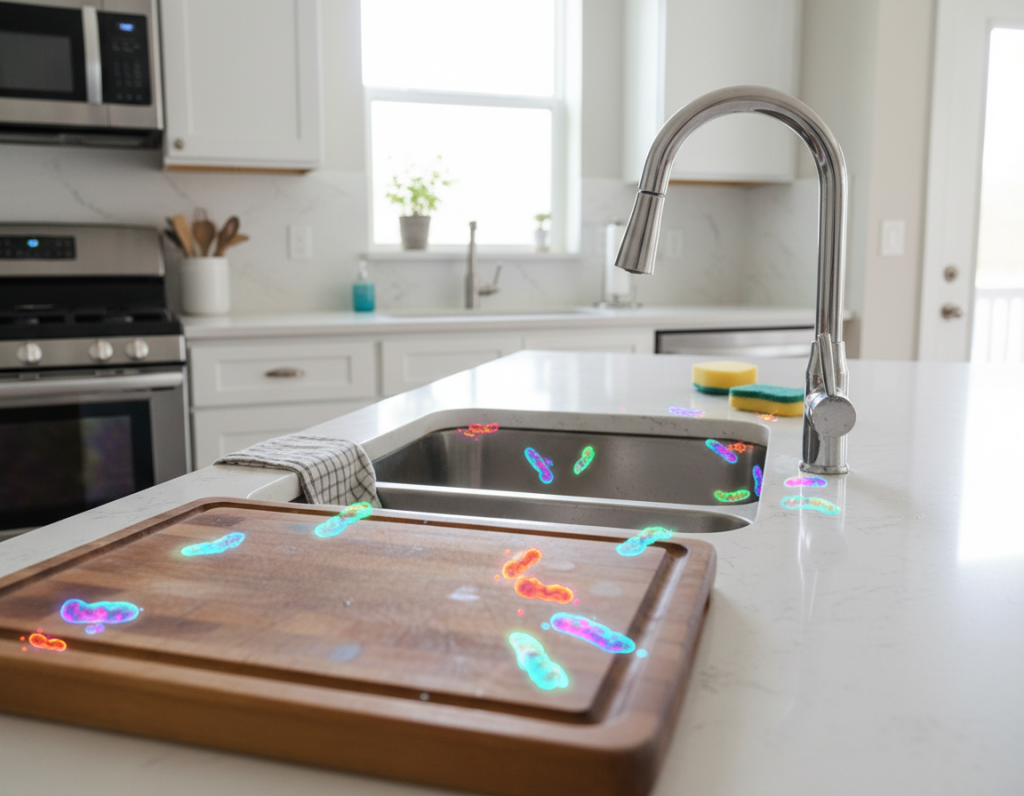
Kitchen Sponges and Dishcloths: The Dirtiest Item in Your Home?
These humble tools are microbiological paradises. They stay damp and have a huge surface area for bacteria to cling to. Most people rarely clean them properly.
Studies show a single sponge can harbor billions of microbes. Pathogens like salmonella and campylobacter are often present. This turns a cleaning tool into a source of contamination.
We need practical solutions to manage this risk:
- Microwave a wet sponge for one minute daily. Be cautious, as this may select for heat-resistant microbes over time.
- Soak it in a white vinegar solution for five minutes to help reduce microbial load.
- The most effective strategy is frequent replacement. Change your sponge every one to two weeks.
Alternatively, running sponges through the dishwasher on a hot cycle can help. Using separate cloths for different tasks also minimizes cross-contamination.
Cutting Boards: The Cross-Contamination Culprit
This essential tool is a major risk if neglected. Cuts and crevices trap tiny particles of food and germs. Using one board for everything spreads pathogens.
The severe risk comes from preparing raw meat, like chicken, then chopping vegetables on the same surface. Harmful bacteria such as E. coli can transfer easily. This is a common cause of foodborne illness.
A disciplined cleaning routine is non-negotiable.
- Wash boards with hot, soapy water immediately after use.
- For occasional deep sterilization, apply a diluted bleach solution (one tablespoon bleach per gallon of water). Let it sit for a few minutes, then rinse thoroughly.
- The best practice is to use separate, color-coded boards. Assign one for raw meat, another for produce, and a third for cooked food.
Sink Faucet Handles and Stove Knobs
These are classic high-touch points we forget. We touch faucet handles with dirty hands before washing them. Oily fingers constantly turn stove knobs during cooking.
Research shows that after handling raw meat, items like spice jars become highly contaminated. The same logic applies to sink and stove controls. They become vectors for viruses and bacteria through direct contact.
Simple habits can drastically reduce this risk.
- Make it a routine to wipe these handles and knobs with a disinfectant every day.
- If renovating, consider installing elbow-operated or motion-sensor taps to minimize touch.
- After handling raw ingredients, use a paper towel to turn on the sink faucet. This breaks the direct hand-to-surface chain.
A proactive, disciplined kitchen cleaning routine is a critical defense for the whole family. It targets the unseen microbes where they thrive most. This turns the heart of your home into a truly healthier space.
High-Touch Personal Items You Use Every Day
Every day, we handle objects that bridge the gap between our bodies and the outside world. These personal items transfer unseen passengers like germs with every contact.
Our phones, bottles, and bags are in constant touch with our hands, faces, and mouths. This makes them significant yet overlooked vectors for microbes.
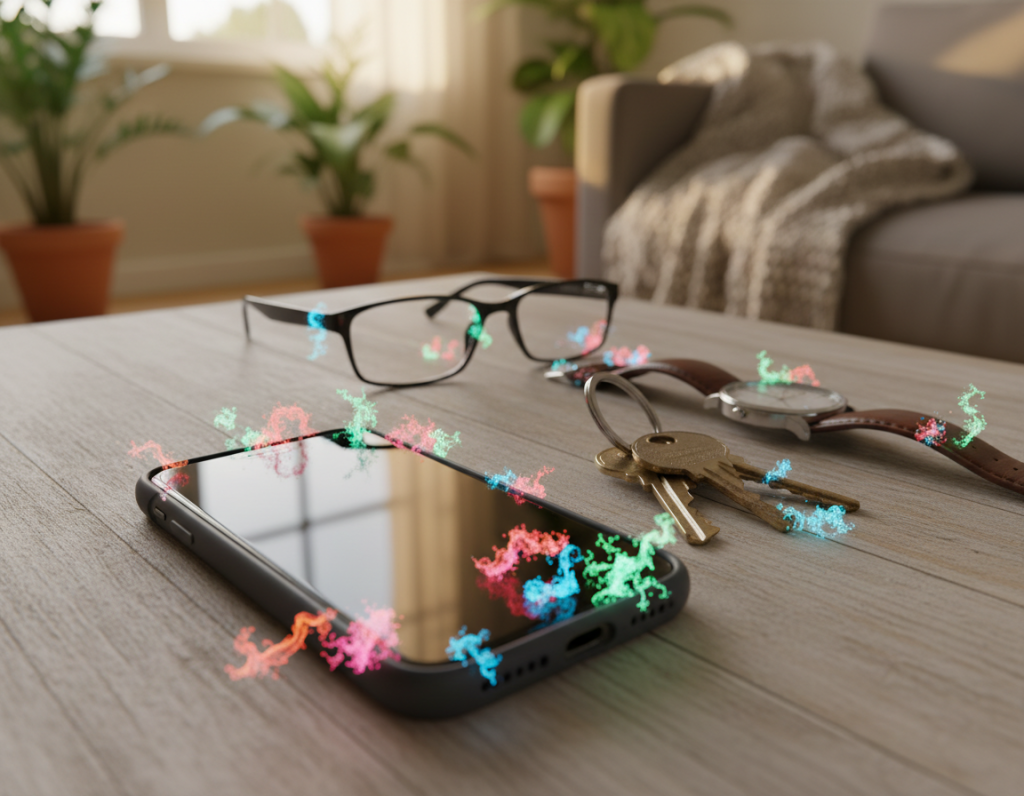
We rarely think to sanitize these belongings. Yet, they travel to all sorts of homes and public spaces.
Cleaning them regularly is as vital as wash hands for our family’s health. Let’s explore three major culprits.
Your Smartphone and Earphones
These devices go everywhere with us, including the bathroom. They rarely get a proper wipe-down.
A study found smartphones could be up to ten times dirtier than a toilet seat. They can harbor pathogens like E. coli that survive for hours.
Earphones present a similar risk. They sit in our ears, creating a warm environment. Fungi and bacteria, including coli, can thrive there.
Simple habits make a big difference.
- Clean your phone daily with alcohol-based wipes safe for screens.
- Wipe down earphones with a disinfectant cloth weekly.
- Always wash hands after using the toilet before touching your phone.
This breaks the chain of contamination at its source.
Reusable Water Bottles: More Than Just Hydration
We carry these bottles to stay healthy, but they can become microbial reservoirs. The statistics are shocking.
An average reusable bottle tested had 20.8 million colony-forming units. That’s tens of thousands of times more bacteria than a toilet seat.
About 20% contained coliform bacteria. Sugary drinks left inside accelerate this growth.
Good care keeps your hydration safe.
- Wash with hot, soapy water every single day.
- Once a week, deep scrub the lid and straw with a bottle brush.
- Never leave old water to stagnate. Empty and dry it when not in use.
This routine prevents biofilm buildup inside.
Handbags, Wallets, and Reusable Shopping Bags
We place these items on floors, grocery carts, and countertops. They pick up germs from every surface.
Reusable grocery bags are a specific concern. More than half tested contained coliform bacteria.
E. coli was present in 8% of bags. Bacteria can grow tenfold in a hot car trunk.
These bags can incubate meat-borne bacteria if used for raw foods.
Protect your family with these steps.
- Machine wash fabric shopping bags regularly using hot water.
- Use separate bags for raw meat and produce to prevent cross-contamination.
- Wipe down leather handbags and wallets with a suitable disinfectant solution.
- Avoid placing bags on public restroom floors or kitchen counters.
This limits the spread of viruses and bacteria into your living space.
Recommended Cleaning Routine for Personal Items
| Item Category | Cleaning Frequency | Primary Method | Key Tip |
|---|---|---|---|
| Smartphone & Earphones | Daily (Phone), Weekly (Earphones) | Alcohol-based screen wipes | Clean after exposure to high-traffic areas. |
| Reusable Water Bottle | Daily wash, Weekly deep clean | Hot soapy water and bottle brush | Dry completely between uses to prevent moisture. |
| Handbags & Shopping Bags | Weekly (Fabric), Bi-weekly (Wipe-down) | Machine wash (fabric) or disinfectant wipe | Designate bags for specific uses like raw meat only. |
Personal hygiene truly extends to the objects we carry. Consistent cleaning of these items protects our skin and health.
It takes just a little time each day. This habit reduces the germ load we bring into our personal space.
Most people overlook this simple step. Making it a routine is a powerful defense for everyone.
Bathroom Blind Spots (It’s Not Just the Toilet)
While we diligently clean the toilet, other bathroom surfaces quietly become thriving ecosystems for bacteria. The constant warmth and humidity create a perfect nursery for microbes.
Our focus on one fixture leaves many other areas neglected. These blind spots are touched daily with unclean hands.
They collect residue and moisture from our bodies. A comprehensive hygiene plan must target these specific places.
Toothbrush Holders and Toothbrushes Themselves
Your toothbrush is a tool for oral health, but it can host over 10 million bacteria. Dripping toothpaste and oral microbes create a grimy residue.
This gunk accumulates in the holder’s base. It becomes a reservoir for microbes we try to eliminate.
This can potentially reintroduce viruses and bacteria, undermining our efforts. Consistent care for these items is crucial.
Follow these simple steps to keep your oral care routine sanitary:
- Rinse your toothbrush thoroughly with very hot water after each use.
- Replace your brush head every month, or sooner if bristles are frayed.
- Clean the holder weekly. Run it through the dishwasher or scrub it with hot soapy water.
- Store brushes upright and apart to allow them to air dry completely.
This routine prevents your dental tools from becoming a source of contamination.
Shower Curtains and Bathroom Taps
Shower curtains are startling microbial hotspots. Research shows they can harbor 60 times more bacterial life than a toilet seat.
They are constantly exposed to warmth, moisture, and bodily contaminants. Mold and mildew find this environment ideal.
Bathroom faucet handles, or taps, are primary cross-contamination points. We touch them with dirty hands before washing and with clean hands after.
This turns the sink area into a central transfer place for pathogens. Tackling these spots requires a dedicated strategy.
- Disinfect shower curtains regularly. Spray them with a diluted bleach solution during tub cleaning. For machine-washable liners, run them through a gentle cycle monthly.
- Wipe down faucet handles daily. Use a disinfectant wipe or cloth. Pay special attention to the hot and cold controls.
- Break the hand-to-handle chain. After washing, use a fresh paper towel to turn the water off. Alternatively, use the back of your wrist or a clean elbow.
These actions significantly reduce the microbial load in this wet room.
A thorough bathroom routine must look beyond the obvious. Targeting toothbrush stations, curtains, and taps disrupts the cycle of germ spread.
This protects everyone in your family from preventable illnesses. It turns one of the most used rooms in our homes into a genuinely cleaner space.
Electronics and Controls: The Invisible Germ Highways
Electronic devices and control panels act as silent conduits for germs throughout our living spaces. We touch them constantly, often with unwashed hands, creating a perfect network for microbial sharing.
These items connect every room in the house. A simple act like changing the channel or turning on a light can transfer pathogens from one person to the entire family.
Breaking this chain of infection is crucial. It is especially important during cold and flu seasons. Let’s focus on the most common culprits.
TV Remote Controls and Gaming Controllers
These devices are handled by everyone and rarely see a cleaning cloth. A study found that TV remotes can be 15 times more contaminated than a toilet seat.
They often harbor high levels of fecal bacteria. This happens because many people never think to sanitize them after using the restroom.
Gaming controllers face similar issues. They are held for long periods, collecting sweat and skin cells. This creates a fertile ground for microbes.
A simple weekly routine can solve this problem.
- Use disinfectant wipes safe for electronics. Wipe down every button and surface.
- For crevices, dip a cotton swab in isopropyl alcohol (rubbing alcohol). Gently clean around the buttons.
- Make this task part of your regular dusting schedule. Consistency is key.
This quick habit significantly reduces the germ load on these high-touch objects.
Computer Keyboards and Light Switches
Our desks and walls host other critical transfer points. These areas are touched countless times each day.
Computer keyboards are notorious. Food crumbs, dust, and dead skin cells fall between the keys. This debris creates a hidden buffet for bacteria and viruses.
To clean it properly, first shut down the computer. Turn the keyboard upside down and gently shake out loose particles.
Then, use a can of compressed air to blow out stubborn dust. Finally, wipe the key surfaces with a cloth lightly dampened with isopropyl alcohol.
Never spray liquid directly onto the keyboard. This simple process should be done every week.
Light switches are another major concern. Research shows they are significant harborers of cold viruses and fecal bacteria.
Every family member makes contact with these switches. This makes them a central hub for pathogen spread within our homes.
We must wipe them down daily. A disinfectant wipe or a cloth with a mild bleach solution works well.
Always remember to wash hands regularly. This is the best way to reduce contamination in the first place.
Taking a little time to clean these control points makes a lot of difference. It protects everyone from preventable illnesses.
Pet Accessories: Love Them, But Don’t Forget to Clean Them
Our furry companions bring immense joy, but their everyday items can silently collect harmful microbes. We often have a sentimental blind spot for these objects.
Bowls, toys, and beds become significant reservoirs for bacteria and mold. This affects both animal and human health within the home.
Maintaining clean pet accessories is a crucial part of overall hygiene. It prevents the spread of zoonotic diseases.
A truly clean house encompasses all its inhabitants, furry ones included. Let’s focus on two major categories.
Food and Water Bowls
Saliva and leftover food create a sticky, wet place perfect for microbial growth. A slimy biofilm forms where bacteria like salmonella can thrive.
This poses a risk to pets and our family, especially young children. They have more contact with floors where bowls sit.
A simple, consistent routine makes a big difference. We recommend these steps for optimal pet health.
- Wash bowls daily with hot, soapy water. Use a dedicated sponge or brush reserved only for pet items. This prevents cross-contamination with your kitchen tools.
- Perform periodic disinfection. Once a week, soak bowls in a diluted bleach solution (one tablespoon bleach per gallon of water) for ten minutes. Rinse them thoroughly afterward.
- Choose the right materials. Stainless steel or ceramic bowls are easier to clean and less porous than plastic. They resist scratches where microbes can hide.
This daily habit disrupts the biofilm before it becomes a problem. It keeps your pet’s feeding station sanitary.
Pet Toys (Both Rubber and Fabric)
All toys pick up dirt, saliva, and environmental microbes from floors and yards. A study highlighted that pet toys can harbor pathogens transferred between species.
Different materials require specific cleaning methods. We must differentiate between rubber and fabric toys for effective care.
Hard rubber or plastic toys endure a lot of chewing. They collect grime in every crevice.
Here is a reliable method for cleaning them:
- For dishwasher-safe toys, place them on the top rack. Run a hot cycle. This is an efficient, hands-off cleaning method.
- For hand washing, use hot soapy water and a brush. For a deeper clean, use the same diluted bleach solution recommended for bowls. Rinse very well.
- Dry completely before returning them to your pet. Moisture encourages mold growth.
Fabric or plush toys need a different approach. They can go directly into the washing machine.
Use hot water and a mild, fragrance-free detergent. Tumble dry on low heat or air dry to prevent damage.
Make this a regular part of your laundry routine, perhaps every other week. Inspect toys for wear and tear, replacing them when they become overly soiled or damaged.
This proactive care protects everyone in the home. It ensures our pets’ playtime is both fun and safe.
Conclusion: Partnering for a Healthier Home in the UAE
Armed with knowledge, we can transform our daily routines into powerful defenses for our families. The real risk often lies not in obvious dirt, but on the high-touch items we use constantly.
Effective hygiene means moving beyond a quick wipe. It requires a targeted plan for key areas like the kitchen, personal gadgets, and the bathroom. Regular disinfection of these places breaks the chain of bacteria spread.
Maintaining this vigilance is tough with a busy life. For a thorough solution, Super Dream Pest Control & Cleaning Services UAE provides expert deep cleaning. Their professional methods tackle the microbes standard cleaning misses.
Assess your own living space. Implement the tips shared here. Consider partnering with professionals to ensure your home is not just tidy, but promotes better health for everyone.