How Often Should You Do Pest Control in Dubai?
Maintaining a schedule for managing pests is a vital question for every resident. It is essential for safeguarding health, safety, and property integrity.
Dubai’s subtropical desert climate presents a unique challenge. Extreme summer heat and coastal humidity create year-round pressure from pests. Rapid urban development and dense living conditions can exacerbate risks.
Your approach must be tailored. The strategy for a standalone villa differs greatly from that for an apartment in a high-rise. Structural differences dictate specific plans.
Common invaders here include cockroaches, rodents, and termites. These pests seek food, water, and shelter, leading to potential infestations.
For long-term protection, professional management is key. DIY methods often fall short. Experts like Super Dream Pest Control & Cleaning Services UAE understand local conditions. They provide effective, scheduled treatments.
Learn How Often Should You Do Pest Control in Dubai? (Villa vs Apartment Guide) with our expert tips from Super Dream Pest Control & Cleaning Services UAE.
Key Takeaways
- Dubai’s climate creates a constant environment for pest activity.
- Your living situation, whether a villa or apartment, requires a different strategy.
- Common household pests in the region include cockroaches, rodents, and termites.
- Regular professional services are more effective than occasional do-it-yourself attempts.
- A scheduled prevention plan is crucial for ongoing home protection.
- Tailored solutions address the specific vulnerabilities of your property.
- Partnering with a knowledgeable company ensures comprehensive management.
Why Pest Control in Dubai Demands a Unique Strategy
Three interconnected forces shape the need for a specialized approach to keeping homes pest-free. Generic solutions fail here because local conditions are extraordinary.
Our strategy must account for environmental extremes, constant urban change, and how people live. Understanding these pressures is the foundation of effective management.
The Triple Threat: Climate, Construction, and Density
Dubai’s climate acts as a constant engine for pest activity. Summer temperatures soar past 45°C, while coastal humidity can reach 90%.
This combination creates a year-round breeding ground. Multiple species thrive simultaneously, seeking relief indoors.
Relentless construction is another major factor. New towers and infrastructure projects constantly disrupt the ground.
This activity displaces populations of rodents and cockroaches. They migrate into nearby residential properties for food and shelter.
Dense urban living adds a third layer of complexity. High-rise buildings are interconnected networks.
Pests travel easily through shared walls, plumbing risers, and AC ducts. Garbage chutes and cable conduits become highways for infestation.

Shared Infrastructure vs. Independent Living Spaces
Apartments face unique risks from common areas. An issue in one unit rarely stays contained.
Shared infrastructure means a problem can become building-wide rapidly. This requires a coordinated prevention effort with neighbors and building management.
Standalone villas present different challenges. Their independence includes gardens, lawns, and water features.
These outdoor areas attract pests like mosquitoes and termites. The property perimeter itself becomes a critical defense line.
A one-size-fits-all plan cannot address these distinct scenarios. Reactive measures, like setting out traps after seeing a rodent, are insufficient.
The first step to real protection is acknowledging these unique pressures. From there, a tailored, strategic treatment schedule becomes essential.
The Most Common Pests Threatening Dubai Homes
Several key pests have adapted exceptionally well to the urban environment here. Each requires a specific counter-strategy.
Correct identification is the cornerstone of effective management. Knowing the species tells us its habits, risks, and the best treatment schedule.
Cockroaches: The Rapid Breeders
Two main types plague local properties. The small, light-brown German cockroach is a major apartment pest.
It thrives in warm, moist areas like kitchens and bathrooms. A single female can produce over 400 offspring in her lifetime, leading to rapid infestations.
The large, reddish-brown American cockroach is more common in villas. It often migrates indoors from landscaped gardens and through drains, especially during the hot summer months.
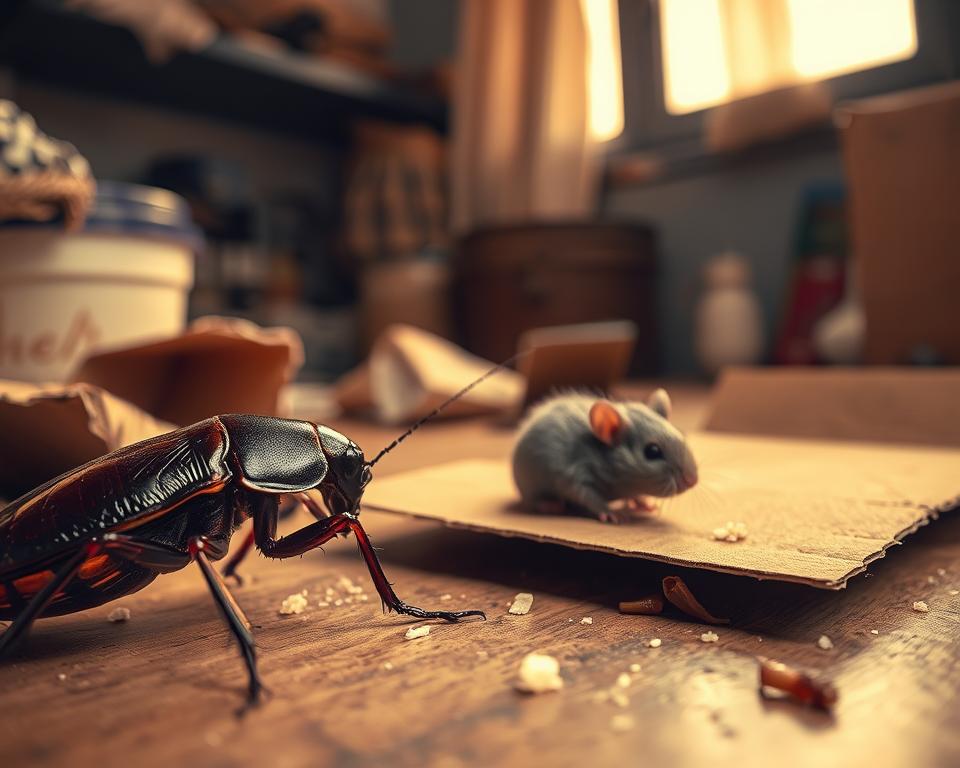
Both species are attracted to food residue and moisture. Their presence signals a need for immediate pest control action.
Rodents: Gnawing Pests with High Stakes
Rats and mice present severe health and safety problems. They are known to spread pathogens, including Salmonella.
Common species in the region include:
- House Mouse: Prefers indoor spaces, nesting in wall voids.
- Roof Rat: Agile climbers often found in upper levels of buildings.
- Norway Rat: Burrowers that target ground floors and gardens.
Beyond disease, their constant gnawing creates a critical fire hazard. Damaged electrical wires inside walls can spark unnoticed.
Spotting droppings or hearing scratching noises demands a professional inspection. Standard traps rarely solve a full rodent problem.
Bed Bugs, Termites, and Ants
Other invaders require specialized attention. Bed bugs are notorious hitchhikers, traveling in luggage and furniture.
They hide in mattress seams, headboards, and even electrical outlets. DIY eradication is notoriously difficult once an infestation is established.
Termites, particularly the local species Psammotermes hypostoma, operate silently. They cause severe structural damage, especially to villas built on sandy soil.
Warning signs include mud tubes on foundations and wood that sounds hollow when tapped. This pest requires targeted, professional treatment.
Ants are a constant nuisance. Black garden ants invade kitchens for food and sugar.
Carpenter ants damage wood, while fire ants deliver painful stings. Controlling these pests often focuses on sealing exterior entry points and perimeter control.
Understanding which pest you are dealing with directly informs the correct frequency and method of pest control. This knowledge is the first step in reclaiming your home.
Understanding Dubai’s Seasonal Pest Calendar
The rhythm of pest life here follows a predictable seasonal beat. It dictates when our homes are most vulnerable.
Aligning our prevention efforts with this calendar transforms our approach. We move from reactive crisis management to proactive protection.
Each quarter brings a shift in the primary threats and optimal strategies.
Summer (June-September): The Peak Invasion Period
Extreme heat from June to September defines this high-risk window. Outdoor temperatures regularly exceed 40°C, often pushing past 45°C.
This intense heat forces outdoor pests to seek refuge. Cockroaches and rodents migrate indoors for cooler conditions and accessible food.
Coastal humidity, especially in areas like Dubai Marina, adds another layer. High moisture fuels explosive breeding cycles for German cockroaches.
Their populations can surge indoors within weeks. This creates severe problems for any residence.
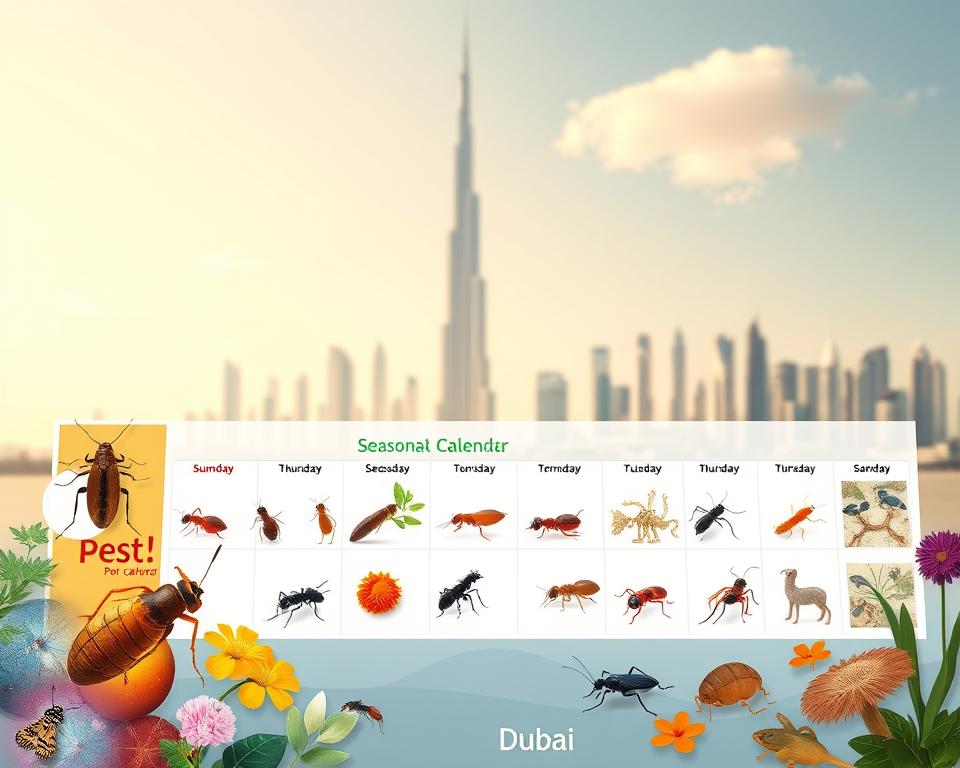
Standalone villas face an added challenge. Standing water in garden irrigation or AC runoff becomes a prime site.
Mosquitoes exploit these areas for rapid breeding. Bed bug activity also peaks as travel increases during these months.
This season demands the most vigilant control and frequent service.
Winter & Spring: Prevention and Preparation Windows
The cooler months from January to March present different issues. Ant activity becomes highly visible.
Rodents are more easily spotted as they forage. Occasional rain can trigger termite swarms, signaling a need for inspection.
Spring, from April to May, is a critical preparation phase. Rising temperatures signal the start of rising pest activity.
It is the ideal window for comprehensive treatment. Addressing cockroach populations now prevents a summer explosion.
Eliminating standing water sources disrupts the mosquito life cycle. This proactive step protects our properties for the coming heat.
Autumn, from October to December, serves as a second strategic period. Increasing ant activity and rodents seeking indoor shelter are key signs.
Scheduling a pest control service during this window is wise. It prevents pests from establishing cozy harborage for the cooler months.
Simple traps are not enough for these seasonal surges. A scheduled, professional pest control plan aligned with this calendar provides real control.
How Often Should You Do Pest Control in Dubai? The Core Villa vs. Apartment Guide
A one-size-fits-all schedule does not exist. The answer lies in whether you live in a detached home or a multi-unit building.
Structural design dictates vulnerability and, therefore, the required frequency of professional pest management. We establish two distinct protocols for optimal protection.
The Villa Protocol: Quarterly Treatments Are Essential
Standalone villas demand a rigorous, quarterly schedule. Professional treatments every three months are not a luxury but a necessity.
Their independent nature creates multiple risk factors. A larger perimeter and outdoor amenities require consistent defense.
- Gardens and lawns attract rodents, termites, and ants.
- Water features and irrigation become breeding sites for mosquitoes.
- Garages and storage areas provide shelter for pests.
- Multiple doors, windows, and utility entry points offer easy access.
This exposure makes prevention the primary goal. Quarterly control services create a lasting barrier around the entire property.
Skipping even one cycle, especially during the intense summer months, can invite serious problems. Consistent quarterly service is the most effective strategy for these properties.
The Apartment Schedule: Bi-Annual Service and Vigilance
For most apartments, a bi-annual schedule serves as a strong baseline. Professional treatment twice a year addresses the unique challenges of enclosed living.
Infestations here often travel through shared infrastructure. Walls, plumbing stacks, and garbage chutes connect all units.
A problem in one apartment can quickly become a building-wide issue. This reality necessitates a different approach.
Bi-annual pest control services focus on internal sealing and monitoring. Technicians target kitchens, bathrooms, and potential entry points from common areas.
Increased vigilance is required in certain scenarios. More frequent, even quarterly, treatments are advised for high-risk buildings.
Signs of neighboring activity, a history of cockroaches or rodent issues, or ongoing nearby construction are all red flags. In these cases, coordinating with building management for a collective inspection and control plan is wise.
These are minimum guidelines. Past infestation history or visible pest activity can dictate more frequent service.
An Annual Maintenance Contract (AMC) is a cost-effective solution. It ensures scheduled treatments are never missed, providing continuous protection for your home.
Regardless of your property type, adhering to this tailored schedule is non-negotiable for long-term pest control success.
Tailored Treatment Approaches for Different Property Types
The physical layout of your residence dictates the precise tactics for pest defense. A standalone home and a multi-unit building face distinct threats.
Our strategy must adapt to these fundamental differences. The scope of work, primary methods, and resident mindset all shift based on property type.
Understanding this split is crucial for effective pest management. It ensures resources are focused where they are needed most.
Villa Strategies: Perimeter Defense and Outdoor Management
For villas, the battlefront is the exterior. The goal is to stop pests before they ever reach the home.
This requires a broad, preventive scope. Professional treatments create a chemical barrier around the entire land parcel.
Perimeter spraying forms the first line of protection. It targets ants, cockroaches, and spiders attempting to cross.
Outdoor management is equally critical. Gardens and lawns are treated to deter rodents and subterranean termites.
Standing water in irrigation or pools is addressed to prevent mosquito breeding. Fogging services may be used in these outdoor areas.
Termite-proofing is a non-negotiable investment for these properties. Soil treatment during construction or as a retrofit provides long-term defense.
Regular inspection for mud tubes or damaged wood is essential. The cost of structural repair far exceeds that of consistent prevention.
Apartment Strategies: Internal Sealing and Shared Space Coordination
In apartments, the focus turns inward. The strategy is containment and blocking internal highways.
Sealing is the cornerstone. Silicone caulk closes gaps around pipes, windows, and doors.
These are the primary entry points from shared walls and ducts. It is a precise, targeted task.
Discrete, low-odor treatments are preferred for safety and comfort. Cockroach gel baits placed in cabinets are highly effective.
They attract and eliminate cockroaches without widespread spraying. This method is ideal for confined living units.
Coordination with building management is the other critical half. Pest activity often originates in common areas.
Garbage chutes, elevator shafts, and central AC ducts require professional control. A collective building service plan addresses these shared problems.
Residents must stay alert to signs from neighboring units. Early reporting of issues prevents small infestations from spreading.
| Focus | Primary Methods | Key Targets | Resident Role |
|---|---|---|---|
| Villa: External, Preventive | Perimeter spraying, outdoor fogging, termite soil treatment, garden management. | Ants, mosquitoes, rodents, termites, cockroaches entering from outdoors. | Maintain outdoor hygiene, eliminate standing water, schedule quarterly control services. |
| Apartment: Internal, Targeted | Internal sealing (caulking), gel bait placement, safe indoor sprays, coordination for common areas. | Cockroaches, ants, bed bugs traveling through shared walls and infrastructure. | Seal internal entry points, store food securely, report building-wide activity to management. |
The table highlights the core contrast. Villa treatments cast a wide net outdoors.
Apartment control zeroes in on precise, internal weak spots. Both require professional expertise for correct application.
Matching the method to the property type is the surest path to a pest-free environment. This tailored thinking forms the backbone of all effective pest control plans.
How to Prepare Your Home for a Pest Control Service
Your actions before the technician arrives directly impact the effectiveness of the entire service. Proper setup allows for complete access to harborage zones and ensures safety for your family and pets.
We recommend following a tailored checklist. This preparation turns a routine visit into a powerful, long-lasting solution for your home.
Apartment Preparation Checklist
For apartment units, the focus is on securing indoor areas and enabling thorough treatment. Start with a deep cleaning of the kitchen and bathroom.
Remove all food debris and grease. These substances can shield pests like cockroaches from applied products.
Next, store all dry goods, utensils, and dishes in airtight containers or sealed cabinets. Remove pet bowls, toothbrushes, and any open personal items from countertops.
Cover large furniture items with sheets if they are near walls or baseboards. This protects them during the service.
Plan to vacate the premises for the recommended two to four hours post-treatment. This allows applied solutions to dry fully and air to circulate, safeguarding your health.
Villa Preparation Checklist
Villas require a more extensive setup covering both indoor and outdoor properties. Begin by clearing the yard of toys, tools, and patio furniture.
This gives technicians clear access for perimeter spraying and outdoor fogging. Trim back vegetation from exterior walls to eliminate hidden entry points.
Inside, close all garage doors and windows. Cover or temporarily relocate fish tanks and bird cages to prevent any exposure.
Secure outdoor pet areas and bring companion animals inside before the team arrives. Keep children and pets away from all treated zones during and after the process.
As with apartments, plan for your household to be away for a few hours. This prevention step is a key part of the protocol.
Thorough preparation is not just a courtesy. It empowers the experts to perform a comprehensive inspection and apply solutions where they are needed most.
“A prepared property is a partner in the process, leading to superior results and lasting protection.”
This collaboration between resident and professional ensures the control measures work at their maximum potential. It addresses current problems and helps prevent future activity.
Aftercare and Monitoring: Ensuring Long-Term Protection
The final bell of the technician’s visit does not signal the end of your role in pest management. What happens next determines the durability of the protection.
Proper aftercare transforms a one-time service into a lasting barrier. It safeguards your family’s health and maximizes the investment in professional control.
We outline the critical steps for the hours and days following a treatment. These protocols differ between apartment units and standalone villas.
Post-Treatment Guidelines for Apartments
For residents in multi-unit buildings, the focus is on indoor safety and preserving chemical barriers. Adherence to these steps ensures effectiveness.
Wait at least two to four hours before re-entering your home. Upon return, open all windows to ventilate the space thoroughly.
Avoid mopping hard floors or wiping down treated surfaces for a full 24 hours. This allows residual products to dry and form an active shield.
Do not be alarmed if you see increased pest activity initially. Spotting dying cockroaches within the first 48 hours is normal.
It indicates the treatment is working. Use gloves and a paper towel for safe cleanup of dead pests to maintain hygiene.
Store all food securely and avoid deep cleaning cabinets immediately. Monitor baseboards and walls for any new signs in the following weeks.
Post-Treatment Guidelines for Villas
Standalone properties with outdoor areas require extended precautions. The scope includes lawns, gardens, and driveways.
Ventilation may need longer after outdoor fogging services. Keep all windows open to clear any lingering mist from indoor spaces.
Restrict access to treated garden beds and lawns for at least 24 hours. This is crucial for the safety of children and pets.
Avoid watering the grass or washing the driveway during this period. It prevents the dilution of perimeter control products.
Check for and eliminate any standing water to disrupt mosquito breeding. Be observant for signs of rodents or termites in outdoor sheds.
Just like apartments, expect a possible flush-out of pests. Consistent monitoring is your best tool for confirming the treatment’s success.
| Action | Apartment Focus | Villa Focus |
|---|---|---|
| Re-Entry & Ventilation | Wait 2-4 hours. Ventilate indoor spaces well. | May require longer ventilation, especially after outdoor fogging. |
| Cleaning Restrictions | Avoid mopping/wiping surfaces for 24 hours. | Avoid watering lawns or washing driveways for 24 hours. |
| Safety for Occupants | Ensure dry surfaces before normal use. | Keep children and pets out of treated garden areas. |
| Expected Pest Activity | Increased sighting of dying insects (e.g., cockroaches) in first 48 hours. | Similar insect flush-out; also monitor outdoor zones for rodent or termite signs. |
| Monitoring Period | Watch interior entry points and walls for new activity for 2-3 weeks. | Inspect perimeter, garden beds, and foundations for several weeks. |
This table provides a clear, actionable checklist. Following it bridges the gap between application and lasting results.
Proper aftercare is not passive. It is an active phase of prevention. Your vigilance directly informs whether a follow-up inspection is needed.
If new problems arise after the initial period, contact your pest control provider. It may indicate a need to address neighboring units or hidden breeding sites.
“The most effective treatment plan includes a responsible aftercare protocol. It ensures the protection we install works as designed for the long term.”
Integrating these guidelines with your scheduled services creates a seamless shield. It turns reactive control into proactive, intelligent management for your home.
Proactive Prevention: Daily Habits to Deter Pests
Lasting freedom from pests relies as much on daily discipline as it does on scheduled professional services. Our routine actions create an environment that is either inviting or hostile to invaders.
These habits form the first and most personal layer of protection for your home. They remove the core attractions: food, water, and shelter.
Non-Negotiable Hygiene Practices
Consistent cleaning is our primary weapon. It directly disrupts the life cycle of common pests like cockroaches and ants.
Wipe down counters and dining areas immediately after meals. Never leave dirty dishes in the sink overnight.
Store all dry goods, including pet food, in airtight containers. This simple step denies rodents and insects a reliable buffet.
Take out the trash regularly and use bins with tight-sealing lids. Deep cleaning behind large appliances monthly is critical.
This targets the warm, greasy hideouts where cockroaches breed. Fixing leaky faucets and pipes eliminates another vital resource: water.
Structural Maintenance and Exclusion Tips
Hygiene must be paired with physical barriers. Sealing potential entry points is called exclusion.
Inspect the exterior and interior of your property. Use silicone caulk to seal gaps around pipes, cables, and vents where they penetrate walls.
Install door sweeps on exterior doors. Repair any torn window screens promptly.
For villas, outdoor management is vital. Maintain a clear, dry perimeter between soil or mulch and your exterior walls.
This deters termites and nesting rodents. Eliminate all standing water in plant saucers, toys, or blocked drains to stop mosquito breeding.
Schedule an annual inspection for termites, especially before the hot summer months. Clear garden waste and clutter from sheds quickly.
In apartments, the focus shifts inward. Seal internal utility gaps behind kitchen and bathroom cabinets.
Coordinate with building management about issues in common areas like garbage chutes. Collective prevention in buildings stops problems from spreading between units.
When these daily and weekly habits are combined with professional pest control treatments, they create a multi-layered defense. This integrated approach significantly reduces the risk of major infestations and safeguards your family’s health and safety.
Professional Pest Control vs. DIY: When to Call the Experts
Every homeowner faces a choice when pests appear: tackle it yourself or call for professional reinforcements. This decision impacts your home‘s safety, your family’s health, and your wallet.
Store-bought sprays and traps have their place. Knowing their limits is the first step toward real protection.
We will explore clear scenarios for each path. The goal is to equip you with the knowledge to make the right call.
Scenarios Where DIY Falls Short
Do-it-yourself methods can handle minor, visible problems. A lone ant trail or a single mouse might be managed with a trap.
Occasional garden mosquitoes may respond to citronella candles. These are surface-level issues.
Established colonies and hidden invaders are a different story. Spotting multiple cockroaches during the day signals a large, hidden population.
Any sign of bed bugs demands immediate expert inspection. DIY eradication for these pests almost always fails.
Rodent activity, like gnaw marks or droppings, indicates a network. Store-bought baits often miss the main nest.
Mud tubes or damaged wood point to termites. This requires specialized soil treatment beyond any consumer product.
The core limitations of DIY are significant. Amateurs cannot find all hidden harborage sites inside walls or under floors.
They lack access to professional-grade, long-lasting chemicals. Most importantly, there is no warranty if the problem returns.
This leads to a cycle of repeated purchases and frustration. Minor infestations can grow into major property threats.
The Long-Term Value of Professional Service
Expert pest control services offer a strategic, integrated approach. It is called Integrated Pest Management (IPM).
IPM combines thorough inspection, physical exclusion, targeted treatment, and ongoing monitoring. This method attacks the root cause.
Professionals identify species and understand their behavior. They know where rodents travel and where cockroaches breeding occurs.
Safety is a paramount advantage. Experts use secured bait stations and low-exposure methods.
This is crucial for properties with children and pets. The right management protects your family’s well-being.
The economic argument is strong over time. Professional service has a higher upfront cost.
It prevents costly damage from termites or rodents. It also stops the cycle of buying ineffective DIY kits.
Reputable companies provide warranties on their work. This guarantees peace of mind and long-term results.
“Investing in professional pest management is an investment in prevention. It stops small issues from becoming expensive, disruptive crises.”
For scheduled, preventive care, professional control services are the reliable choice. For dealing with any established infestation, they are the only effective solution.
This approach safeguards your home and offers true, lasting protection.
Choosing the Right Pest Control Partner in the UAE
Not all pest control services are created equal. Making the right choice is vital for long-term home protection.
Your selection impacts your family’s health and your property‘s integrity. We outline the non-negotiable credentials and service standards you must demand.
Key Credentials: Dubai Municipality License and Expertise
The first checkpoint is official authorization. A valid Dubai Municipality pest control licence is mandatory for all operating companies.
Every technician on site should carry an individual approval card. This verifies their training in safe chemical handling and application techniques.
Local expertise is the second critical credential. Providers must understand region-specific pests like red palm weevils and sand termites.
This knowledge informs effective treatment strategies for both villas and high-rise buildings. It turns generic spraying into targeted management.
Always ask to see these documents before any work begins. Reputable firms are transparent and proud to show their compliance.
What to Expect from a Reputable Service Provider
A professional engagement starts with a thorough inspection. The technician should examine your entire property for activity signs and entry points.
They will identify the pest species, whether cockroaches, rodents, or ants. This diagnosis is the foundation of a custom plan.
The proposed treatment should follow Integrated Pest Management (IPM) principles. IPM prioritizes prevention and uses chemicals as a last resort.
You have a right to know what products will be used. Reputable companies provide Safety Data Sheets upon request.
These sheets detail chemical profiles and safety precautions for pets and residents. They only use approved, often eco-friendly, solutions.
A mark of true confidence is a service warranty. Quality providers include follow-up visits in their plan.
These visits ensure the treatment worked and address any new issues. They maintain detailed records of all services performed.
“Choosing a licensed partner who employs IPM isn’t just about eliminating pests today. It’s about investing in a scientifically sound strategy for ongoing protection.”
An example of a provider meeting these standards is Super Dream Pest Control & Cleaning Services UAE. They offer licensed, tailored control services for apartments and villas.
Their comprehensive approach includes eco-friendly treatments and clear warranties. The added value of their deep cleaning services is significant.
Cleaning removes the food residues and clutter that attract pests. This combination tackles both the symptom and the root cause of infestations.
By verifying credentials and expecting these service standards, you secure a true partner. This partnership delivers peace of mind and a reliably pest-free environment.
Conclusion
Ultimately, effective defense against pests hinges on a blend of scheduled expertise and daily diligence. Dubai’s unique climate and dense urban landscape make regular professional services a necessity.
For standalone properties, quarterly treatments are key. Apartments benefit from bi-annual schedules. Adjustments are based on specific risk factors.
A proactive, preventive strategy aligned with seasonal patterns is far more effective. Combining expert pest control with consistent home hygiene creates a powerful barrier.
Choosing a licensed partner like Super Dream Pest Control & Cleaning Services UAE ensures safe, tailored solutions. Their integrated management offers lasting protection.
We encourage you to assess your property’s needs. Schedule a consultation to implement a robust defense plan for your home.