Effective Tips to Remove Stubborn Stains from Sofa & Carpet in the UAE
Life in our vibrant UAE homes is full of activity. Kids, pets, and frequent social gatherings bring joy but also inevitable spills and marks on our furnishings.
A pristine sofa or carpet can feel like a constant battle. We understand the challenge. These spots are a common fact of life here.
Acting fast is the most critical step. A quick response stops a fresh spill from becoming a permanent, set-in stain. This guide is your expert resource.
We provide clear, actionable methods to tackle tough spots. You can take care of your investments without guesswork. Our goal is to save you time and frustration.
Replacing furniture isn’t your only option. With the right process and knowledge, you can remove stains effectively. Let’s dive into the best cleaning techniques for your home.
Key Takeaways
- Immediate action is crucial to prevent spills from becoming permanent stains.
- This guide offers proven methods tailored for the UAE lifestyle and climate.
- You can restore your furnishings without the need for costly replacements.
- Understanding your fabric type is the first step to safe and effective cleaning.
- Having the right tools on hand simplifies the entire stain removal process.
- Regular maintenance keeps your sofa and carpet looking fresh for longer.
- Professional help is recommended for very old or delicate fabric stains.
Introduction to Stain Removal in the UAE
In the UAE, factors like high humidity and imported fabrics turn simple spills into complex cleaning puzzles. Our local lifestyle, with its vibrant social gatherings and specific culinary habits, introduces unique stain culprits.
Common offenders include dark coffee, rich spices, and fine desert sand. Each one interacts differently with your furnishings.
High humidity can slow drying times dramatically. This allows spills to seep deeper into fibers, setting the stage for a permanent mark.

Successful stain removal is a science. It starts with identifying the spill and your material. Vigorous scrubbing often makes things worse.
The correct first response is non-negotiable. Reaching for a clean cloth to blot, not rub, is the most powerful step you can take. This immediate action prevents a fresh accident from becoming a set-in nightmare.
Our guide provides a complete process. We start with fabric identification and move to targeted treatments. You’ll learn when a simple water-based solution works and when stronger measures are needed.
We also cover the limits of DIY efforts. For very old or delicate stains, professional equipment and cleansers are the safest choice.
Our goal is to give you confidence. With this knowledge, you can handle most accidents in your living room. You can protect your investment and make sure your home stays beautiful.
Knowing Your Fabrics: Upholstery and Carpet Cleaning Codes
The secret to successful spot treatment lies in a small, often overlooked tag. This step is the most critical before any cleaning begins. Ignoring it can ruin your fabric and void manufacturer warranties.
Every piece of upholstery and carpet has a hidden instruction manual. It’s a care label with a standardized cleaning code. These codes are your roadmap for safe, effective maintenance.
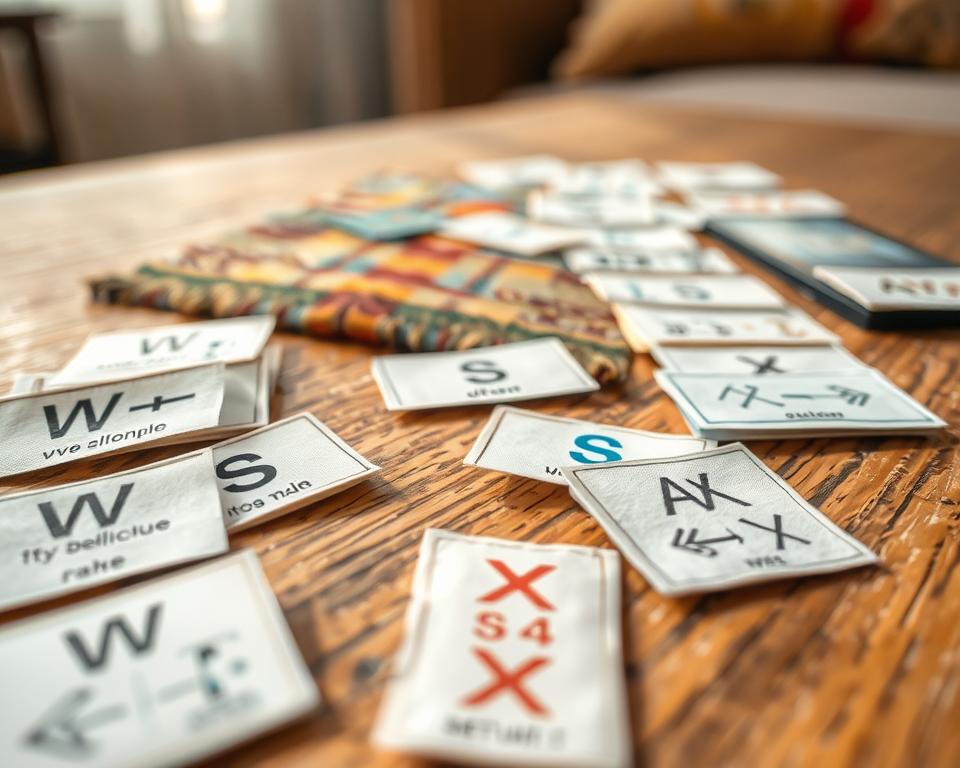
Locate this tag under the cushions or on the underside of your couch. For carpets, check the back corner. If the tag is missing, proceed with extreme caution. Always test any solution on a hidden area first.
Understanding these codes saves time and prevents damage. Let’s break down what each one means for your furniture.
Water-Safe Fabrics (Code W)
Code W indicates fabrics that are safe for water-based cleaning. These are often the easiest materials to care for at home.
You can use water-based detergents or mild soap solutions. Blot the affected area with a damp, clean cloth. Avoid oversaturating the material.
Allow the area to dry completely. This process is straightforward but still requires a gentle touch. Vigorous scrubbing can distort fibers.
Solvent-Only Fabrics (Code S)
Code S is a strict warning. These materials are damaged by water. Using it can cause rings, shrinkage, or discoloration.
You must use water-free, solvent-only cleaners. These are often called dry-cleaning solvents. They are available at most hardware stores.
Apply the solvent with a white cloth to prevent dye transfer. Work in a well-ventilated area. The fumes from these cleaners can be strong.
Water or Solvent Fabrics (Code WS)
Code WS offers the most flexibility. You can choose either a water-based or solvent cleaner. This is common for many synthetic blends.
We often advise starting with a solvent for oily stains. For water-based spills, a mild detergent solution may work. Make sure to test your chosen method first.
This code gives you options. However, it doesn’t mean you can use both at the same time. Select one approach and follow it through.
Professional Clean Only (Code X)
Code X is a clear directive. Do not attempt any DIY cleaning beyond vacuuming. These delicate fabrics require expert handling.
Using water or solvents at home will likely cause irreversible damage. This includes many velvets, silks, and some antique weaves.
Your only safe action is to gently vacuum loose debris. For any spill, contact a professional service immediately. This protects your valuable furniture investment.
| Cleaning Code | Meaning | Safe Cleaning Method | Key Note |
|---|---|---|---|
| W | Water-Safe | Water-based detergents only. | Easiest for home care. Avoid over-wetting. |
| S | Solvent-Only | Dry-cleaning solvents only. No water. | Water will cause damage. Use in ventilated area. |
| WS | Water or Solvent | Can use either type of cleaner. | Test first. Choose method based on stain type. |
| X | Professional Clean Only | Vacuum only. No liquid cleaners. | DIY attempts will void warranties and cause harm. |
Always check the tag on your couch or carpet. This simple habit is the foundation of all successful cleaning. It guides your entire process and keeps your upholstery looking its best.
If you are ever unsure, err on the side of caution. A small, hidden patch test can prevent a large, visible disaster. This knowledge empowers you to act confidently and correctly.
Gathering Your Stain Removal Toolkit
Building a dedicated cleaning kit transforms a stressful accident into a manageable task. Your immediate response is crucial. Having the right supplies ready saves precious minutes.
We recommend assembling a simple box or caddy. Keep it in a convenient location, like a utility closet. This proactive step makes you the master of any spill.
Effective solutions often come from common household items. You do not need expensive specialty products. A few reliable staples form the core of your arsenal.
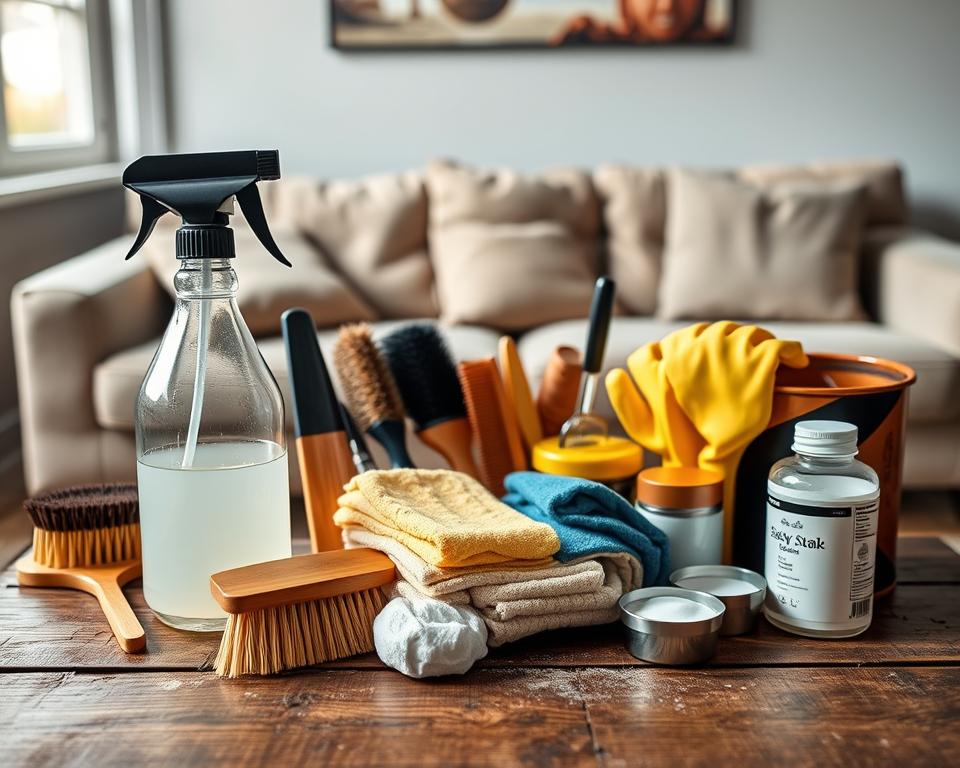
Your toolkit should contain versatile agents for different types of marks. Each item has a specific role in the cleaning process. The table below outlines the essentials for every UAE home.
| Item | Primary Use | Key Note |
|---|---|---|
| White Vinegar | Acidic cleaner; breaks down residues and neutralizes odors. | Use distilled white vinegar for best results. |
| Mild Liquid Dish Soap | Breaks down grease and oil-based stains. | A small amount is powerful; avoid harsh detergents. |
| Baking Soda | Absorbs moisture and deodorizes fabrics. | Great for fresh spills and post-cleaning odor control. |
| Isopropyl Alcohol (70%) | Solvent for ink, glue, and some dye stains. | Test on hidden area first; use in a ventilated space. |
| Clean White Microfiber Cloths | Blotting and rinsing without lint or dye transfer. | Have multiple cloths ready for different steps. |
| Empty Spray Bottle | Applying homemade cleaning solutions evenly. | Label bottles clearly to avoid confusion. |
| Vacuum with Upholstery Tool | Removing dry debris before and after cleaning. | Essential for maintaining carpets and sofas. |
White vinegar is a natural acid. It helps dissolve many common spills. Combine it with warm water for a gentle yet effective cleaning solution.
Mild dish soap cuts through grease from food or lotions. Always dilute it. A few drops in a bowl of cool water creates a safe solution for many fabrics.
Baking soda is your go-to absorbent. Sprinkle it on a fresh spill to pull moisture upward. It also eliminates unpleasant odors after the stain is gone.
Isopropyl alcohol tackles stubborn ink marks. Apply a small amount to a cloth and dab gently. Never pour it directly onto your carpet or sofa.
We suggest a simple, all-purpose blotting formula. Mix equal parts white vinegar and warm water in your spray bottle. Add a dash of liquid dish soap.
Shake the bottle gently to combine. This mixture works on many water-based stains. It is a fantastic first-response cleaner.
The type of cloth you use matters. Always choose white, lint-free fabrics. Colored cloths can transfer dye, creating a new problem.
Have several cloths on hand during any cleaning session. Use one for applying the solution. Use another, damp with clean water, for rinsing.
A third, dry cloth is for blotting the area dry. This multi-cloth method prevents re-depositing dirt.
Assemble this toolkit today. Do not wait for an accident to happen. Being prepared gives you confidence and control.
Your quick, correct action will preserve the beauty of your furnishings. This small investment of time pays off for years. You are now ready for the next step: the universal blotting technique.
The Universal Blotting Technique: First Response to Spills
The moment a liquid touches your fabric, a critical countdown begins. Your first move determines the final result. We declare blotting as the non-negotiable golden rule for any liquid spill.
Scrubbing is the enemy of clean upholstery. This common mistake grinds the stain deeper into the fibers. It also spreads the spill over a wider area.
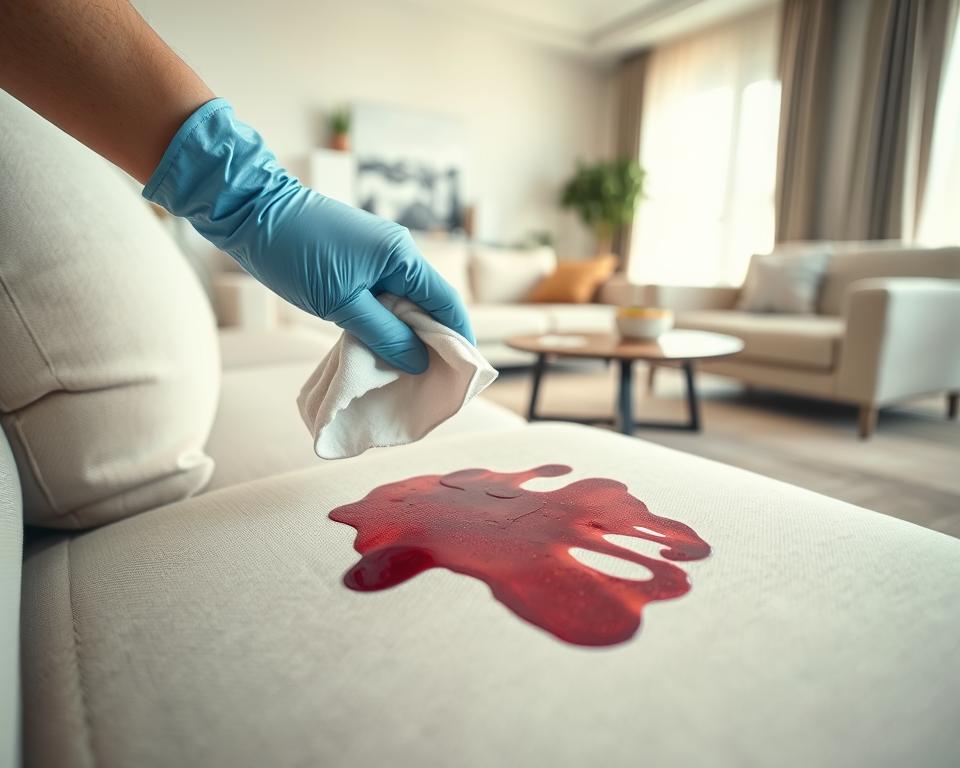
The correct method is simple but requires discipline. Always reach for a dry, absorbent, clean cloth immediately. Paper towels can work in a pinch.
Press the cloth straight down onto the damp area. Apply firm, even pressure. Do not rub or use a circular motion.
Lift the cloth to check absorption. Repeat this press-and-lift motion. Move to a fresh section of your cloth as it becomes saturated.
This technique pulls liquid upward through capillary action. It can lift a significant portion of a fresh spill. Your subsequent cleaning steps become much easier.
The protocol is identical for both sofas and carpets. Establishing this consistent first response is vital. It protects your investments from permanent damage.
Why is this so effective? Blotting contains the accident. It prevents the spill from migrating into the fabric’s backing. This is crucial for carpets to avoid pad saturation.
For a fresh coffee or juice stain, vigorous blotting may remove most of it. You might avoid using stronger cleaners altogether. Make sure you have several cloths ready for this task.
Contrast this correct action with the common error. The table below highlights the dramatic difference in outcomes.
| Correct Action (Blotting) | Wrong Action (Scrubbing) |
|---|---|
| Lifts liquid up and out of fibers. | Grinds particles deeper into the fabric. |
| Minimizes the affected surface area. | Spreads the spill, making it larger. |
| Preserves fabric texture and integrity. | Frays and damages delicate fibers. |
| Sets the stage for easy, complete cleaning. | Creates a set-in, permanent mark. |
Adopt this habit for every accident. Your success rate with any removal process will improve. This foundational step is more important than the cleaner you choose later.
Remember, your goal is absorption. Continue to blot until no more moisture transfers to the cloth. Only then should you consider applying a cleaning solution.
This universal technique is your first line of defense. It turns panic into controlled action. Master it, and you have won half the battle against household stains.
How to Remove Stubborn Stains from Sofa & Carpet: A Step-by-Step Guide
Before reaching for a specialized cleaner, a universal process sets the stage for success. The specific recipes we will share later all rely on this core framework.
It combines your knowledge of fabric codes with items from your toolkit. This three-step sequence is your blueprint for effective treatment.
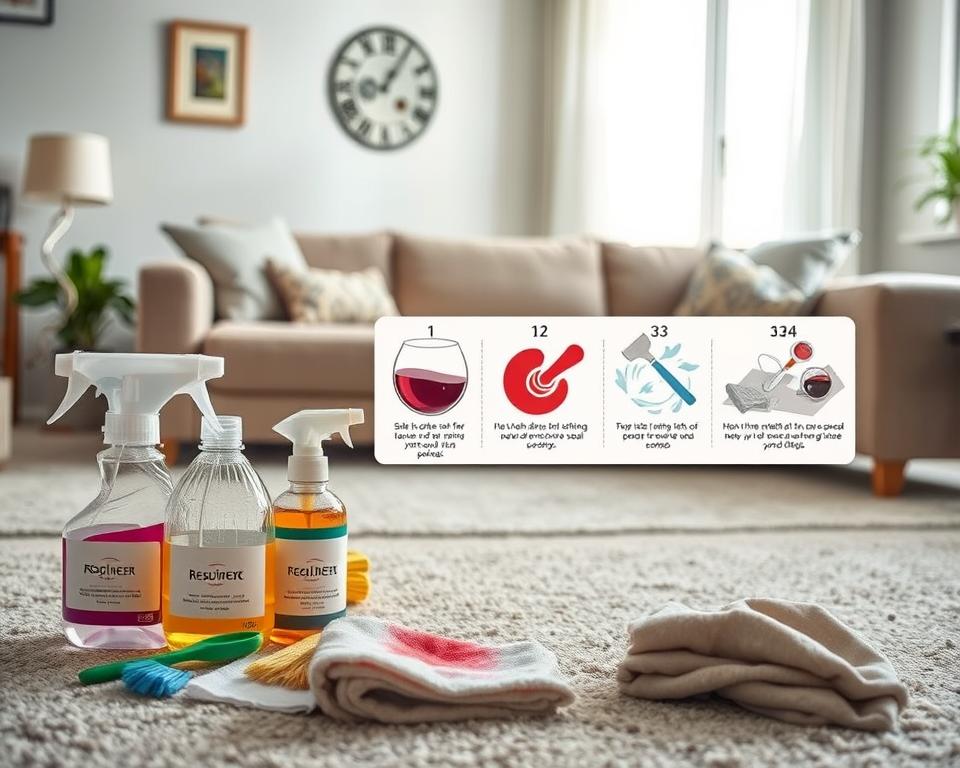
Following this order prevents common mistakes. It ensures you address the mark without harming your material.
Let’s break down this essential process. Master it, and you can confidently handle any spot.
Step 1: Vacuuming Loose Debris
This initial step prepares the area for treatment. It is crucial for two types of situations.
First, for dry, particulate marks like mud or dried food. Let the substance dry completely first. Then, gently scrape off any crusted excess with a blunt edge.
Second, it is a vital prep step before applying any wet cleaning solution. Loose dirt or sand can grind into the fabric during blotting.
Always use your vacuum‘s upholstery attachment. This soft brush tool is designed for delicate surfaces.
Run it over the affected spot and the surrounding area. This simple action removes abrasive particles that could cause damage.
Step 2: Applying Cleaning Solutions
Now you select and apply the correct treatment. Your fabric’s care code and the spill type guide your choice.
Use a clean cloth or spray bottle to apply the solution. Do not pour liquid directly onto the fabric.
Less is more. Apply a small amount and let it dwell for a few minutes. This dwell time allows the cleaner to break down the mark.
Gently agitate the area with a soft-bristled brush or by blotting with a cloth. Never scrub vigorously.
This method lifts the stain without driving it deeper. Blot repeatedly to transfer the dissolved spill to your cloth.
Step 3: Rinsing and Drying Thoroughly
This final step is often overlooked but is vital. Skipping it can leave a sticky residue or cause a “cleaning ring.”
You must rinse the area to remove all soap or cleaning agent traces. Dampen a fresh, white cloth with plain water.
Blot the treated spot repeatedly. Make sure you use a section of the cloth that is still clean.
Continue until no more suds or solution transfers. Proper rinsing prevents the spot from reappearing.
Finally, dry the area completely. Use a dry, absorbent towel to blot up as much moisture as possible.
Allow it to air dry fully. In the UAE’s humidity, using a fan to circulate air can speed up the process. Avoid direct heat from hairdryers, as it can set remaining traces.
| Step | Primary Purpose | Key Action | Pro Tip |
|---|---|---|---|
| 1. Vacuuming | Remove dry, loose debris to prevent grinding and prepare the surface. | Use the soft upholstery attachment. Gently scrape dried material first. | Essential for “dry” stains like mud or cocoa powder. |
| 2. Applying Solution | Break down and lift the stain from the fibers. | Apply chosen solution sparingly. Allow dwell time, then blot—don’t scrub. | Let the chemistry do the work. Your fabric code dictates the safe solution. |
| 3. Rinsing & Drying | Remove all cleaning residue and prevent water marks or rings. | Blot with a water-dampened cloth, then blot dry. Air dry completely. | This step seals your success. Incomplete drying can lead to mildew in humid climates. |
This three-step framework is your foundation. It applies before any specific treatment for coffee, ink, or grease.
Keep this sequence in mind. It turns a chaotic reaction into a controlled, effective cleaning routine for your home.
Conquering Beverage Stains: Coffee, Wine, and Juice
A dropped glass of merlot or a tipped coffee cup doesn’t have to spell disaster for your furnishings. These spills are among the most frequent accidents in any active household.
Each beverage presents a unique challenge. Red wine has strong pigments, coffee contains tannins, and sugary drinks leave a sticky film.
We provide targeted methods for each one. Your success relies on matching the right solution to the specific spill.
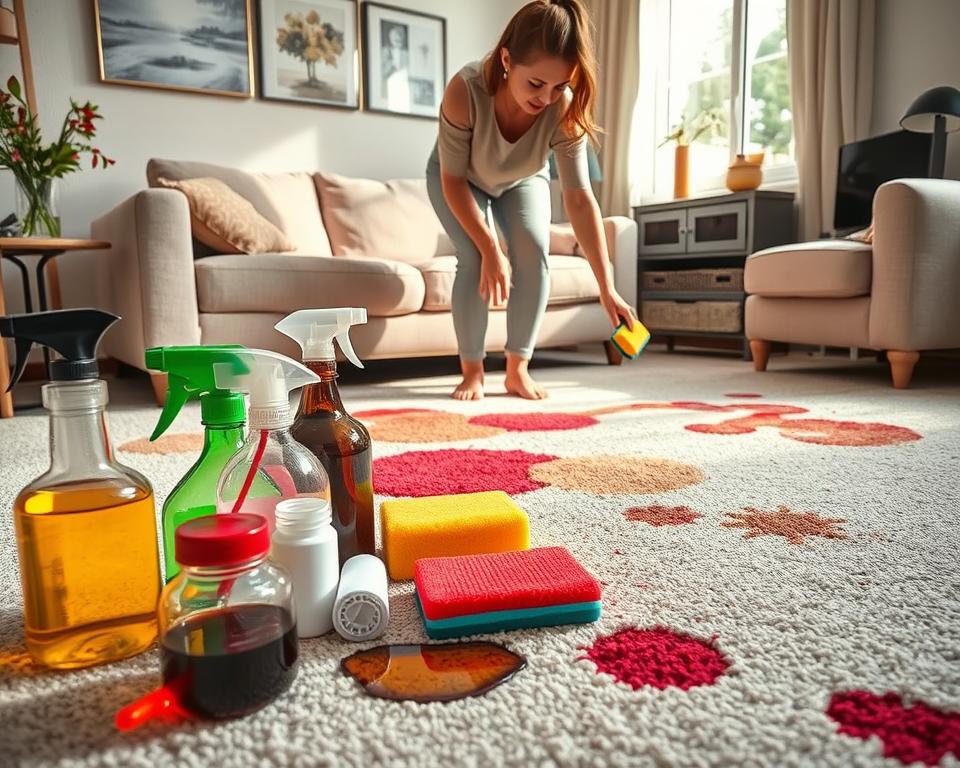
Our approach follows the core cleaning framework. First, always blot up the liquid immediately. Then, apply a specialized treatment.
Finally, rinse and dry the area thoroughly. This consistent process works for all common drink stains.
Removing Red Wine Stains
Acting with speed is critical for red wine. The goal is to dilute and lift the pigment before it sets.
We recommend one of three proven tactics. Your choice can depend on what you have readily available.
| Method | How It Works | Best For |
|---|---|---|
| Soda Water Trick | The carbonation helps lift pigment from fibers. | Fresh spills, light-colored fabrics. |
| White Wine Method | Alcohol in white wine can dilute red wine pigments. | Fresh spills when white wine is on hand. |
| Baking Soda Paste | Paste absorbs and lifts set-in color. | Older, dried stains. |
For a fresh spill, pour club soda or a small amount of white wine directly onto the mark. Blot vigorously with a clean cloth.
Follow immediately with a rinse of plain water. Blot dry.
For a set-in stain, make a thick paste of baking soda and water. Apply it to the affected area and let it dry completely.
Vacuum the dried powder away. This can pull out residual color.
Treating Coffee and Tea Stains
These hot beverages pose a dual threat. The heat can set the stain, and tannins create a tan-colored mark.
Blot up as much liquid as possible right away. Never rub, as this spreads the coffee.
Our recommended solution combines one tablespoon of white vinegar, one tablespoon of mild liquid dish soap, and two cups of warm water.
- Blot the spill with a dry cloth.
- Apply the vinegar solution with a spray bottle or cloth.
- Let it sit for 5-10 minutes to break down the tannins.
- Blot repeatedly with a fresh section of your cloth.
- Rinse the area by blotting with a cloth dampened in cool water.
- Blot dry and allow for complete air drying.
For old, tan-colored stains, you may need to repeat this process twice.
Cleaning Juice and Soft Drink Spills
The primary enemy here is sugar. It leaves a sticky, attracting residue that can also harbor dye.
Our go-to solution cuts through sugar effectively. Mix equal parts white vinegar and warm water in a spray bottle.
Add a few drops of liquid dish soap. Shake gently to combine.
Blot the spill immediately to remove the liquid pool. Apply your vinegar solution liberally to the affected area.
Let it soak for up to 15 minutes for set-in sugary stains. This gives the vinegar time to dissolve the residue.
Blot the area firmly to lift the dissolved sugar and dye. Rinse thoroughly with a water-dampened cloth.
Blot dry. Check for any remaining stickiness once the spot is fully dry.
Eradicating Organic Messes: Blood, Chocolate, and Pet Stains
Accidents involving blood, chocolate, or pets require a specialized approach for complete removal. These organic stains are common in active households.
They bind strongly to fabric fibers. Proteins, oils, and uric acid need targeted techniques. Our methods tackle each challenge effectively.
Always start by checking your fabric’s care code. This ensures your chosen solution is safe. The following protocols work for both sofas and carpets.
Handling Blood Stains on Fabrics
Speed is critical with blood. The protein content sets quickly, especially under heat. Your first action dictates success.
Use only cool water or cold water. Hot water will cook the proteins into the fabric. This creates a permanent mark.
Blot the area with a cloth soaked in cold water. Continue blotting to dilute and lift the stain. Do not scrub the spot.
For fresh blood, a small amount of mild liquid dish soap can break down the proteins. Apply it to the damp area and blot gently.
For set-in stains, an oxygen-based cleaner like OxiClean is powerful. Mix it with cool water as directed.
Apply the solution and let it dwell for 15 minutes. Blot thoroughly and rinse with a clean, water-dampened cloth. Air dry completely.
Dealing with Chocolate and Food Residue
Chocolate is a dual threat. It contains both oily fats and pigmented cocoa. A two-phase attack works best.
First, scrape off any solid chunks with a blunt knife. Be gentle to avoid grinding it in. Then, tackle the oily residue.
Place a few layers of plain paper towel over the stain. Run a warm iron over the paper on a low setting.
The heat melts the fat, transferring it to the paper. Move the towel to a clean section and repeat. This lifts a significant amount.
Next, mix a tablespoon of mild dish soap with two cups of warm water. Apply this degreasing solution to the remaining mark.
Blot repeatedly to lift the dissolved chocolate. Rinse the area well with a damp cloth. Let it air dry.
Addressing Pet Accidents and Odors
Pet messes combine a visible spot with persistent odor. Uric acid crystals are the main culprit. They require enzymatic action.
Blot up all liquid immediately. Press down firmly with an absorbent cloth. Apply an enzyme-based pet stain remover directly.
These cleaners contain bacteria that digest the uric acid. Follow the product’s dwell time instructions. This is a crucial cleaning step.
After the enzyme treatment, neutralize odors. Mix equal parts white vinegar and water in a spray bottle.
Lightly mist the area and blot dry. For a deep clean, make a paste of baking soda and 3% hydrogen peroxide.
Apply the paste, let it dry, and vacuum. Never use ammonia-based cleaners on pet urine. Ammonia smells similar to urine and can attract repeat accidents.
| Organic Mess | Key Challenge | Recommended Solution | Critical Do Not |
|---|---|---|---|
| Blood | Protein sets with heat. | Cold water blotting, then dish soap or oxygen-based cleaner. | Never use hot water or heat to dry. |
| Chocolate | Combination of oil and dye. | Scrape, use iron/paper towel method, then degreasing soap solution. | Avoid rubbing before scraping off bulk. |
| Pet Accidents | Uric acid crystals and odor. | Blot, apply enzyme cleaner, follow with vinegar rinse and baking soda paste. | Never clean with ammonia-based products. |
These methods restore your furnishings from tough organic stains. Acting fast and using the right solution makes all the difference.
Remember to test any new cleaning agent on a hidden spot first. This protects your fabric’s color and texture. Your home can stay fresh and clean.
Battling Grease, Oil, and Ink Stains
Grease, oil, and ink present a unique cleaning challenge that water alone cannot solve. These substances repel typical water-based solutions. They bind deeply to fabric fibers.
Our standard blotting technique still applies first. However, the follow-up method must change. You need specialized solvents or absorbents for a complete fix.
We categorize these as non-water-based stains. Tackling them requires patience and the right tools from your kit. Let’s explore the most effective approaches.
Using Solvents for Ink Stains
Ink marks from pens are a common nuisance. The dye penetrates fibers quickly. A water-based cleaner will often just spread the pigment.
Isopropyl alcohol, commonly called rubbing alcohol, is your best solvent. Its high concentration breaks down the dye effectively. Always test it on a hidden area first.
Dampen a white, lint-free cloth with the alcohol. Gently dab the ink stain. Do not rub in a circular motion.
You will see the dye transfer to your cloth. Use a clean section of the fabric as it gets dirty. This process may require several applications.
For a last-resort alternative, some hairsprays contain alcohol. A small amount on a cloth can work. Nail polish remover is another option.
Be warned: these alternatives carry a higher risk of fabric discoloration. They are not our primary recommendation.
Once the ink is gone, rinse the area. Blot it with a cloth dampened with plain water. This removes any solvent residue.
Let the spot air dry completely. Check your fabric’s care code. This solvent method is suitable for materials with an S or WS code.
Applying Absorbents for Grease Stains
Grease from food or oily lotions creates a slick mark. Water beads up on it and can push the oil deeper. You need a dry approach first.
Baking soda or plain cornstarch are powerful absorbents. They pull the oil out of the fibers from below. This is a safe, chemical-free first step.
Sprinkle a generous layer over the entire greasy stain. Completely cover the affected area. Let the powder sit for at least several hours, or overnight.
The powder will clump or darken as it absorbs the oil. This is a clear sign it’s working. After waiting, vacuum the powder away thoroughly.
For any remaining residue, a degreasing solution helps. Mix a drop of mild liquid dish soap into a cup of warm water.
Apply this solution with a cloth and blot gently. Rinse and dry the spot as usual. This two-phase attack is highly effective.
For furniture with a strict solvent-only (S) code, use a commercial dry-cleaning solvent. Apply it according to the product’s instructions in a well-ventilated space.
| Stain Type | Core Challenge | Recommended Treatment | Fabric Code Note |
|---|---|---|---|
| Ink | Dye-based, spreads with water. | Dab with isopropyl (rubbing alcohol) on a cloth. Rinse after. | Safe for S and WS codes. Test first. |
| Grease/Oil | Hydrophobic, repels water. | Cover with baking soda or cornstarch. Absorb, then vacuum. Follow with soap solution if needed. | For S codes, use a dry solvent after absorbing. |
Patience is essential with these tough stains. Do not rush the process. Repeated, gentle applications yield better results than one aggressive scrub.
Always refer back to your fabric’s cleaning code. It is your ultimate guide for a safe and successful cleaning outcome. With these strategies, even the most stubborn marks can be managed.
Special Care for Delicate Materials: Leather, Suede, and Microfiber
Caring for luxury materials is less about aggressive cleaning and more about preservation. Premium leather, suede, and microfiber elevate your furniture but demand a gentle, informed approach.
Using standard methods can cause permanent damage or discoloration. We advise extra caution with these premium fabrics.
Your goal is to protect the material’s integrity. This section guides you through safe care for your high-end investments.
Cleaning Leather Upholstery
Genuine leather is durable but vulnerable to harsh chemicals and over-wetting. It can crack or lose its finish. Always check the manufacturer’s tag first.
For minor marks, use a dedicated leather cleaner or a very mild solution. Mix a drop of dish soap with a cup of warm water.
Dampen a soft, white cloth in the mix. Wring it out completely. Gently wipe the affected area, then blot dry immediately.
A homemade mix of equal parts white vinegar and olive oil can clean and condition. Apply a tiny amount with a cloth, then buff. This process maintains suppleness.
Never soak the upholstery. Follow any cleaning with a quality leather conditioner. This prevents drying and cracking in our climate.
Maintaining Suede and Microfiber Sofas
These fabrics have specific cleaning codes, often WS or S. They can be deceptively delicate. The “less is more” philosophy is essential here.
For spot cleaning, a light application of rubbing alcohol or diluted white vinegar often works. Always test this solution in a hidden area first.
Use a barely-damp microfiber cloth to dab the stain. Blot, do not rub. Allow the spot to air dry completely away from direct heat.
Once dry, use a soft-bristled brush, like a suede brush or clean toothbrush. Gently brush the nap to restore its texture. This erases any lingering marks from the cleaning process.
For general upkeep, regular vacuuming with an upholstery attachment is key. It prevents ground-in dirt on your couch.
Protecting your premium furniture requires patience. Gentle blotting, minimal moisture, and a mandatory patch test are your best tools.
This cautious approach ensures your luxurious couch and upholstery remain beautiful for years. You safeguard your home’s elegance without guesswork.
When DIY Isn’t Enough: The Role of Professional Cleaning Services
Your trusty toolkit and techniques are powerful, but some challenges demand a higher level of expertise. Knowing when to call a professional is a smart part of home maintenance.
DIY methods have clear limits. Very old, set-in marks are often bonded to the fibers. Large affected areas can be overwhelming to handle consistently.
Delicate fabrics with a Code X label strictly require professional care. Persistent odors that survive home treatment usually signal a deep-seated problem.
Professional cleaners bring industrial-grade advantages. They use truck-mount hot water extraction systems. This equipment removes deep-down dirt and allergens your vacuum cannot reach.
These experts have access to advanced, often green, cleaning solutions. They possess the knowledge to match the right cleaner to your specific fabric. This expertise protects your valuable upholstery and carpet.
For residents in the UAE, Super Dream Pest Control & Cleaning Services UAE stands out as a trusted local expert. They offer more than just spot removal. Their service sanitizes and rejuvenates your furniture, extending its lifespan significantly.
| Situation | DIY Approach | Professional Service | Why Professional Wins |
|---|---|---|---|
| Old, Set-In Stains | Repeated applications may lighten but not fully remove. | Powerful pre-treatment and extraction lift deep-set residues. | Industrial heat and pressure break bonds home tools cannot. |
| Code X Fabrics (Silk, Velvet) | Risk of irreversible damage; only vacuuming is safe. | Specialized techniques and solvents for delicate materials. | Preserves fabric integrity and avoids voiding warranties. |
| Entire Sofa or Large Carpet Area | Inconsistent results, potential for over-wetting. | Uniform, deep cleaning across the entire surface. | Efficient, complete cleaning saves you time and effort. |
| Persistent Pet or Smoke Odors | Surface masking, odor often returns. | Treatment penetrates to neutralize odor sources at their root. | Provides a long-term fresh environment for your home. |
The professional process is thorough and systematic. It typically involves key steps that ensure a superior result.
- Inspection and Pre-treatment: Experts assess the stain and fabrics. They apply targeted solutions to break down the mess.
- Hot Water Extraction: This is the core service. Pressurized hot water injects deep into the carpet or upholstery. It then powerfully extracts dissolved dirt and cleaners.
- Use of Safe Cleaners: Companies like Super Dream use effective, non-toxic products. This is crucial for safety in UAE homes with families and pets.
- Rapid Drying: Powerful equipment removes most moisture. This prevents mildew in our humid climate.
Calling professionals is a cost-effective choice. It saves you time and prevents the frustration of failed DIY attempts. You take care of your investment by ensuring the best possible cleaning.
Make sure you view this service as a smart maintenance strategy. It is not a last resort. For deep cleanliness and stain removal on your couch and carpet, expert help delivers unmatched results.
Conclusion: Maintaining Pristine Sofas and Carpets in the UAE
Maintaining beautiful furnishings in your UAE home is entirely within your reach. This guide has equipped you with the core principles for success.
Remember the pillars: immediate blotting, checking fabric codes, keeping a simple toolkit, and matching the solution to the stain. Regular vacuuming and quick action are your best defense.
You now have the knowledge to confidently handle most common accidents. Take care of your couch and carpet to keep them fresh and clean.
For deep-set issues or delicate upholstery, professional services provide expert cleaning. Companies like Super Dream Pest Control & Cleaning Services UAE offer thorough help.
A pristine living room is an achievable standard. With attention, you can remove stains and preserve your furniture for years.