How to Get Rid of Bed Bugs Fast: Home Remedies + Professional Help
Tiny, blood-feeding insects are a common problem in many households. These nocturnal pests hide in dark corners, mattress seams, and wall cracks during the day. Their presence often goes unnoticed until signs appear.
Bites from these creatures can cause red, itchy spots on the skin. This leads to discomfort and can seriously disrupt a good night’s sleep. The emotional stress of an infestation is very real for residents.
Our guide is designed to tackle this pervasive issue head-on. We provide a clear path forward, combining immediate home remedies with expert pest control options. Knowledge is your first line of defense.
We will start by helping you confirm an active problem. Then, we outline steps for containment and detailed do-it-yourself methods. Finally, we explain when and why to call in the experts for a complete solution.
Learn How to Get Rid of Bed Bugs Fast (Home Remedies + Professional) with our expert guide. Contact Super Dream Pest Control & Cleaning Services UAE today.
Key Takeaways
- Bed bugs are small, nocturnal insects that feed on blood and are experts at hiding.
- Their bites often result in itchy, red marks that can cause significant discomfort and sleep loss.
- Early detection of signs, like small stains or shed skins, is crucial for control.
- This guide offers a dual-strategy approach, from initial DIY steps to professional extermination.
- Understanding the limits of self-treatment can save time and prevent the problem from worsening.
- A combined method often yields the fastest and most reliable results for eradication.
Understanding Your Enemy: Identifying a Bed Bug Infestation
A successful eradication effort begins with precise identification of the insect and its signs. Knowing exactly what to look for turns worry into actionable knowledge. We will guide you through the key visual clues and hiding behaviors.

What Do Bed Bugs Look Like?
Adult bed bugs are small, flat, and oval-shaped. They range from 1 to 7 millimeters long—about the size of an apple seed. Their color is typically a mahogany brown, but they become redder and more swollen after a blood meal.
Young bugs, called nymphs, are smaller and lighter in color, sometimes almost translucent. The eggs are extremely tiny, pearly white, and often found in clusters. Spotting these different life stages confirms an active and breeding population.
Top Signs of Bed Bugs in Your Mattress and Home
These pests are experts at hiding in tight, dark spaces close to where people rest. Prime areas include seams and folds of your mattress, the joints of bed frames, and crevices in nearby furniture. They also tuck into cracks in walls, behind loose wallpaper, and within electrical outlets.
Look for these telltale signs on your bedding and around sleeping areas:
- Rusty or Reddish Stains: These are often dried blood spots left on sheets or mattress tags after bugs are crushed.
- Dark Fecal Spots: Tiny black or brown marks about the size of a pen tip. You’ll find them on fabric seams, mattresses, and walls.
- Shed Skins: As nymphs grow, they molt, leaving behind pale yellow, shell-like casings.
- Live Insects: The most definitive proof. Check mattress seams, box springs, and headboards thoroughly.
- Unpleasant Odor: A heavy infestation may produce a sweet, musty smell.
While not a visual sign, bites on your skin can be a primary clue. They often appear in a line or zigzag pattern and cause intense itching. Remember, bite reactions vary, so use them as a prompt to search for physical evidence.
Early detection is your greatest advantage. A smaller, localized problem is far more manageable than a widespread bug infestation. Catching it early saves significant time, money, and stress.
Act Fast: Your First 24-Hour Response Plan
Swift action is your strongest ally against a spreading problem. The initial day is critical for containment. A focused plan now prevents pests from claiming new territory in your home.

Our goal is to isolate, treat, and remove as many insects and eggs as possible immediately. This three-step protocol forms your essential first strike.
Step 1: Isolate the Bed and Bedding
Start at the epicenter: the sleeping area. Carefully strip all linens, blankets, and pillowcases. Place them directly into a large, sealable plastic bag right next to the bed.
Use a double-bagging method for safety. This prevents any hidden bugsfrom escaping during transport. Seal the inner bag tightly before placing it in a second one.
Next, move the bed frame away from walls and other furniture. Ensure no bedding or linens touch the floor. Creating this “island” helps trap and monitor any remaining bed bugs.
Step 2: Begin High-Heat Laundry
Heat is a proven method to kill bed bugs on fabrics. Wash the bagged bedding and any infested clothes in the hottest water setting possible.
A cycle of at least 30 minutes in hot water is crucial. Follow this with a high-heat dryer cycle for another 30 minutes. This intense heat eliminates adults, nymphs, and bugs eggs.
Once laundry is done, take the inner transport bag directly to an outdoor trash bin. Seal and discard it immediately. Do not bring it back inside.
Step 3: Thorough Vacuuming
Now, attack their hiding spots. Use your vacuum with a crevice tool attachment. Be meticulous and systematic in your approach.
Target every potential harborance site:
- All seams and folds of the mattress and box spring.
- The entire bed frame, especially joints and screw holes.
- Nearby furniture, drawers, and baseboards.
- Cracks in walls, flooring, and electrical outlets.
When finished, immediately remove the vacuum bag or canister. Place the contents into a sealed plastic bag and dispose of it outside. This prevents any captured bed bug from escaping back inside.
These steps form a powerful initial defense. They contain the issue and significantly reduce the population. This work prepares the area for further treatment to get rid of the problem completely.
9 Effective Home Remedies to Try (Before Calling the Pros)
Effective self-treatment relies on a combination of mechanical, thermal, and botanical approaches. These natural remedies target pests at different life stages. They can significantly reduce a population when applied correctly and consistently.
Our list focuses on proven, accessible methods. We prioritize safety and clarity in application. Remember, these remedies work best for early or mild cases.

1. The Power of Steam Cleaning
Steam cleaning is a top non-chemical weapon. The intense, dry heat from a commercial steamer penetrates deep into fabrics and cracks. It can kill bed bugs and their eggs on contact.
You must use a unit that reaches over 118°F (48°C). Move the nozzle slowly over all seams of your mattress, box spring, and upholstered furniture. Pay special attention to edges, folds, and areas where pests are hiding.
This method leaves no toxic residue. It is excellent for treating items that cannot be washed.
2. Applying Diatomaceous Earth
Diatomaceous earth is a fine, food-grade powder. It works mechanically, not chemically. The microscopic sharp edges of the diatomaceous particles cut through the waxy outer layer of bugs.
This causes them to dehydrate and die. Apply a very light, visible dusting to key areas:
- Along baseboards and in wall cracks.
- Around the legs of bed frames and furniture.
- Inside electrical outlet plates (with power off).
Wear a mask and gloves during application. The powder takes several days to a week to work. It remains effective as long as it stays dry.
3. Using Essential Oil Sprays (Tea Tree, Lavender, Peppermint)
Certain essential oils have insecticidal or repellent properties. They offer a botanical component to your diy strategy. Tea tree oil is known for its antiparasitic action.
Lavender and peppermint oils act as strong repellents. Create a simple spray by mixing 20 drops of tea tree, lavender, or peppermint oil with water in a spray bottle.
Lightly mist this solution on bed frames, furniture, and suspected harborages. This may help deter and eliminate bed bugs in limited areas. It is most effective for very mild issues.
4. The Role of Interceptor Traps and Encasements
These are passive but powerful tools. Climb-up interceptor traps are placed under bed and furniture legs. They create a pitfall that traps wandering bed bugs, providing excellent monitoring.
Special zippered mattress and box spring encasements are crucial. They seal any existing bugs inside, where they eventually starve. Encasements also prevent new pests from infiltrating the sleeping area.
Used together, these tools isolate your bed. They turn it into a defensive fortress.
5. Washing and Freezing Non-Washable Items
High heat remains a cornerstone for killing bugs eggs and adults. Wash all possible fabrics in the hottest water setting and dry on high heat for at least 30 minutes.
For delicate items that cannot be washed, freezing is an option. Seal the items in airtight plastic bags. Place them in a freezer set at 0°F (-18°C) for a minimum of eight to ten hours.
A caution: many home freezers do not maintain this low temperature consistently. This can limit the method’s effectiveness for complete eradication.
Heat vs. Cold: Which DIY Method Actually Works?
The debate between using heat or cold for eradication has clear scientific answers. Both are physical methods that avoid chemicals. Their practical success, however, differs greatly.
We will analyze the mechanics behind each approach. Understanding their limits prevents wasted effort. This knowledge guides you toward the most viable thermal tactic.
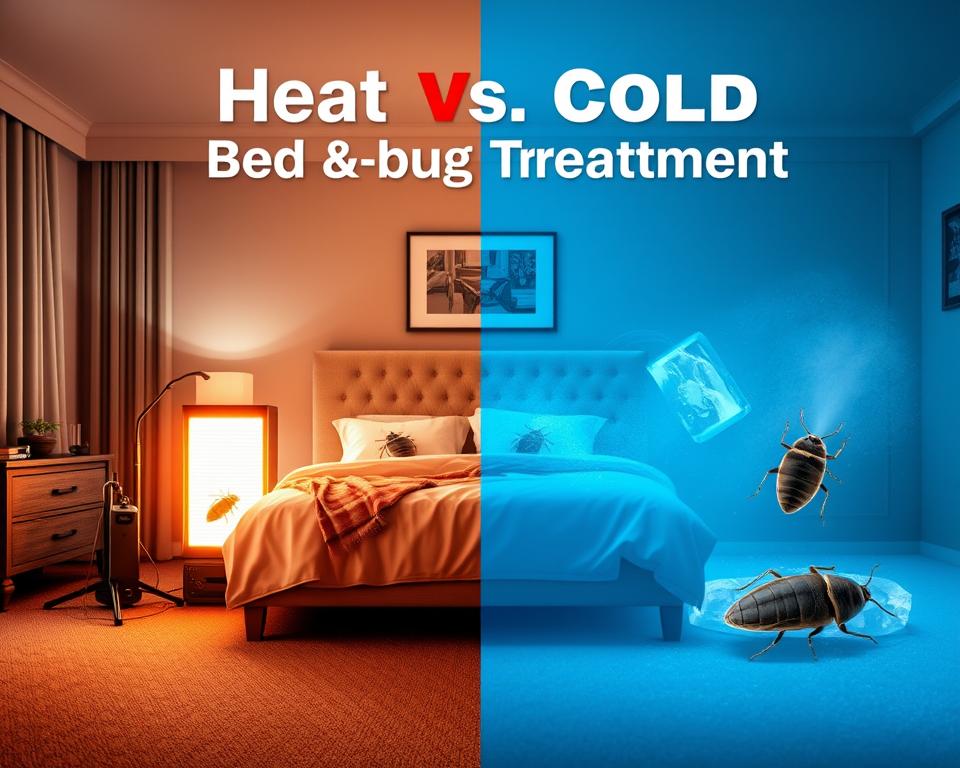
How Heat Kills Bed Bugs and Their Eggs
High temperature is a proven enemy of these pests. It works by denaturing proteins and causing fatal dehydration. The science provides specific thresholds for success.
Research shows adult bed bugs die at 113°F (45°C) sustained for 90 minutes. A higher heat of 118°F (47.8°C) achieves death in just 20 minutes. Their tiny, sticky bugs eggs require similar exposure to be destroyed.
This makes laundering a powerful tool. Washing in hot water followed by a high-heat dryer cycle meets these lethal conditions. Steam cleaning penetrates mattress seams and furniture folds where bugs hide.
“Thermal death is a function of both temperature and exposure time. Consistency is key.”
A major caution involves amateur whole-room heating. Renting heaters seems like a logical step. This DIY attempt often fails.
Pests sense the rising heat and flee to cooler wall voids or adjacent rooms. This can spread the bed bug problem. Professional systems use sensors and fans to ensure even, lethal heat distribution everywhere.
The Limitations of DIY Freezing
Cold treatment relies on sustained, sub-zero temperatures. The goal is to freeze the insects’ cells solid. The required conditions are stringent and often beyond home appliance capabilities.
To kill bed bugs with cold, items must be held at 0°F (-18°C) for several days. Most household freezers are designed for food preservation, not pest eradication. They struggle to maintain this low temperature consistently.
Fluctuations above 0°F allow bugs to survive. The process also takes much longer than heat. The U.S. Environmental Protection Agency notes these significant limitations for DIY freezing.
It may work for small, non-washable objects sealed in airtight bags. Even then, success is not guaranteed. The central challenge is achieving uniform, continuous cold throughout the item.
| Method | Mechanism | Effective DIY Application | Key Risk/Limitation |
|---|---|---|---|
| Heat | Protein denaturation & dehydration | Hot laundry, dryer cycles, steam cleaning | DIY whole-room heat can scatter pests |
| Cold | Cellular freezing | Freezing small, sealed items for 4+ days | Home freezers often lack consistent sub-zero temps |
The table above highlights the core contrast. Heat offers reliable, fast results for fabrics and surfaces. Cold is a slow, uncertain process with strict equipment demands.
For a homeowner, investing effort in high-heat laundry and targeted steaming is wise. These methods align with the proven science. They deliver a tangible reduction in the pest population.
Attempting to freeze an infestation is generally not recommended. The chance of failure is high. Focus your energy on the thermal approach that truly works.
Common Bed Bug Removal Myths You Should Ignore
Separating fact from fiction is crucial when dealing with a stubborn infestation. Well-meaning advice often circulates online and among friends. Many of these popular methods are not just ineffective—they can be dangerous.
We will clear up the confusion surrounding several widespread beliefs. Relying on myths wastes your time and money. It can also allow the problem to grow unchecked.
Our goal is to steer you toward proven, safe strategies. Understanding why these myths fail protects your home and health. Let’s examine the most persistent falsehoods.
Why Rubbing Alcohol and “Bug Bombs” Fail
Many people reach for rubbing alcohol as a quick fix. It can kill bed bugs on contact due to its desiccating effect. However, this approach is fraught with serious problems.
The alcohol evaporates almost instantly upon spray. It does not penetrate deep into mattress seams or wall cracks where pests hide. Eggs are completely unaffected by this surface treatment.
The biggest risk is its extreme flammability. Applying it near electrical outlets, heaters, or sparks creates a severe fire hazard. Using it as a treatment is simply not worth the danger.
Over-the-counter “bug bombs” or total-release foggers are another common mistake. These devices fill a room with a chemical mist. The logic seems sound, but the execution fails completely.
The fog cannot reach the insects’ primary harborage sites. It settles on open surfaces, missing the bugs tucked away in voids. Worse, the disturbance can flush pests deeper into walls or adjacent rooms.
This often spreads the infestation throughout the home. These products also pose health risks from inhalation and residue. For true pest control, they are an ineffective tool.
The Truth About Dryer Sheets, Baking Soda, and Mothballs
Everyday household items are often touted as miracle cures. Let’s examine three of the most persistent claims. Science does not support their use against these resilient insects.
Dryer Sheets
Some believe that placing dryer sheets under mattresses or in drawers repels pests. The fresh scent might create a psychological sense of action. Unfortunately, no scientific study proves they repel or kill bed bugs.
They may help mask odors temporarily. They do not address an active bug population. Relying on them offers a false sense of security.
Baking Soda
The myth claims that baking soda dehydrates insects by damaging their exoskeleton. This substance is excellent for odor absorption and cleaning. It is not, however, a proven insecticide.
A bed bug’s exoskeleton is too tough for baking soda to pierce. There is no evidence it causes fatal dehydration. Sprinkling it around is an ineffective diy step.
Mothballs
Mothballs contain chemicals like naphthalene or paradichlorobenzene. They are designed to kill moth larvae in sealed, airtight storage spaces. Using them in open living areas is a different matter.
Their fumes are not potent enough to eliminate a bed bug infestation. The required concentration for effectiveness is unsafe for humans and pets. Inhaling these chemicals poses significant health risks.
Stick to proven remedies and professional solutions. Avoid these myths to save yourself frustration. Effective action is based on evidence, not folklore.
When Home Remedies Aren’t Enough: Signs You Need a Pro
There comes a moment in every battle where strategy must shift from defense to a decisive offensive. Recognizing this tipping point is crucial for true victory. Your diligent efforts have value, but they have limits.
Knowing when to call for expert reinforcement is a sign of smart strategy, not defeat. We will outline the clear signals that your situation requires advanced pest control. This decision saves time, money, and your peace of mind.
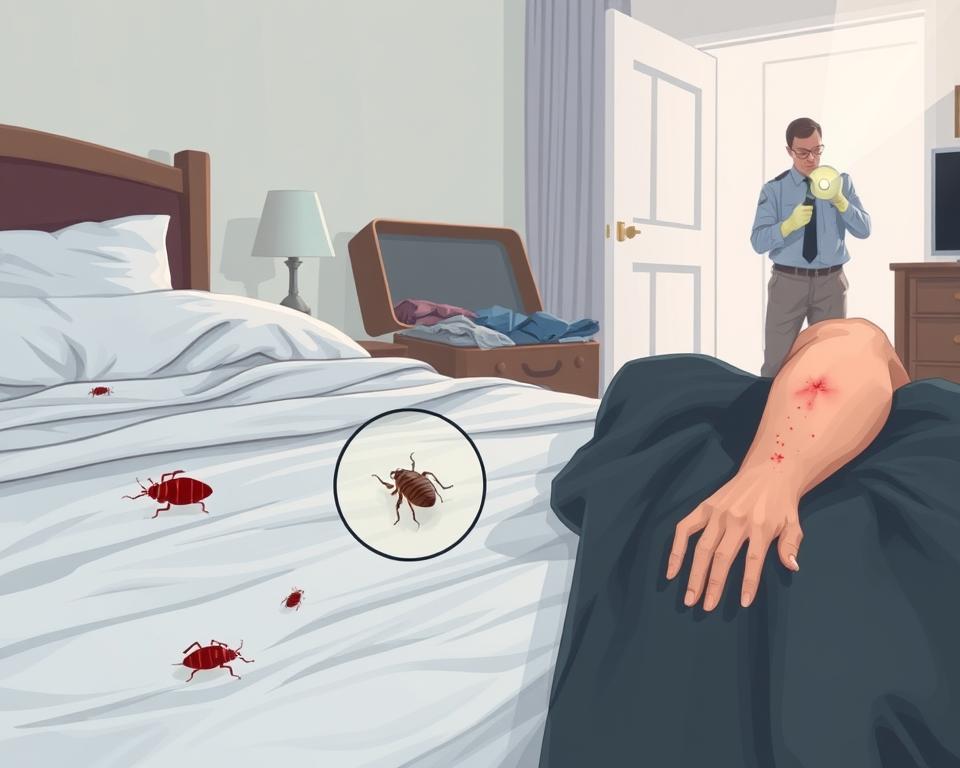
You’ve Tried Everything and They Keep Coming Back
A frustrating cycle often develops. You vacuum, steam, and apply powders with precision. The activity seems to stop, only for signs to reappear days or weeks later.
This pattern is a definitive red flag. It indicates a resilient, established population that your methods cannot fully eradicate. Look for these specific indicators of a failing DIY approach:
- Continued Sightings: You spot live bed bugs or nymphs after multiple treatment rounds.
- New Bites Persist: Household members experience itchy welts despite your repeated cleaning and treatment efforts.
- Egg Clusters Remain: You find pearly white bugs eggs in seams and cracks, proving the breeding cycle continues.
When bugs keep coming back, it means the core of the infestation remains untouched. They are likely hiding in sanctuaries beyond your reach. Continued solo attempts often just scatter the problem further.
The Infestation is Widespread or in Hard-to-Reach Areas
Some problems simply outgrow the scope of home remedies. What began in a mattress seam can quickly become a whole-home issue. The scale and location become the primary obstacles.
A widespread bed bug infestation shows clear signs. You find evidence in the living room sofa, dining chairs, or multiple bedrooms. This scale overwhelms consumer-grade products and spot-treatment methods.
The most challenging bug infestation involves inaccessible harborages. These are zones where do-it-yourself tools cannot deliver a lethal dose of heat or product.
- Inside Wall Voids: Pests retreat into the spaces between your walls, safe from sprays and powders.
- Behind Baseboards and Moldings: These common hiding spots are sealed off from direct contact.
- Deep Within Complex Furniture: Upholstered pieces with layers of padding and framing provide perfect refuge.
- In Electrical Outlets and Appliances: These areas pose a serious safety risk for amateur treatment.
“A bed bug problem in the walls is a different beast than one in a mattress. It requires a different arsenal.”
The emotional toll is also a valid reason to seek professional help. Constant vigilance, sleeplessness, and stress take a real toll on your well-being.
Choosing expert control is a strategic decision for complete eradication. It brings a definitive end to the cycle and restores your home’s comfort. This step is your path back to peace of mind.
Your Fast-Action Plan for Elimination
Your fastest path to a bug-free home merges immediate action with proven tactics. We combine the most effective steps into a streamlined protocol. This plan is designed for speed and impact.
Follow these steps in order for the best results. Diligence at each stage is non-negotiable. Half-measures will only prolong the struggle.
Begin by stripping all bedding and sealing it in plastic bags. Move the bed frame away from walls and furniture. This creates a clean zone and prevents pests from scattering.
- Apply Lethal Heat
Wash and dry all fabrics on the hottest settings possible. Use a steam cleaner on mattresses, box springs, and upholstery. Heat is your most reliable weapon against all life stages.
- Vacuum Thoroughly
Use a vacuum with a crevice tool on every seam, crack, and potential harborance. Focus on the bed frame, baseboards, and furniture. Dispose of the vacuum bag outside immediately.
- Deploy Desiccant Dust
Apply a light dusting of food-grade diatomaceous earth. Target areas like baseboards, bed leg perimeters, and wall voids. This powder works slowly but surely to dehydrate insects.
- Seal the Mattress
Encase both mattress and box spring in special, bug-proof covers. These zippered encasements trap any remaining pests inside. They also prevent future infiltration of your sleeping area.
This five-step sequence attacks the problem from multiple angles. It leverages mechanical removal, thermal death, and passive control. Executed fully, it can suppress a moderate issue.
Top-Performing Home Tactics for Quick Results
Certain remedies stand out for their speed and efficacy. Prioritize these methods in your diy campaign. They yield the most noticeable reduction in population.
- Steam Cleaning: Delivers instant, chemical-free death to bed bugs and eggs on contact.
- Diatomaceous Earth: Creates a long-lasting barrier that physically destroys pests over days.
- Mattress Encasements: Offer immediate isolation and ongoing protection for your bed.
Consistency turns these tools into a powerful system. One treatment is rarely enough. Reapply steam and monitor traps weekly to gauge progress.
“Thoroughness beats frequency every time. A perfect single treatment is better than three rushed ones.”
When to Escalate to Expert Assistance
Self-treatment has clear boundaries. Recognizing them saves you from a cycle of frustration. If you see these signs, it’s time for professional help.
Pests reappear consistently after your diligent efforts. You find evidence spreading to multiple rooms or deep into walls. The emotional strain becomes overwhelming.
Expert pest control brings industrial-grade tools and strategic certainty. They can kill bed bugs hiding in places your home methods cannot reach. This is the fastest route to guaranteed rid bed results for a severe infestation.
Your combined strategy starts with aggressive self-action. It culminates in knowing when to call in reinforcements. This pragmatic approach is your blueprint for a swift victory.
How Professional Pest Control Eradicates Bed Bugs for Good
Licensed technicians employ a systematic approach designed for complete and lasting elimination. This process moves beyond surface-level fixes. It targets the core of the problem with industrial tools and proven strategies.
Experts combine multiple methods to ensure no pest survives. Their goal is not just to kill bed bugs but to prevent their return. This comprehensive effort provides the certainty that diy efforts often lack.
We will explore the three pillars of expert pest control. These are commercial heat application, advanced chemical solutions, and integrated management. Understanding these pillars shows why professional intervention succeeds where others fail.
Industrial-Grade Heat and Chemical Treatments
Commercial heat treatment is a cornerstone of expert control. Specialists use powerful heaters and fans to raise the temperature of entire rooms. They maintain a lethal range above 120°F (49°C) for several hours.
This sustained heat penetrates deep into walls, furniture, and mattress interiors. It reaches areas that sprays and powders cannot. Every life stage, from adult to eggs, is eliminated.
The chemical arsenal available to technicians is far more potent. They use EPA-registered products with different modes of action. This prevents bugs from developing resistance.
- Pyrethrins & Pyrethroids: Fast-acting insecticides that disrupt the nervous system.
- Desiccants: Dusts like diatomaceous earth and boric acid that destroy the insect’s protective coating.
- Insect Growth Regulators (IGRs): Chemicals that prevent nymphs from maturing and reproducing.
- Neonicotinoids & Pyrroles: Advanced compounds that target specific biological pathways.
Technicians apply these chemicals strategically. They focus on harborages and potential travel routes. This precision maximizes effectiveness while minimizing exposure.
Integrated Pest Management (IPM) Strategies
Integrated Pest Management is a holistic philosophy. It does not rely on a single silver bullet. Instead, IPM combines inspection, monitoring, and multiple control tactics.
The process begins with a detailed assessment. Experts map the extent of the bed bug infestation. They identify all harborages and activity zones.
Then, they implement a customized plan. This plan often mixes non-chemical and chemical tools. The sequence is designed for maximum impact.
“IPM is about smart strategy, not just powerful products. It’s a calculated campaign against the pest’s biology and behavior.”
Key components of a professional IPM plan include:
- Continuous Monitoring: Using interceptor traps and visual checks to track pest movement.
- Habitat Modification: Sealing cracks, reducing clutter, and using mattress encasements.
- Targeted Chemical Application: Placing insecticides only where needed, based on monitoring data.
- Client Education: Informing residents on how to avoid re-introduction.
This multi-pronged strategy addresses the entire lifecycle. It also adapts to the specific conditions of your home. The result is a robust, long-term solution.
The Importance of Follow-Up Inspections
The final treatment visit is rarely the end of the service. Post-treatment inspections are a critical step for guaranteed success. They confirm that the infestation is fully resolved.
Professionals schedule return visits, typically 10 to 14 days after the initial service. They thoroughly re-inspect previously active areas. Technicians look for any signs of surviving bed bugs or new hatchlings.
These follow-ups serve two vital purposes. They verify the effectiveness of the treatment. They also catch any newly hatched eggs that were missed in the first round.
Most reputable companies include at least one follow-up in their service plan. This commitment ensures their work is complete. It provides homeowners with documented proof of eradication.
Without this step, a few remaining bugs could restart the cycle. Follow-up monitoring closes that door permanently. It transforms a one-time treatment into a lasting victory.
| Professional Approach | DIY Approach | Outcome Difference |
|---|---|---|
| Whole-room heat & targeted chemicals | Spot treatment with consumer products | Guaranteed penetration vs. surface-only effect |
| IPM with inspection & monitoring | Reactive, single-method attempts | Strategic, adaptive plan vs. scattered efforts |
| Included follow-up inspections | Self-checking with uncertain accuracy | Verified eradication vs. hopeful guessing |
Choosing expert pest control brings depth, safety, and certainty. It is the definitive path to kill bed pests for good. This investment restores your home’s comfort and your peace of mind.
Why Choose Super Dream Pest Control & Cleaning Services UAE
Super Dream Pest Control & Cleaning Services UAE stands as a regional leader in delivering guaranteed pest eradication results. Our mission is to provide a definitive, lasting solution when you need to get rid of an infestation. We combine advanced technology with deep expertise.
Our team consists of licensed and highly experienced technicians. Each member is trained in the latest protocols for bed bug elimination. They follow strict safety standards to protect your family and property.
We begin every project with a comprehensive, no-obligation inspection. This in-depth analysis maps the full extent of the problem. It allows us to see where bugs are hiding in walls, furniture, and other hard-to-reach areas.
Based on this assessment, we create a customized treatment plan. We select the most effective method for your specific situation. Our arsenal includes industrial-grade heat treatment, targeted chemical applications, and cryogenic freezing options.
Crucial follow-up visits are a standard part of our service. We return to monitor and ensure the treatment was completely successful. This step is vital to kill bed pests at every life stage and prevent recurrence.
Your safety and our environmental responsibility are paramount. We use only approved products and techniques. Our methods are designed to be effective against the pest while being safe for residents, pets, and the environment.
The value we offer is peace of mind and a guaranteed solution. Investing in expert professional help stops the cycle of repeated, unsuccessful DIY attempts. It is the most reliable way to achieve a rid bed home for good.
Choosing the right partner makes a significant difference in outcome. The table below highlights the key contrasts between a typical do-it-yourself approach and our professional service.
| Aspect | DIY Attempts | Super Dream Professional Service |
|---|---|---|
| Inspection & Analysis | Limited visual check, often misses hidden harborages. | Thorough inspection with tools to find all activity zones and life stages. |
| Treatment Methods | Consumer-grade sprays, steamers, or powders with limited reach. | Industrial heat units, professional-grade insecticides, and integrated strategies. |
| Scope of Work | Often focuses on visible areas, missing wall voids and complex furniture. | Comprehensive treatment of the entire affected area, including deep harborages. |
| Safety & Certification | Risk of misuse, fire hazards, or exposure to unapproved substances. | Licensed technicians using approved, targeted applications for maximum safety. |
| Result Guarantee | Uncertain outcome, often leading to recurring problems. | Guaranteed eradication with included follow-up inspections for verification. |
| Long-Term Value | Repeated product purchases and ongoing stress with no resolution. | Single investment for a complete solution and long-term prevention advice. |
If you are in the UAE and facing a persistent bug problem, do not struggle alone. Contact Super Dream Pest Control & Cleaning Services today for a consultation. Let our experts provide the strategic control needed to win the battle against bed bugs and restore your comfort.
Conclusion: Winning the War Against Bed Bugs
Victory over these persistent pests is achievable with a clear, two-part strategy. We’ve outlined the critical steps: swift identification, immediate isolation, and effective home tactics.
Specific remedies like steam and diatomaceous earth may help in early stages. However, self-treatment has clear limits for a widespread infestation.
For complete and lasting control, expert pest control is the most reliable solution. Companies like Super Dream Pest Control & Cleaning Services UAE use advanced methods to kill bed bugs hiding in deep harborages.
With the right knowledge and resources, you can win this war. Residents in the UAE should reach out to Super Dream for expert assistance and reclaim their peace of mind.