Fly-Borne Illnesses in the UAE: What You Need to Know
Flies are more than just a nuisance—they pose serious health risks, especially in the UAE’s warm climate. With over 65 infectious diseases transmitted by these pests globally, understanding their impact is crucial for public health.
In the UAE, the hot and humid weather creates ideal conditions for flies to breed. This increases the risk of diseases spreading rapidly. From food contamination to direct transmission, flies can carry harmful pathogens that affect our well-being.
That’s where Super Dream Pest Control & Cleaning Services UAE steps in. As a trusted local partner, they offer effective solutions to keep your home or business safe from these pests. Their expertise ensures a cleaner, healthier environment for everyone.
By understanding how flies transmit diseases and recognizing symptoms early, we can take proactive steps to protect ourselves. Stay tuned for actionable prevention strategies tailored to UAE households.
Key Takeaways
- Flies transmit over 65 infectious diseases globally.
- The UAE’s climate increases fly breeding risks.
- Super Dream Pest Control offers reliable prevention solutions.
- Understanding transmission methods is key to staying healthy.
- Proactive measures can reduce the risk of fly-borne diseases.
Introduction to Fly-Borne Illnesses
Flies are tiny but dangerous carriers of over 100 pathogens that threaten human health. These insects spread diseases through mechanical transmission, picking up harmful bacteria on their feet and mouths and transferring them to food, surfaces, and humans. Unlike biological transmission, which involves pathogens multiplying inside the insect, mechanical transmission is direct and rapid.
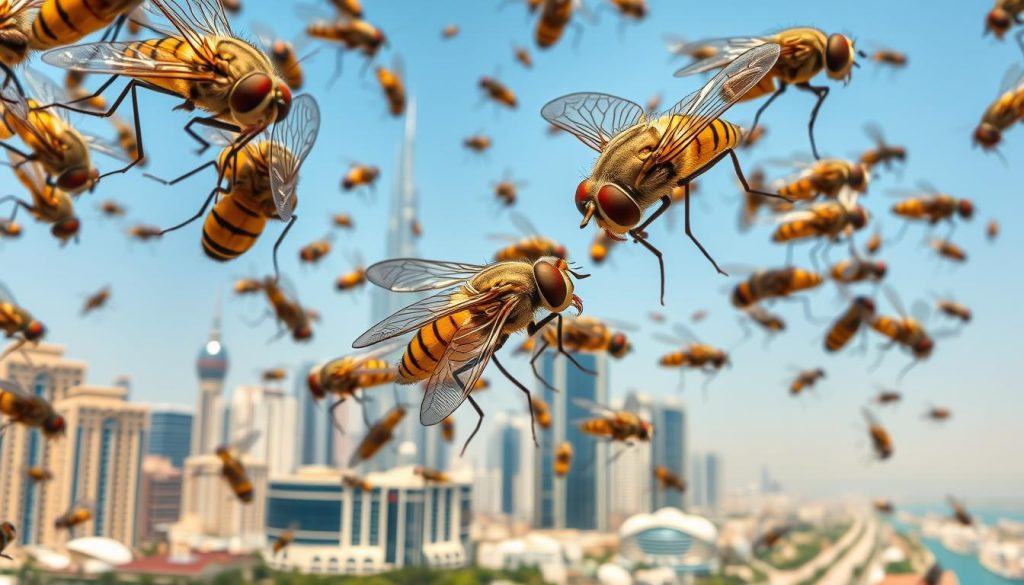
Globally, flies are linked to millions of health cases annually. In the UAE, the combination of urban density and a warm climate creates ideal conditions for flies to thrive. This increases the risk of diseases spreading quickly, especially in crowded areas.
Many people underestimate the dangers posed by flies, assuming they are merely annoying. However, their ability to carry and spread pathogens makes them a significant health concern. Vulnerable populations, such as children and the elderly, are particularly at risk due to weaker immune systems.
Understanding how flies transmit diseases is the first step in protecting ourselves. By recognizing the risks and taking preventive measures, we can reduce the impact of these tiny but harmful insects on our health.
Why Flies Are a Problem in the UAE
In the UAE, flies are a persistent issue due to the region’s unique environmental conditions. The warm climate, with temperatures often reaching 99°F, creates an ideal breeding ground for these pests. Combined with high humidity, flies multiply rapidly, posing significant challenges for public health.

Flies as Disease Carriers
Flies are more than just annoying—they are dangerous carriers of pathogens. They can transmit over 65 infectious diseases globally, making them a serious health concern. In the UAE, their ability to spread diseases is amplified by the urban density and warm weather.
These pests pick up harmful bacteria on their feet and mouths, transferring them to food, surfaces, and even humans. This mechanical transmission happens quickly, especially in crowded areas like markets and food establishments.
Common Breeding Grounds in the UAE
Flies thrive in specific areas where conditions are perfect for breeding. In the UAE, common hotspots include construction sites, markets, and waste disposal areas. These places provide ample food and water sources, allowing flies to lay up to 900 eggs per batch.
Here’s a quick look at the fly lifecycle in the UAE’s climate:
| Stage | Duration | Conditions |
|---|---|---|
| Egg | 7.5 hours | 99°F, high humidity |
| Larva | 3-5 days | Moist, organic material |
| Pupa | 3-6 days | Protected areas |
| Adult | 15-30 days | Warm, humid environments |
Dubai’s waste management challenges further exacerbate the issue. Improper disposal of waste in certain areas creates breeding grounds for flies, increasing the risk of disease spread. Food establishments also play a role, as they often attract flies seeking food and water.
“The link between humidity and fly population spikes is undeniable. Addressing these breeding grounds is crucial for public health.”
By understanding where flies breed and how they spread diseases, we can take proactive steps to reduce their impact. Effective waste management and cleanliness are key to keeping these pests at bay.
Top Fly-Borne Diseases to Watch Out For
Flies are silent carriers of harmful pathogens that can disrupt daily life. In the UAE, their ability to spread diseases is a growing concern. From food contamination to direct contact, these pests can cause severe health issues. Let’s explore the most common diseases caused by flies and how to recognize their symptoms.
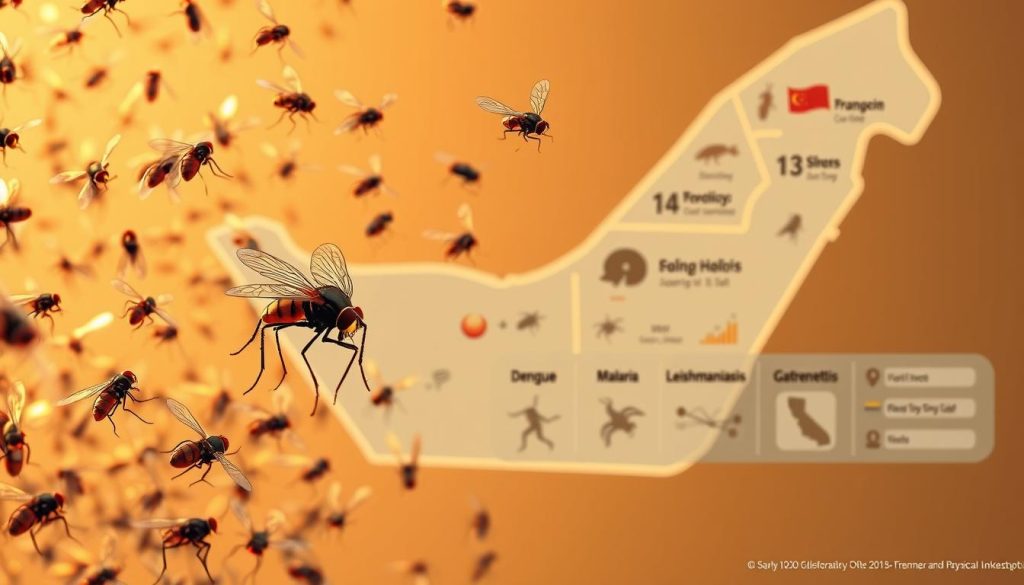
Cholera and Typhoid Fever
Cholera and typhoid fever are two of the most dangerous diseases caused by flies. Cholera leads to rapid dehydration, while typhoid fever is marked by prolonged high fever. Both are linked to contaminated food and water, making them prevalent in areas with poor sanitation.
In the UAE, hospitals have reported cases of food poisoning tied to these diseases. Recognizing early symptoms like diarrhea, vomiting, and abdominal pain is crucial for timely treatment.
Dysentery and Salmonella
Dysentery and salmonella are often spread through fecal contamination. Flies pick up bacteria from waste and transfer them to food or surfaces. Salmonella, in particular, can survive on surfaces for hours, increasing the risk of infection.
Children are especially vulnerable, as contaminated baby formula can lead to severe health issues. Symptoms include fever, stomach cramps, and bloody stools. Proper hygiene and food safety are essential to prevent these diseases.
Eye Infections and Viral Diseases
Flies are also known to transmit eye infections like trachoma. This condition, caused by bacteria, can lead to blindness if untreated. Flies are attracted to the eyes, making them a direct vector for transmission.
Emerging threats include antibiotic-resistant strains of bacteria, which complicate treatment. Protecting your skin from fly bites and maintaining cleanliness can reduce the risk of these infections.
- Cholera: Rapid dehydration, diarrhea, and vomiting.
- Typhoid Fever: Prolonged fever, weakness, and abdominal pain.
- Dysentery: Bloody stools, fever, and stomach cramps.
- Salmonella: Fever, diarrhea, and nausea.
- Eye Infections: Redness, irritation, and vision problems.
How Fly-Borne Illnesses Spread
Understanding how diseases spread through flies is essential for safeguarding public health. These pests are not just annoying—they are efficient carriers of harmful pathogens. Their ability to contaminate our food and water sources makes them a significant threat.

Mechanical Transmission
Flies spread diseases primarily through mechanical transmission. A single fly can carry up to 33 million bacteria on its body. When they land on food or surfaces, they transfer these pathogens through their feet and saliva.
One of the most alarming processes is regurgitation. Flies often vomit digestive enzymes onto food to liquefy it before consumption. This process leaves behind harmful bacteria, contaminating our meals.
Fecal Contamination
Fecal-oral transmission is another major pathway. Flies pick up bacteria from waste and transfer them to food or water. In urban environments like the UAE, this is a common issue, especially in areas with poor sanitation.
Outdoor dining and street food are particularly vulnerable. A study in Sharjah found high levels of pathogens on market surfaces, highlighting the risks of contamination in public spaces.
Pet waste in residential areas also contributes to the problem. Flies are attracted to these sources, increasing the risk of disease spread in homes.
“Flies are more than just pests—they are silent vectors of dangerous diseases.”
By understanding these transmission methods, we can take steps to protect ourselves. Proper hygiene and waste management are key to reducing the risks posed by flies.
The Impact of Fly-Borne Illnesses in the UAE
The presence of flies in the UAE goes beyond annoyance—it directly impacts health, economy, and daily life. These pests are not just a nuisance; they carry serious risks that affect families, businesses, and communities. Understanding their broader impact is essential for effective management and prevention.
Health Risks for Families
Families, especially those with young children, are particularly vulnerable to fly-borne diseases. These pests can cause stomach infections, eye irritations, and other health issues. Children, with their weaker immune systems, are at higher risk of severe complications.
School absenteeism rates often spike during fly season, disrupting education and daily routines. Parents face additional stress as they juggle work and caregiving responsibilities. Ensuring a clean environment is crucial to protect families from these health threats.
Economic and Social Consequences
The economic impact of fly-borne diseases is significant. According to WHO, the MENA region loses $2.1 billion annually due to vector diseases. In the UAE, this translates to losses in tourism, healthcare, and labor productivity.
Coastal areas, popular with tourists, face challenges as flies deter visitors. Outdoor industries, such as construction and agriculture, also suffer from reduced worker efficiency. Additionally, food businesses often face social stigma, impacting their reputation and revenue.
Effective management strategies, including waste control and pest prevention, can mitigate these issues. By addressing the root causes, we can create a healthier and more prosperous community.
“The economic and social costs of fly-borne diseases are immense. Proactive measures are essential to safeguard public health and economic stability.”
By understanding the full impact of these pests, we can take collective action to reduce their effects. From protecting our children to supporting local businesses, every effort counts in building a safer environment.
Preventing Fly-Borne Illnesses: Tips for Your Home
Protecting your home from flies is essential for maintaining a healthy living environment. By taking proactive measures, you can significantly reduce the risk of health issues caused by these pests. Let’s explore practical steps to keep your space fly-free.
Maintaining Cleanliness
Cleanliness is the first line of defense against flies. Start with a step-by-step kitchen sanitation protocol. Wipe down countertops, clean spills immediately, and store food in sealed containers. Regularly empty trash bins and clean pet feeding areas to eliminate attractants.
Flies are drawn to moisture, so fix leaky faucets and ensure proper drainage. Super Dream’s residential audit checklist can help identify areas that need attention. A clean home is less inviting to these pests.
Proper Waste Management
Effective waste control is crucial in preventing fly infestations. In high-rise buildings, implement waste segregation strategies. Use covered bins for organic waste and ensure regular disposal. Avoid leaving trash bags outside for extended periods.
For outdoor spaces, consider composting in sealed containers. This reduces the risk of attracting flies while recycling organic waste. Proper waste management not only keeps flies away but also promotes a cleaner environment.
Using Fly Traps and Insecticides
Fly traps and insecticides are effective tools for control. UV traps are particularly useful when placed in strategic locations like kitchens and entryways. These devices attract and eliminate flies without harmful chemicals.
For severe infestations, use UAE-approved insecticides like pyrethroid-based products. These have a residual duration of up to 90 days, providing long-term protection. Always follow application guidelines to ensure safety and effectiveness.
By combining these measures, you can create a fly-free home and protect your family from health risks. Prevention is always better than cure.
How Super Dream Pest Control & Cleaning Services Can Help
Effective pest control is vital for maintaining a healthy environment in the UAE. Super Dream Pest Control & Cleaning Services specializes in providing reliable solutions tailored to the region’s unique challenges. With their expertise, you can ensure your home or business remains safe and pest-free.
Professional Pest Control Solutions
Super Dream offers advanced pest management services designed to tackle infestations effectively. Their team uses WHO-approved insecticides and climate-adapted treatment plans to address local pest issues. From residential areas to commercial spaces, they provide comprehensive solutions to keep pests at bay.
- 24/7 emergency disinfection services for immediate relief.
- IoT-enabled infestation monitoring for proactive control.
- Commercial kitchen certification programs to ensure hygiene standards.
Tailored Cleaning Services for the UAE
In addition to pest control, Super Dream offers specialized cleaning services. Their team understands the UAE’s environmental conditions and tailors their approach to meet local needs. Whether it’s a school, hospital, or residential property, they ensure a clean and safe environment.
“Super Dream’s services are designed to protect public health and enhance quality of life.”
By combining professional pest management and cleaning solutions, Super Dream helps create healthier spaces for everyone. Their commitment to excellence makes them a trusted partner in the UAE.
Conclusion
Taking action against flies is essential for safeguarding our health in the UAE. By maintaining cleanliness, managing waste effectively, and using preventive tools like traps, we can reduce the risk of diseases.
The UAE government has launched initiatives to combat pest-related challenges, including seasonal awareness campaigns. With the 2024 forecast predicting higher fly activity, now is the time to act.
At Super Dream Pest Control & Cleaning Services, we are committed to protecting communities through professional solutions. Don’t wait—make sure your home or business is safe today. Contact us for reliable pest control services tailored to the UAE’s unique needs.