Post-Pest Control Cleaning Guide: What You Must Do
After a professional pest control treatment, your home is on its way to being pest-free. However, the work isn’t quite finished. Proper cleaning is a critical next step for safety and to ensure the treatment’s full effectiveness.
Many homeowners face a common dilemma. They wonder when it’s safe to clean and how to do it without washing away the protective chemicals. Residual substances and deceased pests require careful handling.
Following the specific instructions on the pesticide product label is non-negotiable. In the UAE, trusted local experts like Super Dream Pest Control & Cleaning Services UAE emphasize this protocol. Their knowledge ensures the process is done correctly.
Need help after treatment? Follow our Post-Pest Control Cleaning Guide – What You Must Do to keep your home safe. Super Dream Pest Control & Cleaning Services UAE.
This guide provides a clear, step-by-step approach. We aim to empower you with the knowledge to reclaim your living space confidently. Our goal is a clean, safe, and permanently pest-free environment for your family.
Key Takeaways
- Cleaning after a pest control service is essential for safety and treatment success.
- Always follow the specific instructions on the pesticide product label first.
- Timing is crucial; cleaning too soon can reduce the treatment’s effectiveness.
- Residual chemicals and dead pests need careful and proper disposal.
- This process is different from regular cleaning and requires a specific protocol.
- Extra safety measures are vital in homes with children and pets.
- Local professionals can provide valuable guidance for your specific situation.
Introduction: Why Post-Pest Control Cleaning Matters
While pest control targets live infestations, the cleaning that follows addresses the lingering hazards they leave behind. This step is a non-negotiable part of safeguarding your family’s health. It goes far beyond simple aesthetics.
Our focus is on hygiene and safety. Residual pesticides, dead insects, droppings, and allergens pose real risks if not properly handled. These elements can trigger allergic reactions or spread illness.
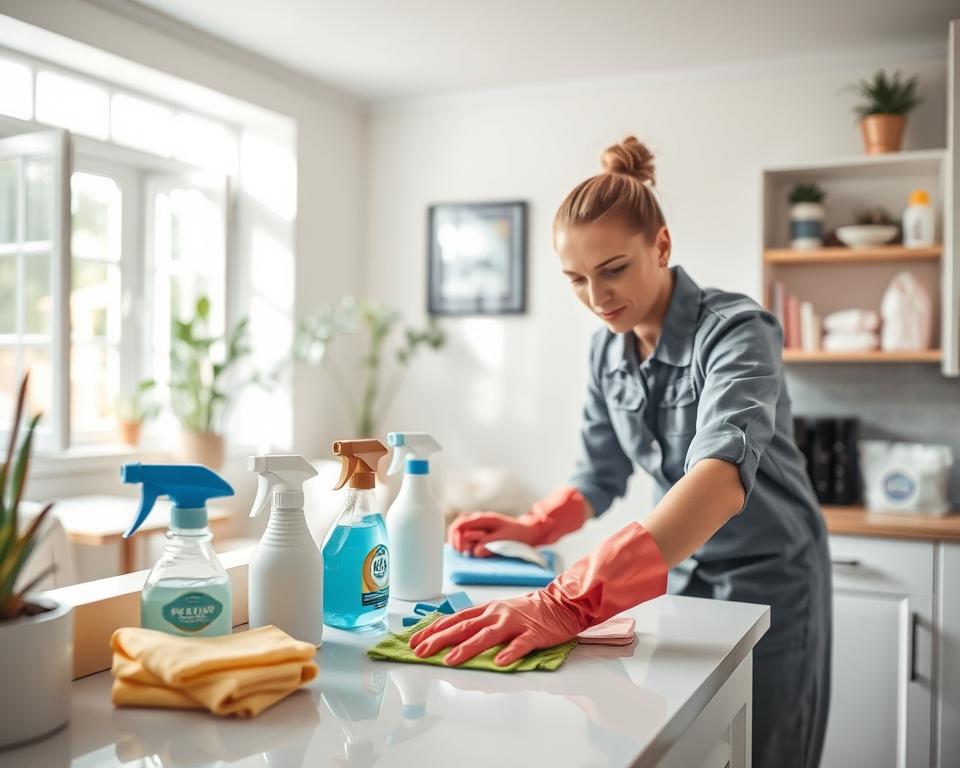
The process ensures chemical residues on food-contact surfaces are eliminated. This prevents accidental ingestion by your loved ones. It’s a fundamental layer of protection for your household.
In the UAE’s warm climate, pest activity is a constant challenge. Thorough cleanup after a treatment becomes even more crucial here. It helps maintain a barrier against rapid reinfestation.
Proper cleanup also extends the effectiveness of the initial service. By removing attractants like food debris and nesting materials, you help get rid of reasons for new pests to enter. This protects your property investment.
Neglecting this step can lead to swift reinfestation. That wastes the initial treatment’s investment and effort. Your house deserves lasting results.
We frame this cleanup as the final, essential phase of a complete pest management strategy. It’s about defending your most valuable asset—your home—and everyone inside it. Your children and pets are especially vulnerable.
Our perspective is proactive. View this task as the closing chapter that ensures a safe, healthy environment. The following sections provide the precise knowledge needed to execute it correctly.
Understanding What Happens After Pest Control Treatment
Once the technicians leave, your home enters a dynamic period where the treatment is actively eliminating pests. The applied pesticides need time to settle, dry, and work effectively. This process can take from several hours to a few days.
It is completely normal to find deceased pests in the open during this phase. This visibility is actually a positive sign. It indicates the control treatment is taking effect and driving them out of their hiding spots.
You might notice increased pest activity initially. Experts often call this the “dying off” period. Do not be alarmed by this temporary surge. The pest control treatment has disturbed the colony, causing this last, visible struggle.
The chemicals form a protective barrier or residue on surfaces. This residue continues to work long after the initial application. Understanding this helps you avoid accidentally disturbing these treated areas.
Patience after a service is not passive; it’s an active part of ensuring the chemicals fulfill their purpose.
Different treatments leave different residues. Sprays, gels, and dusts each require a unique post-control approach. Your technician should inform you about the specific products used in your house.
Your home is in a transitional state. Active ingredients are still at work on walls, along baseboards, and near windows doors. Rushing to clean pest residues or wipe down every area can neutralize the long-term effectiveness.
A mild chemical odor may linger for a short while. The duration depends on the specific pesticides and the ventilation in each room. This smell typically dissipates as the products dry completely.
This foundational knowledge empowers you to plan your schedule. You can respect the necessary waiting periods before tackling each zone. Proper timing is crucial for a successful outcome.
Remember, the goal is a lasting solution. Allowing the treatment its full working time is an investment in a pest-free future. This understanding prepares you for the specific steps in our subsequent guide.
The Critical Waiting Period: When to Start Cleaning
Successfully transitioning your home back to normal use hinges entirely on respecting a specific timeframe after treatment. This interval is not a suggestion; it is a mandatory safety and efficacy protocol.
We establish the golden rule: always wait for the recommended time before initiating any cleanup. Your patience directly protects your family and ensures the pest control investment works fully.
The required wait depends on several factors. The specific chemicals used, the application method, and local conditions like humidity all play a role. Instructions on the product label are your ultimate guide.
Locate and strictly follow the Restricted Entry Interval (REI) listed on the pesticide label. This is a legal requirement for safety compliance. It tells you when people and pets can safely re-enter the treated areas.
Rushing the cleanup process after a pest control service can undermine the entire investment. The wait is a protective measure, not an inconvenience.
For general guidance in the UAE, a minimum of 4 to 6 hours is standard before re-entering treated spaces. Light tasks, like putting away dishes, can often proceed after this period. Always make sure surfaces are dry to the touch first.
Deep cleaning requires much more patience. Activities like mopping floors or scrubbing walls should typically be postponed for at least a full week. This protects the residual chemical barrier that provides ongoing control.
| Cleaning Activity | Minimum
Recommended Wait Time |
Key Consideration |
|---|---|---|
| Re-enter treated rooms | 4-6 hours | Ensure pesticides are dry and odor has dissipated |
| Light dusting (non-treated surfaces) | 4-6 hours | Avoid direct contact with baseboards and application zones |
| Mopping hard floors | 7 days | Protects the residual barrier on floor surfaces |
| Scrubbing walls or cabinets | 7 days | Prevents removal of the active chemical film |
| Full deep clean
of entire area |
7-10 days | Always defer to the product label REI for final timing |
The science behind the wait is straightforward. Allowing products to dry completely reduces skin absorbency. It also ensures they properly adhere to surfaces for continued pest management. Cleaning too soon simply washes this protection away.
Use this waiting period productively. It is the perfect preparation step. Gather all your supplies and plan your strategy to clean home surfaces efficiently later.
Adhering to this period is the first, most critical action you must take. It sets the stage for a safe environment and lasting results from your pest control treatments.
Safety First: Protecting Your Family and Pets in the UAE
Implementing robust safety measures is the cornerstone of protecting your household during the post-treatment phase. Our focus here is on your most vulnerable members: children and pets. Their well-being requires specific, proactive steps.
This protocol extends beyond the initial waiting period. It encompasses both exclusion from treated areas and personal protection during the cleanup itself. We provide clear, actionable strategies.
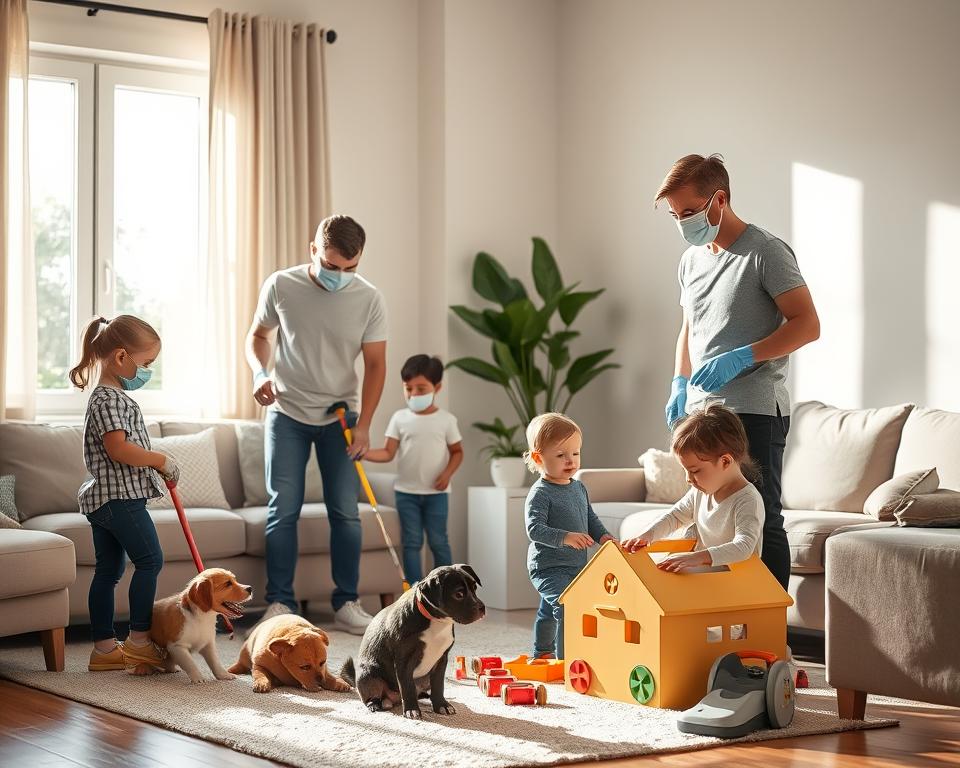
Keeping Children and Pets Away from Treated Areas
Young ones and animals are more susceptible to chemical residues. Their smaller size and behaviors like crawling or licking surfaces increase risk. Always respect the full Restricted Entry Interval (REI) before allowing access.
Use physical barriers as your first line of defense. Baby gates or closed doors effectively seal off rooms where pesticides were applied. For extended treatments, consider a temporary relocation for the day.
Even after the REI passes, exercise caution in specific zones. Baseboards, window sills, and cabinet exteriors may retain a film. Make sure toys, food bowls, and pet bedding are stored away during treatment and washed thoroughly afterward.
For pet owners, extra vigilance is key. Wash all pet bedding in hot water. Clean food and water bowls meticulously before reuse. Keep animals out of treated rooms until surfaces are completely dry and odor-free.
Using Protective Gear During Cleanup
The person handling the cleanup must also be shielded. Direct contact with residues should be avoided. Wearing appropriate Personal Protective Equipment (PPE) is a non-negotiable safety step.
We recommend this basic gear for your protection:
- Disposable nitrile or rubber gloves
- A long-sleeved shirt and long pants
- Closed-toe shoes
- A dust mask or respirator, especially when vacuuming or dusting
Your safety during cleanup is just as important as the treatment’s success. Proper gear minimizes exposure and completes the process securely.
This is particularly crucial in the UAE. Our indoor-outdoor living often means treated areas are near patios or common family spaces. Follow all instructions from your service provider.
After cleanup, dispose of gloves and mask properly. Wash your work clothes separately from other laundry. These simple actions ensure a secure environment for everyone in the house.
Ventilating Your Home for Fresh Air and Safety
Before you touch a single cleaning cloth, the priority is to exchange stagnant air for fresh. This is the essential first action once you re-enter your home.
Proper airflow helps dissipate any remaining chemical vapors. It makes the indoor environment safer and more comfortable for your family.
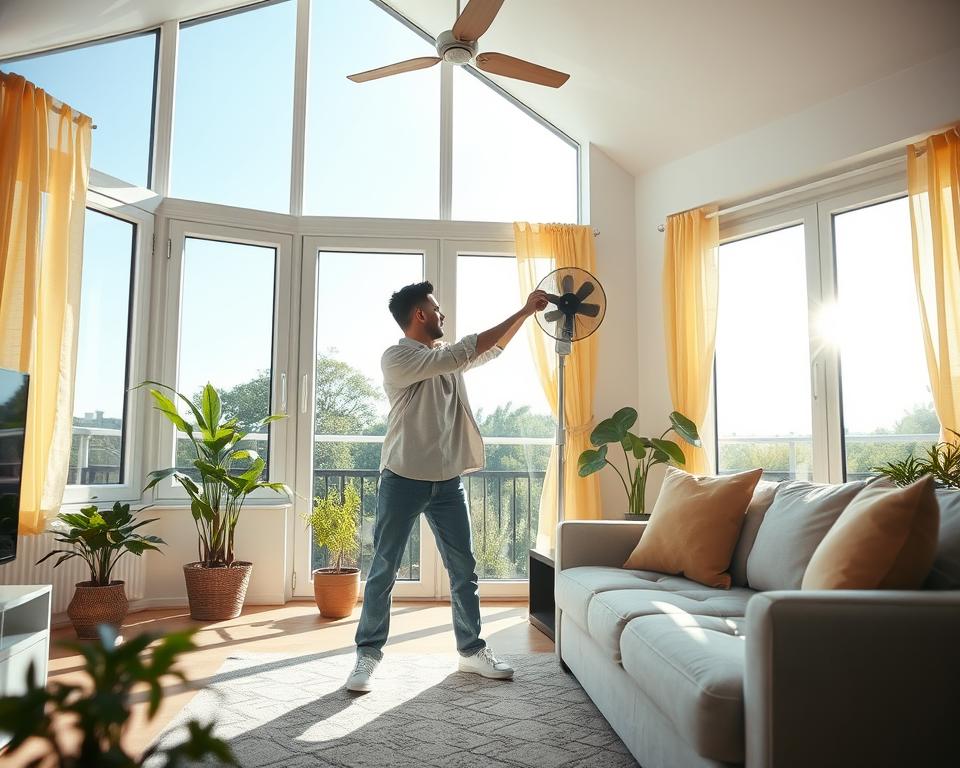
We provide a clear, step-by-step method. Start by opening all accessible windows and exterior doors. This creates a cross-ventilation effect that pushes old air out.
In the UAE’s warm climate, using fans significantly boosts circulation. Turn on ceiling fans or place standing fans near open windows to pull fresh air through the space.
Ventilation is the simple bridge between the waiting period and active cleaning. It ensures you start your work in a well-aerated, safer environment.
We advise allowing this process to run for at least 30 minutes to an hour. This time frame is crucial for reducing chemical concentration in the air.
This step is especially vital for rooms with poor natural airflow. Interior bathrooms, storage areas, and laundry rooms need extra attention.
Good ventilation also minimizes any strong odors some treatments leave behind. It is a highly effective measure to reduce inhalation exposure during the cleanup that follows.
Our instructions are designed for any home layout. Make sure to move lightweight items like curtains away from the airflow path. This allows for maximum movement of fresh air through the treated areas.
| Room Type | Recommended Ventilation Strategy | Duration Guide |
|---|---|---|
| Living Rooms & Bedrooms (Good Window Access) | Open opposing windows/doors for cross-breeze. Use ceiling fans on high. | 30-45 minutes |
| Kitchens & Bathrooms (Interior or Single Window) | Open available window fully. Use a standing fan pointed outward to exhaust air. | 45-60 minutes |
| Storage Rooms & Hallways (No Windows) | Open all doors to the room. Place a fan in the doorway blowing fresh air in from an adjacent ventilated room. | 60+ minutes |
| Entire Apartment or Villa | Open main entry door and multiple windows across the floor plan. Create a “wind tunnel” effect with fans. | 60 minutes before starting room-by-room cleaning |
This process prepares your living space for the physical tasks ahead. Once the air feels fresh and clear, you can confidently begin the detailed cleanup.
Our Step-by-Step Post-Pest Control Cleaning Guide – What You Must Do
Armed with knowledge and proper timing, we now move to the hands-on phase of reclaiming your environment. This systematic protocol restores your living space to a pristine and healthy state.
We present the core, actionable steps in a logical sequence. Following this order ensures efficiency and prevents the spread of residues. Every task builds upon the last for a complete result.
Gathering Essential Cleaning Supplies
Preparation is key. Before starting, assemble all necessary items. This prevents mid-task interruptions and keeps the process smooth.
We recommend this toolkit for effective and safe work:
- Buckets, mops, and plenty of microfiber cloths
- A mild, non-abrasive detergent or all-purpose cleaner
- Disposable gloves and trash bags
- A vacuum cleaner with a HEPA filter attachment
- A steam cleaner for fabrics (optional but effective)
Using harsh chemicals like bleach can interact with pesticide residues. Always check the product label instructions first. Warm, soapy water is often the safest and most effective choice.
Having everything within reach allows you to focus on the task. It turns a daunting chore into a manageable project.
Cleaning from Top to Bottom: Walls and Surfaces
Always begin high and work your way down. This fundamental rule prevents dust and residue from higher areas from contaminating surfaces you’ve already cleaned.
Start with ceilings, light fixtures, and ceiling fans. Use a duster or a damp cloth to capture debris. Next, address all vertical walls.
Wipe down walls with a cloth dampened in your warm soapy solution. Pay special attention to corners and behind furniture. This removes settled particles and any light film.
Then, tackle all horizontal surfaces. This includes countertops, shelves, tables, and window sills. A thorough wipe-down here is crucial for deep cleaning.
This top-down method is the most efficient way to get rid of all particulate matter. It systematically clears each zone before moving to the next.
Focusing on Floors: Mopping and Vacuuming Techniques
Floors are addressed last in our sequence. We differentiate between carpeted and hard surfaces for the best results.
First, vacuum all carpets and rugs thoroughly. Use the vacuum’s attachments to reach edges and under furniture. This action removes dead pests, eggs, and fine debris.
Immediately seal and discard the vacuum bag or canister contents in an outdoor trash bin. This prevents any pests from re-entering your clean home.
For hard floors, use a well-wrung mop with your cleaning solution. Avoid oversaturating the surface. Steer clear of baseboards and other treated areas for the first week to protect the chemical barrier.
This step finalizes the basic cleaning of your home’s structure. It creates a fresh foundation for the next phase.
Handling Furniture, Upholstery, and Bedding
Soft furnishings require careful attention. They can harbor allergens and need a specific approach to clean after pest control.
Begin by vacuuming all upholstery, cushions, and mattresses. Use the upholstery attachment and go over each section multiple times. This helps clean up pest debris deeply embedded in fibers.
For a more thorough sanitization, consider using a steam cleaner on suitable fabrics. The high heat helps eliminate microscopic contaminants. Always check manufacturer labels first.
Finally, wash all bedding, removable cushion covers, and curtains. Use the hottest water cycle the fabric allows. This completes the process and ensures a truly refreshed living environment.
Following this comprehensive guide ensures no part of your home is overlooked. Our steps are designed to be thorough yet efficient, restoring your sanctuary to a clean and safe state.
Kitchen and Food Area Cleanup: Ensuring Hygiene
No room in the house requires more meticulous post-treatment care than the kitchen. This is the primary zone where your family’s food is prepared and stored. Our protocol here is driven by an uncompromising principle: eliminate any risk of chemical contamination.
We focus on two critical actions. First, you must identify and safely discard compromised food items. Second, you need to thoroughly sanitize every preparation surface. This dual approach guarantees a hygienic environment for cooking and eating.
Identifying and Discarding Contaminated Food Items
Adopt a “better safe than sorry” mindset with all consumables. Any food left exposed during the service is potentially compromised. This includes items on countertops, in open bags, or in containers without tight seals.
When in doubt, throw it out. Protecting your family’s health is far more valuable than saving a questionable food item.
Perishables like fruits, vegetables, and bread are especially vulnerable. Discard them if they were not sealed inside the refrigerator or a pantry cabinet. Dry goods in permeable packaging, such as cardboard or thin plastic, should also be considered at risk.
For future treatments, we advise a simple preventative step. Seal all non-contaminated food in airtight containers beforehand. This simple habit safeguards your groceries and simplifies the post-service review.
| Food Item Type | Disposal Criteria | Safe Handling Alternative |
|---|---|---|
| Fresh Produce & Bakery Items | Discard if left on counters or in open bowls. | Store in the refrigerator or sealed containers before treatment. |
| Dry Goods (Flour, Sugar, Pasta) | Discard if in original cardboard or unsealed plastic bags. | Transfer to glass or thick plastic containers with locking lids. |
| Canned & Jarred Goods | Wipe the exterior with a damp cloth; contents are safe if sealed. | No special storage needed for sealed metal or glass. |
| Spices & Condiments | Discard if in shakers or open jars without covers. | Ensure all lids are tightly sealed before the service begins. |
Sanitizing Countertops, Appliances, and Utensils
Every surface that contacts food must be cleaned. This process goes beyond a simple wipe-down. It involves a systematic sanitization of all preparation areas.
Begin by clearing all countertops. Use a food-safe disinfectant or a solution of vinegar and water. Pay extra attention to cracks, seams, and around sinks where residues can settle.
Next, address all appliances. Wipe down the exterior of your refrigerator, stove, microwave, and toaster. Do not forget handles, buttons, and control panels. These are high-touch surfaces that need attention.
Follow these steps for a complete sanitization:
- Wash all dishes, glasses, and utensils, even those stored in closed cabinets.
- Clean cutting boards thoroughly with hot, soapy water.
- Wipe out the interiors of drawers and cabinets where kitchenware is stored.
- Run empty dishwasher and laundry cycles to clean their interiors.
In UAE households, consider specific attractants. Clean around water coolers, humidifiers, and drip trays thoroughly. These moisture-rich areas can draw pests if not maintained.
Following these instructions creates a truly clean home environment. Your kitchen will be safe, hygienic, and ready for daily use. This meticulous effort is non-negotiable for complete peace of mind.
Dealing with Dead Pests and Chemical Residue
Addressing the aftermath of a pest control service requires a dual focus on sanitation and preserving the treatment’s integrity. This phase involves the careful removal of deceased pests and any leftover chemical film.
Our goal is to restore cleanliness without accidentally washing away the protective barriers. We provide tactful and sanitary methods for handling these remnants.
Finding deceased insects or rodents is a normal sign the treatment worked. However, they must be removed promptly to prevent odors and secondary infestations.
Always wear disposable gloves for this task. Use a dustpan and brush or a vacuum cleaner with a disposable bag for collection.
Immediate disposal in a sealed bag placed in an outdoor trash bin is non-negotiable. This simple step prevents attracting other scavenging pests to your property.
Chemical residues require a different approach. A light film may be visible on some surfaces after the service dries.
For general residue on central countertops or tables, use a cloth dampened with warm, soapy water. Avoid harsh cleaners that could interact with the pesticides.
It is crucial to differentiate between general cleanup and preserving active control zones. The applied chemical barriers along edges and cracks must remain undisturbed.
Consciously avoid scrubbing baseboards, window tracks, and cabinet hinges. These are strategic areas where the professional application continues to work.
| Cleanup Zone | Recommended Action | What to Avoid |
|---|---|---|
| Open Floor & Countertop Centers | Wipe with damp, soapy cloth. Vacuum debris. | Dry dusting powdery residues. |
| Baseboards & Wall Edges | Lightly dust with a dry cloth only if needed. | Scrubbing, mopping, or using wet cleaners. |
| Cracks & Crevices (e.g., cabinet hinges) | Do not clean. Leave the treatment intact. | Inserting tools or cloths into these spaces. |
| Areas with Sticky/Gel Residues | Leave untouched. This is often a bait station. | Wiping or removing the gel. |
For powdery residues, damp cloths are safer than dry dusting. This prevents you from inhaling fine particles during the cleaning process.
Once dry, these residues are less hazardous but still require careful handling. Always wash your hands thoroughly after the task, even when wearing gloves.
Proper disposal and residue management are key to closing the loop on the infestation. This step ensures you get rid of the problem’s evidence safely.
It also protects the long-term effectiveness of the pest control investment. You maintain a clean home while letting the professional work continue in the targeted area.
Handle all contaminated items, like vacuum bags or used cloths, as hazardous waste. Seal them in a plastic bag before outdoor disposal.
This efficient and safe approach navigates an unpleasant task with confidence. It finalizes the service and moves your home toward a truly refreshed state.
Special Considerations for Homes in the United Arab Emirates
In the United Arab Emirates, a unique set of environmental factors demands tailored post-pest control strategies. General advice must be adapted to this region’s specific context for maximum effectiveness.
We focus on two powerful local influences: the climate and community standards. Understanding both ensures your efforts are as successful and appropriate as possible.
Adapting to UAE Climate and Pest Challenges
The UAE’s warm, humid climate creates an ideal environment for many common pests. Cockroaches and ants, for example, have faster breeding cycles here.
This sustained pest activity means reinfestation can occur quickly if conditions are favorable. Your post-treatment vigilance is even more critical.
Humidity also affects applied treatments. Liquid applications may take longer to dry completely. We advise potentially extending waiting periods before cleaning in very humid areas.
Always consult your technician about adjusted drying time. Local providers understand how the climate impacts their products.
A key long-term tip is managing indoor humidity. Using dehumidifiers, especially in bathrooms and kitchens, removes a major attractant. This supports the ongoing success of your initial treatment.
Local Standards for Home Maintenance and Cleaning
Residences in the UAE are held to high aesthetic and hygiene standards. Post-service cleaning must meet these expectations for both health and community living.
This often necessitates a thorough, near-professional-grade approach. Surfaces should be immaculate, with no visible residues or debris. It’s about restoring a pristine living environment.
Local experts are invaluable here. Firms like Super Dream Pest Control & Cleaning Services UAE use control methods suited for the climate. They also provide precise post-care advice that aligns with local standards.
Your type of property also influences your strategy. Entry points for pests differ between villas and apartments.
| Property Type | Key Considerations for Post-Treatment | Focus for Long-Term Control |
|---|---|---|
| Villas & Standalone Homes | Check perimeter walls, garden access points, and roof spaces. Outdoor treatments are common. | Seal cracks in exterior walls. Maintain landscaping to reduce harborage areas. |
| Apartments & Condos | Focus on internal plumbing lines, shared wall voids, and balcony entry points. Coordination with building management may be needed. | Ensure window seals are tight. Manage waste disposal promptly to avoid attracting pests from neighboring units. |
These localized tips empower you to protect your home effectively. They address the unique challenges faced by homes in the region.
Integrating this knowledge makes your post-care efforts more robust. You contribute to a safer, healthier living space for your family.
Long-Term Maintenance to Prevent Pest Reinfestation
The battle against pests doesn’t end with a single treatment; it evolves into a strategy of consistent defense. We shift focus from reactive measures to proactive habits that safeguard your home.
Our goal is to create an environment where pests find no welcome. This ongoing effort makes the results of your initial pest control service last much longer.
Think of this maintenance as an investment in your property’s value and your family’s comfort. Simple, regular actions build a powerful barrier against future pest activity.
Regular Cleaning and Decluttering Tips
Consistency is your greatest ally. A clean, organized space removes the two things pests seek most: food and shelter. We advocate for a routine that becomes second nature.
Start with immediate spill cleanup. Wipe counters and sweep floors right after meals. This simple step denies ants and cockroaches an easy meal.
Regular vacuuming is non-negotiable. Focus on carpets, rugs, and under furniture. This removes crumbs, eggs, and allergens that attract invaders.
A cluttered home offers countless hiding spots. Reducing clutter is a direct way to get rid of potential pest harborage zones.
Declutter storage areas like basements, attics, and garages. Use sealed plastic bins instead of cardboard boxes. Cardboard attracts pests and is easy for them to nest in.
Proper food storage completes this strategy. Keep dry goods in airtight containers. Never leave pet food out overnight. These tips make your home far less appealing.
This routine isn’t about deep scrubbing every day. It’s about smart, habitual actions that maintain a baseline of cleanliness. That baseline is a strong deterrent.
Sealing Entry Points and Repairing Leaks
Your home‘s physical integrity is its first line of defense. Small gaps and moisture issues are open invitations. We provide a practical DIY guide to pest-proofing.
Begin with a thorough inspection of your property’s exterior. Walk the perimeter and look for cracks. Pay close attention to where pipes, wires, and cables enter the walls.
Common entry points include gaps around doors, windows, and utility lines. Even tiny openings can allow ants, spiders, and rodents inside.
Seal these gaps with appropriate materials. Use silicone caulk for small cracks. For larger holes or areas where rodents might chew, stuff copper mesh or steel wool first, then seal over it.
| Entry Point Type | Recommended
Sealing Material |
Inspection Frequency |
|---|---|---|
| Gaps around door/window frames | Weather stripping or silicone caulk | Seasonally, before summer |
| Cracks in foundation or exterior walls | Hydraulic cement or expanding foam | Annually |
| Openings around pipes & conduits | Copper mesh + silicone caulk | Every 6 months |
| Vents (dryer, attic, soffit) | Fine mesh wire screens | Seasonally |
Next, address moisture sources. Fix leaky faucets, pipes, and AC drain lines promptly. Many pests, especially in arid climates, are drawn to water.
Ensure your home has proper drainage. Gutters should be clear, and downspouts should direct water away from the foundation. This reduces moisture that attracts pests.
In the UAE, schedule these checks before and after the peak summer heat. This is when pest activity often surges. Seasonal vigilance is a key safety habit.
These actions directly support your initial pest control treatments. They protect the applied barriers and prevent new pests from finding an entry point.
By integrating these steps, you transform your living area. It becomes a hostile environment for pests and a comfortable sanctuary for your family. That is the ultimate goal of long-term control.
Common Mistakes to Avoid After Pest Control Treatment
Many homeowners inadvertently sabotage their pest control results by making a few key errors. We catalog frequent missteps that compromise safety and the service’s success.
Understanding these pitfalls helps you navigate the post-treatment period with confidence. It prevents costly setbacks and ensures a lasting solution.
The most critical error is initiating deep cleaning too soon. Mopping floors or scrubbing walls within the first week removes the protective chemical barrier.
This action washes away the residual treatment meant for ongoing control. Always wait the full recommended time before such intensive tasks.
Using incompatible cleaning agents is another major risk. Harsh chemicals like bleach or ammonia can react with certain pesticide residues.
Mixing cleaning products with pesticide films can create hazardous fumes. Always check the product label instructions first.
Warm, soapy water is typically the safest choice for general cleanup. It effectively cleans without dangerous interactions.
Neglecting to ventilate your home adequately is a common oversight. Proper airflow reduces lingering odors and potential inhalation risks.
Open windows and doors to exchange stale air for fresh. This step should be your first action upon re-entry.
Allowing children and pets into treated areas before the Restricted Entry Interval passes exposes them to unnecessary risk. Respect the full waiting period listed on the label.
This is a non-negotiable safety protocol. Their smaller size and behaviors make them more vulnerable.
Disregarding the specific aftercare instructions from your technician is a serious oversight. Professionals provide tailored advice for your situation.
Each pest control treatment may have unique requirements. Following these guidelines ensures optimal results.
| Common Mistake | Consequence | Corrective Action |
|---|---|---|
| Cleaning too soon (within 24-48 hours) | Removes residual barrier, leading to rapid reinfestation. | Wait at least 4-6 hours for light tasks; 7 days for deep cleaning. |
| Using bleach/ammonia on residues | Can create toxic gases, posing health hazards. | Use mild detergent and water. Test a small area first. |
| Not ventilating after service | Prolonged chemical odor and poor indoor air quality. | Open all windows for 30-60 minutes upon re-entry. |
| Early access for kids/pets | Increased exposure to chemical films on surfaces. | Adhere strictly to the REI. Use physical barriers if needed. |
| Ignoring technician instructions | Undermines the control treatment‘s effectiveness. | Keep and follow the provided aftercare sheet. |
Improper disposal of deceased pests is another error. Leaving them in the open can attract secondary scavengers.
Always use gloves and a sealed bag for removal. Place the bag in an outdoor trash bin immediately.
Failing to address the root causes of the infestation after cleanup is a missed opportunity. This includes unsealed entry points or moisture leaks.
Long-term success requires fixing these issues. Otherwise, new pests will find your house inviting again.
By highlighting these pitfalls, we empower you to protect your investment. Avoid these mistakes to ensure a safe, pest-free environment.
Your vigilance in the days following the treatments is crucial. It solidifies the work done by the professionals.
When to Seek Professional Help: Super Dream Pest Control & Cleaning Services UAE
Recognizing when a situation exceeds DIY capabilities is crucial for effective pest management. Sometimes, the problem is too vast or complex for standard solutions. Knowing when to escalate ensures your home remains safe and pest-free.
We define clear scenarios that warrant calling in experts. Attempting further DIY control can be ineffective or even hazardous in these cases.
If pest activity persists or increases several weeks after the initial treatment, it indicates a deeper issue. This often means the colony was not fully eradicated. A professional assessment is needed to identify hidden nests or entry points.
For extensive infestations, ongoing professional management is necessary. Termites, widespread rodents, or bed bug colonies require specialized treatments. These pests are notoriously difficult to control without advanced tools and knowledge.
Calling professionals is not a failure; it’s a smart escalation for guaranteed results. It protects your property investment and your family’s well-being.
Specialized cleaning after a severe infestation also falls into this category. Professionals have access to industrial-grade equipment and sanitizers. They can safely handle contaminated areas that typical household cleaning cannot address.
In the UAE, we recommend Super Dream Pest Control & Cleaning Services UAE as a trusted local partner. They understand the unique regional pest challenges. Their expertise is tailored to homes across the Emirates.
This firm offers a comprehensive solution that combines both pest control and cleaning. Their potential services include thorough follow-up inspections. They also provide more powerful control treatment options not available to consumers.
Their professional team ensures all treatments are applied safely. They comply with UAE regulations regarding pesticides. This maximizes effectiveness while minimizing risk to your family and pets.
We advise homeowners to view their services as a resource. Here are key situations where their intervention is essential:
- Recurring Infestations: When pests return repeatedly, despite your efforts.
- Structural Damage: Signs of termites or rodents compromising your house integrity.
- Health Concerns: Allergies or illnesses potentially linked to pest allergens.
- Large-Scale Problems: Infestations covering multiple rooms or the entire property.
Their approach to clean pest control is particularly valuable. They can handle the entire process from eradication to sanitization. This eliminates the guesswork for you.
Always make sure to follow their specific aftercare instructions. This maintains the treatment‘s longevity and safety. Professional house pest control services provide peace of mind that DIY methods often cannot.
Do not hesitate to contact them if you feel overwhelmed. Some tasks are best left to trained and equipped professionals. This principle ensures your living environment is restored correctly.
Choosing a professional service like Super Dream is an investment in lasting control. It secures a healthy, pest-free home for everyone inside.
Conclusion: Ensuring a Safe and Pest-Free Home
Achieving a permanently pest-free living environment is the ultimate reward for your diligent efforts. This journey combines effective pest control treatment, proper post-service cleaning, and committed maintenance.
Respecting waiting periods, prioritizing safety, and executing thorough cleanup are the core pillars. You now possess the knowledge to protect your home investment and your family’s health.
In the UAE, maintaining this defense is an ongoing process. It ensures lasting comfort and peace of mind for your living space.
For professional assurance or complex challenges, Super Dream Pest Control & Cleaning Services UAE offers expert support. Your home can remain a secure sanctuary, free from pests.