How Hygiene Helps Prevent Pest Infestation in the UAE
What if the most powerful weapon against unwanted critters isn’t a chemical spray, but your daily cleaning routine? This question challenges a common belief and gets to the heart of sustainable living in our region.
In the UAE’s unique climate of heat and humidity, coupled with dense urban spaces, the link between cleanliness and a pest-free environment is undeniable. Pests are constantly searching for food, water, and shelter. Our homes can unintentionally provide all three.
Neglecting basic sanitation turns any property into a potential breeding ground. The consequences range from health risks to significant property damage. This guide is designed to shift your mindset from reactive extermination to proactive, sustainable pest prevention.
We will show you how consistent habits form a strategic defense system. This approach integrates daily actions with the expertise of partners like Super Dream Pest Control & Cleaning Services UAE. Their integrated model is ideal for achieving lasting results here.
Discover how hygiene helps prevent pest infestation in our ultimate guide. Super Dream Pest Control & Cleaning Services UAE keeps your home safe and
Key Takeaways
- Daily cleanliness directly removes the attractants that draw pests into your living space.
- The UAE’s specific climate and urban setting increase vulnerability to infestations.
- A proactive strategy is far more effective and sustainable than reacting to an existing problem.
- Simple, consistent routines are the foundational tool for a strong defense.
- Professional pest control services work best when combined with good household habits.
- Ignoring the issue can lead to serious health hazards and costly property damage.
- The following sections provide immediate, actionable strategies for every area of your home.
Introduction: The First Line of Defense Against Pests in the UAE
The battle against unwelcome visitors begins long before you see them, with simple actions that strip away their reasons to enter. In our region, consistent sanitation forms the strongest primary barrier.
This foundational step is what we call the first line of defense. It significantly reduces the need for intensive chemical treatments later on.

The local climate creates year-round pressure. Heat and humidity allow many species to thrive continuously. This makes proactive measures absolutely essential, not optional.
At its core, this strategy targets “pest attractants.” These are the basic lures: food, water, and shelter. Good hygiene directly removes these invitations from your property.
For businesses, especially in hospitality and food service, the stakes are immense. A single incident can spread disease and damage a hard-earned reputation overnight.
This defense is about much more than aesthetics. It safeguards health, protects your investment, and ensures peace of mind. The effort and cost of daily routines are minimal compared to the expense and disruption of a full-scale extermination.
A major misconception is that only untidy spaces face pest problems. Even the cleanest hotel or home can be vulnerable to specific threats like bed bugs, which travel on luggage and fabrics.
However, a well-maintained environment dramatically lowers the overall risk and limits the severity of most common infestations. It’s the most effective way to reduce risk.
Think of your strategy as a multi-layered shield. Daily cleanliness is the broad, foundational layer. It is then supported by physical barriers and professional pest control expertise.
The following sections will explore the specific attractants and hotspots in detail. We are committed to educating our community on this vital first step. It is the cornerstone of lasting protection.
Understanding the Pest Attraction: Food, Water, and Shelter
The secret to keeping pests out lies in removing the three things they cannot live without. Every creature needs sustenance, hydration, and a place to rest. When we provide these essentials, even unintentionally, we roll out the welcome mat.
Rodents, cockroaches, flies, and ants are the most common culprits. They thrive where resources are easy to find. Our goal is to make your property fundamentally uninviting by targeting these pillars.
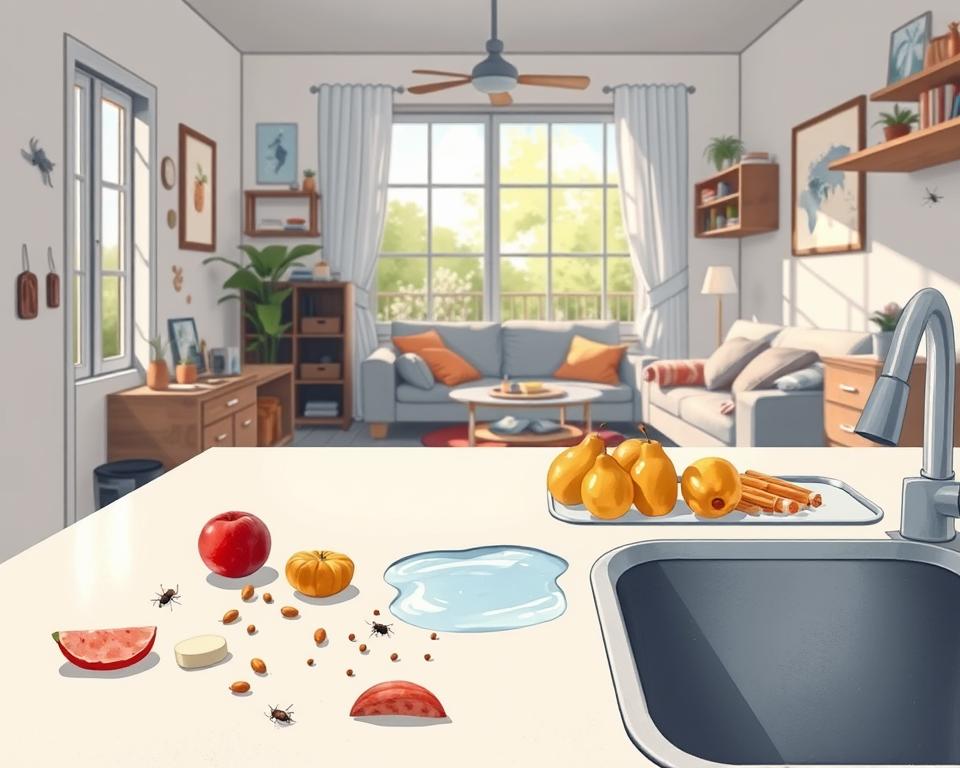
This approach is the core of intelligent pest prevention. It’s about strategy, not just reaction. Let’s break down each attractant and the specific actions that make a difference.
Eliminating Food Sources: From Crumbs to Garbage
Even microscopic crumbs and sticky residues can sustain large populations. A single spilled grain of sugar can feed an ant colony. A tiny grease smear is a feast for a cockroach.
Kitchens are natural magnets, but any area where we eat or store food is vulnerable. The key is consistent, thorough cleaning. Wipe countertops, stovetops, and tables immediately after use.
Don’t forget appliances. Crumbs collect in toasters and under microwave turntables. Crumbs also hide in pantry corners.
Storage is equally critical. Dry goods like flour, pasta, and cereal must go in airtight containers. Cardboard boxes and flimsy bags are no barrier. They are an open invitation for ants and pantry moths.
Your garbage system is a frontline defense. Use bins with tight-sealing lids. Empty them daily, especially in the heat. This simple act of waste management removes a major buffet for flies and rodents.
As one expert notes,
“A sealed container is worth a hundred traps. You eliminate the reason for them to be there in the first place.”
Controlling Moisture: Fixing Leaks and Reducing Humidity
All pests need water to survive. In our climate, they often seek it indoors. Dripping faucets, condensation under sinks, and pet water bowls become vital oases.
This moisture does more than quench thirst. It creates ideal breeding grounds. Mosquitoes need standing water. Cockroaches thrive in damp, dark spaces.
Start with a simple audit. Check under sinks, around toilets, and behind appliances for leaks. Fix any dripping pipes promptly. Ensure AC drip lines drain properly outside.
Reduce ambient humidity in problem areas. Use dehumidifiers in basements or storage rooms. Wipe down shower walls and sinks to remove puddles. Always fix that leaky tap.
This control has a bonus benefit. It helps prevent mold growth. Mold itself can attract certain insects like silverfish. You solve two issues with one action.
Removing Clutter: Eliminating Hiding Spots and Nests
Shelter is the final piece of the puzzle. Piles of boxes, old newspapers, and unused furniture create perfect harborage. These hiding spots offer safety and privacy for breeding.
Clutter turns a simple inspection into a major challenge. You can’t see signs of early activity behind a stack of magazines. Rodents will shred paper and fabric to build nests.
Adopt a minimalist approach to storage areas. Keep items off the floor on shelving. Reduce cardboard use; opt for plastic bins that seal. Regularly rotate stored goods.
Decluttering isn’t just about aesthetics. It’s a tactical move. It removes the safe haven pests require. It also makes your space easier to monitor and maintain.
Mastering these three areas—food, water, and shelter—disrupts the pest life cycle at its source. You stop problems before they begin. This makes your environment inherently resistant to infestations.
You systematically prevent pests from settling in. This is the most sustainable form of management available.
The High Cost of Poor Hygiene: Health and Property Risks
The true price of a lapse in cleanliness is often tallied in health scares and repair bills. We see the consequences daily. What starts as a minor oversight can escalate into a major crisis.
These pest infestations pose direct threats to well-being. Rodents spread pathogens like leptospirosis through their droppings. Cockroaches are known carriers of salmonella and E. coli.
Their shed skin and droppings contain potent allergens. These substances trigger asthma attacks and severe allergic reactions, especially in children. The air quality in your home suffers dramatically.

Living with an invasion creates constant stress and discomfort. The social stigma is real. It affects your peace of mind and sense of security in your own space.
Property damage is often extensive and costly. These creatures do not respect your belongings. Common destruction includes:
- Gnawed electrical wiring, which creates a serious fire hazard.
- Shredded insulation and drywall for nesting materials.
- Structural wood compromised by termites and other insects.
- Persistent stains and odors from urine and droppings.
“We frequently respond to emergencies where the repair costs far exceed the extermination bill. A rodent-chewed AC wire can disable an entire villa’s system overnight.”
The financial burden hits hard. Emergency pest control services command premium rates. This is followed by bills for electricians, carpenters, and replacement of ruined goods.
For UAE businesses, the stakes are higher. A single sighting can lead to failed health inspections, heavy fines, and lost customer trust. Revenue can vanish quickly.
In our dense urban environment, one unit’s pest problems become everyone’s issue. Infestations easily spread through shared walls and pipes in apartments and villas. This can lead to disputes and liability issues.
Contrast this with the modest, consistent investment in good hygiene. Regular cleaning and proper waste management are a form of insurance. They protect your physical property and your family’s health from the beginning.
How Hygiene Helps Prevent Pest Infestation: A Proactive Strategy
Lasting protection emerges from a cycle of simple actions. This creates an environment where pests simply cannot gain a foothold.
This is the essence of a proactive strategy. It moves us from theory to a practical, daily plan. The goal is to build inherent resistance.
We define proactive pest prevention as a continuous loop. It involves consistent maintenance, vigilant monitoring, and minor interventions. It is not a one-time deep clean.
Think of it as lowering the “pest pressure” on your property. Good habits significantly reduce this external pressure. Your defenses then become much stronger.
This approach systematically breaks the life cycle before it starts. It makes colonization nearly impossible for common invaders.
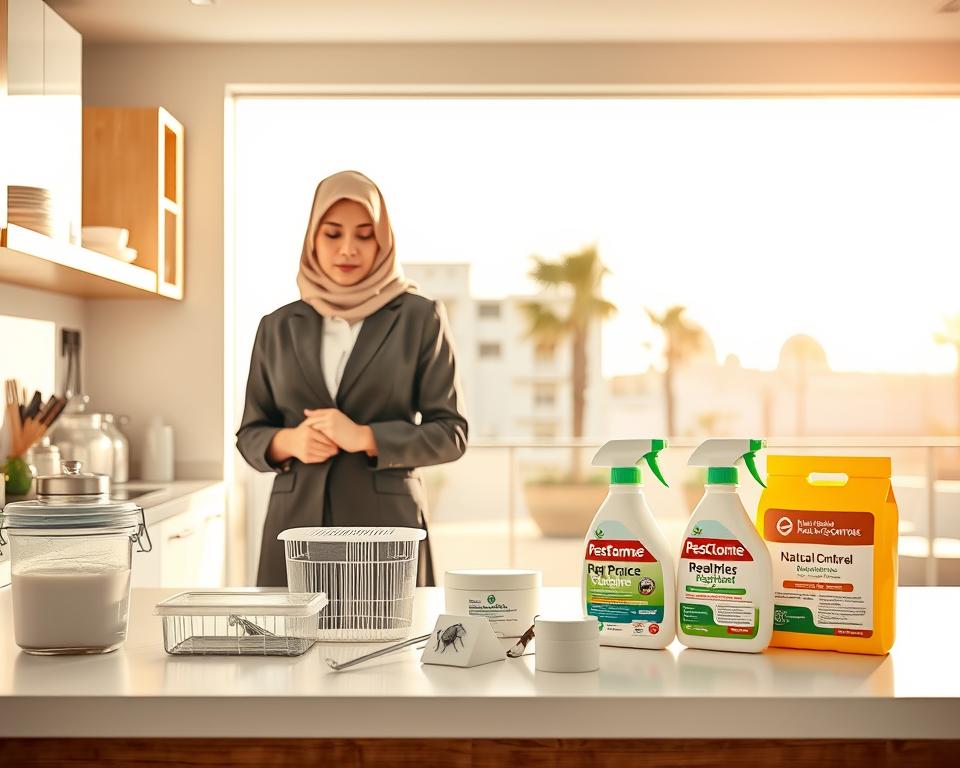
Our strategy rests on three core components. These work together to form a complete shield.
- Resource Denial: This continues the work of removing food, water, and shelter. It makes your space unappealing.
- Physical Exclusion: Sealing cracks and entry points acts as a critical barrier. It stops pests that are still searching.
- Regular Monitoring: Scheduled inspections catch early warning signs. This allows for swift, targeted action.
This method is sustainable and eco-friendly. It minimizes reliance on chemical pesticides. It aligns with a healthier lifestyle for your family.
“The most sustainable pest control is the kind you never have to use. A clean, sealed home is its own best defense.”
A key mindset shift is required. View cleaning and maintenance not as chores, but as strategic actions. They are essential for your home’s defense.
What does this look like in practice? A high-level routine includes weekly and monthly tasks.
Weekly, focus on kitchens and bathrooms. Wipe surfaces, manage trash, and check for moisture. Monthly, inspect seals, declutter storage, and survey the property’s exterior.
This framework is fully scalable. It works for apartments, villas, and commercial properties across the UAE. The principles remain the same.
This proactive hygiene strategy is the core of all effective, long-term pest management. It is your most powerful set of preventive measures.
Indoor Hygiene Hotspots: A Room-by-Room Guide
Effective pest management requires a tactical focus on the specific areas inside your property that are most at risk. We will provide a targeted, practical guide to securing your most vulnerable interior spaces.
Different rooms present unique challenges. A one-size-fits-all approach does not work. Let’s break down the key zones that need your attention.
The Kitchen: Your Frontline in the Pest Prevention Battle
Kitchens are a prime target for all types of pests. Daily activity here centers on food and water. Your routine must be thorough and consistent.
Start by identifying specific hotspots. Check under the refrigerator and stove. Crumbs and spills collect there unseen. Inspect inside cabinets and around the sink pipe.
Do not forget the area near the garbage disposal. Residue can build up and attract flies.
We recommend a clear schedule of tasks. Clean up spills immediately. Dispose of food waste nightly, never leaving it overnight.
Perform a deep cleaning of appliances weekly. Also, inspect pantry items for early signs of an infestation. Look for webbing or bored holes in packages.
“The single most effective act in preventing pest problems is sealing all food,” notes a local expert. This includes pet food. Use robust, airtight containers instead of cardboard boxes.
Bathrooms and Laundry Areas: Controlling Moisture and Mold
These areas are all about moisture warfare. Damp environments attract silverfish and cockroaches. Frequent cleaning is non-negotiable.
Always use exhaust fans during and after showers. Wipe down shower walls, tubs, and sinks after each use. This removes the puddles insects need.
Check regularly for pipe leaks under sinks. A small drip creates a big problem. Ensure your laundry room is well-ventilated to dry damp clothes quickly.
There is a direct link between mold growth and certain pests. Mold itself can be a food source. Regular cleaning of tiles and grout disrupts this cycle.
Scrub these surfaces routinely. More importantly, repair any water damage promptly. This tackles the root cause of moisture issues.
Storage Areas: Basements, Attics, and Closets
Often-neglected spaces like basements, attics, and closets become perfect hiding spots. They offer shelter and quiet for rodents and insects to nest.
Decluttering is your first tactical move. Eliminate cardboard boxes, which rodents love to shred. Replace them with sealed plastic bins.
Elevate all stored items off the floor on shelving. This improves air circulation. It also makes visual inspections much easier.
You should integrate a thorough cleaning of these storage zones into your seasonal home maintenance. Look for signs of dampness, droppings, or nesting materials.
Proper storage and hygiene in these areas remove the safe harbor pests seek. It turns your entire home into a fortified space.
Outdoor Hygiene and Landscaping: Creating a Pest-Unfriendly Perimeter
A secure interior starts with a managed exterior. The conditions outside your door directly dictate the threats that try to enter.
Your yard and building exterior are not neutral spaces. They are active zones that either repel or invite trouble. We must extend our defensive strategy beyond the walls.
This perimeter control is a powerful form of pest prevention. It stops problems before they reach your living areas. Let’s explore the three pillars of a strong outdoor defense.
Waste Management and Bin Security
Outdoor bins are major attractants for all kinds of pests. Flies, rodents, and ants see them as a reliable buffet. Proper waste management is non-negotiable.
Always use bins with tight-fitting, locking lids. Place them on a concrete pad or stand, away from the building’s walls. This simple step creates a physical and olfactory barrier.
Regular cleaning of the bins themselves is crucial. Rinse them monthly to remove sticky residues and odors. This removes the scent trail that guides insects and animals.
Coordinate with your schedule to avoid leaving bags out overnight. Pests are most active after dark. An exposed bag is an open invitation.
These preventive measures turn your garbage system from a liability into a secure part of your property defense.
Smart Landscaping to Deter Pests
Your garden design can work for or against you. Smart choices create a dry, well-maintained buffer zone. This makes your environment inherently less appealing.
Avoid dense, moisture-trapping ground cover right against the foundation. Instead, use a barrier of gravel or crushed rock. It discourages nesting and is easy to inspect.
Trim shrubs and tree branches back from the structure. Overhanging limbs act as bridges for ants and rodents. Keep a clear distance of at least one foot.
Choose plants that are naturally less attractive to local pests. Native vegetation often requires less water and is more resilient.
Pay close attention to drainage. Ensure gutters are clear and downspouts direct water away from the building. Eliminate standing water in plant saucers or yard depressions.
“Landscaping is often the missing link in a pest control plan. A dry, open perimeter is one of the best visual deterrents you can create.”
Maintaining Structural Integrity: Sealing Entry Points
Even with perfect hygiene and landscaping, tiny gaps are an open door. A thorough exterior inspection seals the deal. This is a critical final step.
Common entry points are often overlooked. Check for gaps around utility lines, cracks in the foundation, and damaged window screens. Also, look at spaces under doors.
Seal these entry points with appropriate materials. Use caulk for small cracks, steel wool for larger holes (rodents cannot chew through it), and weather stripping for doors.
This process is a one-time investment with lasting benefits. It not only helps prevent pests but also improves your home’s energy efficiency. You get double the protection.
Schedule these inspections seasonally. Changes in temperature can create new cracks. Proactive sealing is a cornerstone of intelligent pest control for any property.
Building Your Defense: Establishing a Regular Cleaning and Inspection Schedule
Systematic action turns daily chores into a powerful, multi-layered defense system for your property. A consistent schedule is the operational backbone of all proactive pest control.
This approach transforms random acts into a documented routine. It ensures no critical areas are forgotten over time.
We recommend a multi-tiered plan. It covers daily, weekly, monthly, and seasonal tasks. This structure provides comprehensive coverage without feeling overwhelming.
Your goal is to create inherent resistance. A good schedule makes your home fundamentally uninviting. It is the best form of prevention.
Let’s translate principles into a practical routine you can adopt. Customize this framework based on your specific property layout and lifestyle.
| Frequency | Core Tasks | Inspection Focus |
|---|---|---|
| Daily | Wipe kitchen counters and tables. Sweep floors. Secure all food in airtight containers. Take out the trash. | Look for fresh spills, crumbs, or moisture around sinks. |
| Weekly | Thorough vacuuming (under furniture). Mop hard floors. Deep clean bathroom surfaces. Check indoor plants. | Search for early signs like ant trails or fruit flies. |
| Monthly | Clean behind appliances. Check pantry stocks. Inspect window/door seals. Declutter one storage area. | Examine for droppings, shed wings, or gnaw marks in hidden areas. |
| Seasonal | Exterior inspection (gutters, drainage). Deep clean storage rooms. Review landscaping and bin placement. | Check for mud tubes, entry points, and standing water. |
The inspection component is vital. Regular cleaning provides the perfect opportunity to monitor your property. You become the first line of detection.
Know what to look for. Evidence includes rodent droppings, insect wings, greasy smear marks, and damaged food packaging. Catching these signs early is crucial.
“A cleaning session is also a reconnaissance mission. You’re not just removing attractants; you’re gathering intelligence on your home’s security status.”
We suggest keeping a simple log. Note completed tasks and any potential pest problems found. This creates a valuable history for your home.
Consistency is the common challenge. Life gets busy, and routines slip. Here are practical solutions for building sustainable habits.
- Involve family members by assigning age-appropriate tasks.
- Set phone reminders for weekly and monthly responsibilities.
- Start small; master the daily list before adding more complex monthly jobs.
- Pair a task with a regular activity, like cleaning the kitchen after dinner.
These measures integrate management into your lifestyle. They stop it from feeling like a separate, burdensome chore.
This schedule is your strategic plan. It verifies all other preventive measures are working. It turns theory into tangible, daily action.
Even the most diligent routine has limits. Some pest infestations require specialized knowledge and tools. This is where professional pest expertise becomes essential.
Your consistent hygiene and inspections make their job more effective. They can focus on targeted control rather than addressing a crisis fueled by poor sanitation.
Think of your schedule as the foundation. It supports the entire structure of your property’s defense against pests. Without it, other solutions are merely temporary fixes.
Adopting this systematic approach is the final step in owning your environment. You move from hoping for the best to knowing your property is secure.
Beyond Bleach: Natural and Eco-Friendly Cleaning Solutions for Pest Deterrence
Your cleaning cabinet holds surprising allies in the fight for a pest-resistant living space. Common household items can serve a dual purpose. They achieve sparkling cleaning while naturally repelling common intruders.
This represents a smarter approach to household management. It prioritizes safety for families, pets, and our planet. We explore effective alternatives to harsh chemical products.
White vinegar is a versatile champion. Its acidic nature cuts through grease and grime on most surfaces. More importantly, it disrupts the scent trails ants use to navigate.
To use it, mix equal parts vinegar and water in a spray bottle. Wipe down countertops, floors, and window sills. For persistent ant trails, apply the solution directly to the path.
Food-grade diatomaceous earth is a fine, powdery substance. It works through physical action, not chemistry. The powder dehydrates the exoskeletons of crawling insects.
Apply a light dusting in dry, hidden areas. Focus on cracks, crevices, and behind appliances. It is safe around pets and children when used as directed.
Essential oils offer aromatic defense. Peppermint, lavender, and eucalyptus oils are particularly effective. They repel spiders, ants, moths, and even flies.
Create a diluted spray by adding 10-15 drops of oil to a cup of water. Use it on baseboards or in diffusers. You can also soak cotton balls and place them in cabinets.
“These natural solutions turn routine maintenance into proactive defense. You clean and protect in one simple step.”
Other pantry items provide simple deterrence. Place citrus peels near entry points to discourage ants. Bay leaves in pantry shelves repel grain moths.
Baking soda is excellent for scrubbing and deodorizing. It removes odors that might attract certain pests. These methods are accessible and cost-effective.
How do these options compare to traditional chemical cleaners? Eco-friendly products are typically less toxic and biodegradable. They support a healthier indoor environment.
Long-term use improves indoor air quality. It also aligns with broader sustainability goals here in the UAE. Creating a green home is a community effort.
It is crucial to understand the limits of these methods. They excel at prevention and mild deterrence. An active, established infestation often requires stronger control.
For serious pest problems, professional pest services are the recommended course. Natural solutions work best as part of a layered strategy.
Incorporate these practices into your regular schedule. Add vinegar to your mopping water. Refresh essential oil cotton balls each month.
This holistic method fosters a truly pest-free environment. It combines effective cleaning with conscious, sustainable choices. Your home becomes a sanctuary of health and well-being.
The Essential Role of Professional Pest Control and Hygiene Services
While diligent habits form a strong foundation, certain challenges demand specialized knowledge and tools. Our daily routines are powerful, but they have boundaries.
This is where expert professional pest control becomes indispensable. It provides the final, decisive layer of protection for your property.
These services go beyond simple elimination. They involve precise identification of the source. Experts then implement targeted preventive measures and often use advanced, eco-friendly solutions.
Hygiene services, like deep cleaning and moisture control, directly lower the odds of an infestation. Together, they create a comprehensive approach.
Why Even the Cleanest Homes Need Expert Help
Your immaculate space can still face threats from outside. Pests do not respect property lines. An infestation in a neighboring villa or apartment can quickly migrate through shared walls and pipes.
Seasonal changes here in the UAE also trigger influxes of certain pests. These waves can overwhelm even the best personal defenses.
Some invaders operate completely independently of hygiene. Bed bugs, for example, travel on luggage and furniture. They are not attracted by dirt but by the presence of people.
Other pest problems remain hidden. Nests can be deep within wall cavities or under floorboards. You might never see the source, only the occasional scout.
This is where professional expertise is non-negotiable. Accurate pest identification is the first critical step. Misidentifying a species leads to ineffective treatment.
“A homeowner might see an ant. A professional sees one of dozens of species, each requiring a different control strategy. That accuracy is everything.”
Professionals also have access to more potent and targeted treatment options. These are often safer for families and pets than over-the-counter products. They are applied with precision.
Perhaps most importantly, experts conduct detailed inspections. They find hidden entry points and harborage sites that are easily missed. This thoroughness addresses the root cause, not just the symptoms.
How Super Dream Integrates Cleaning with Pest Control for Lasting Results
Super Dream Pest Control & Cleaning Services UAE offers a unique, integrated model. It directly combines the two pillars of defense we’ve discussed.
Their dual-service approach is designed for lasting results. The deep cleaning team addresses the hygiene attractants—food residue, grease, and clutter. This removes the lure.
Simultaneously, their pest control specialists tackle any existing infestation. They apply preventive barriers and treatments. This one-two punch is highly effective.
The integration ensures the environment is left spotless after a treatment. A clean space is far less likely to attract new pests. This breaks the cycle of reinfestation permanently.
They offer flexible service packages to suit any need:
- One-off deep cleans: Ideal for a fresh start or post-renovation sanitation.
- Regular maintenance cleaning with periodic pest inspections: A proactive plan for ongoing peace of mind.
- Post-treatment sanitation services: Ensures a clean slate after any pest control procedure, enhancing its long-term success.
This model makes them the ideal partner for UAE residents. It merges all the strategies from this guide into a single, reliable solution. You get a comprehensive, hassle-free defense for your home.
Their expertise in local pest behavior and climate-specific challenges is invaluable. Partnering with a provider like Super Dream turns prevention into a managed, sustainable reality.
Conclusion: Partnering for a Cleaner, Pest-Free UAE Home
True peace of mind comes from knowing your living space is defended by both your own routines and professional expertise. This guide has outlined the powerful synergy between daily diligence and specialized support.
Your consistent cleaning is the cornerstone. It directly removes the food, water, and shelter that attract rodents and insects. A comprehensive defense includes both indoor home solutions and smart outdoor management.
While your efforts are vital, some challenges require advanced tools and knowledge. Partnering with a service like Super Dream Pest Control & Cleaning Services UAE elevates your protection. Their integrated approach combines deep cleaning with expert pest control for lasting results.
Thank you for your commitment to a healthier property. By applying these strategies, you can enjoy a truly secure and comfortable environment. Take the next step towards a pest-free home today.