Hidden Germs in Your Home You Didn’t Know About
What if the cleanest-looking spot in your house is actually teeming with invisible threats? We often focus on visible dirt, but a whole world of microbes exists out of sight.
These microorganisms thrive in unexpected places. They go far beyond the usual cleaning routines we all follow.
In the unique climate of the United Arab Emirates, heat and humidity can help bacteria and mold spread faster. This creates a constant challenge for household health.
This unseen world impacts your family‘s well-being. Regular wiping isn’t always enough for some hotspots.
We will guide you through a room-by-room inspection. You’ll learn simple steps to disinfect and protect your living space.
Think of Super Dream Pest Control & Cleaning Services UAE as your partner. Our professional services complement your daily habits for a truly healthy home.
Ready to uncover these hidden dangers? Let’s explore the ten most overlooked areas together.
Discover Hidden Germs in Your Home You Didn’t Know About with our expert guide. Super Dream Pest Control & Cleaning Services UAE keeps your space healthy.
Key Takeaways
- Many household germs are invisible and live in spots we rarely clean.
- The UAE’s climate can make bacteria and mold grow more quickly.
- These hidden microbes can affect your family’s health and comfort.
- Regular cleaning is good, but some areas need special attention.
- A room-by-room approach helps you find and tackle these germ hotspots.
- Professional cleaning services can provide a deeper level of protection.
Introduction: The Unseen World of Household Germs
Our domestic environments are shared with countless microorganisms we rarely notice. These tiny life forms exist on every surface and in the air we breathe. They are a normal part of our daily lives.
Many of these microbes are harmless or even beneficial. However, certain types of bacteria and viruses can pose risks to our family‘s health. This is especially true for young children, older adults, and those with weakened immune systems.
These pathogens spread in several ways. They travel from person to person through direct contact. They also move from people to surfaces and back again.
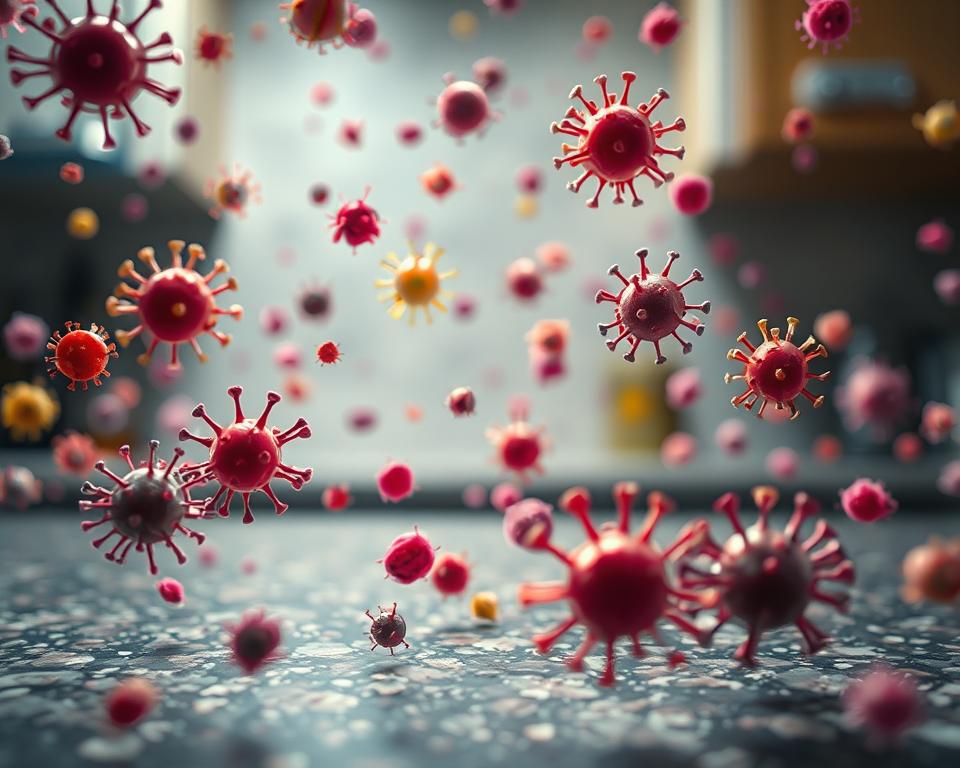
Airborne droplets and moisture create another path for contamination. This creates a constant cycle within our living spaces.
Research reveals surprising facts about our home environments. Everyday items like remote controls and kitchen tools can harbor more germs than many public places. One study found that common household objects often have higher bacterial counts than a public restroom.
How long germs persist depends on several factors. The type of surface material plays a big role. Non-porous materials like plastic and stainless steel can harbor viruses longer than porous ones.
Our daily habits and cleaning procedures are equally important. Frequent touching without proper handwashing keeps the cycle going. Incomplete disinfection allows colonies to regrow quickly.
The local climate in the UAE adds another layer. High heat and humidity provide ideal conditions for microbial growth. Moisture helps bacteria and mold thrive in unexpected spots.
Awareness is the crucial first step toward better hygiene management. Understanding how germs live and spread empowers us to break the cycle. It transforms our approach to maintaining a healthy house.
Common cleaning routines often miss key hotspots. We focus on visible dirt while overlooking microscopic threats. The subsequent sections will reveal these specific, surprising places.
To help visualize the unseen inhabitants, here is a breakdown of common household germs:
| Type of Germ | Primary
Method of Spread |
Can Survive on
Hard Surfaces |
Common
Household Locations |
|---|---|---|---|
| Influenza Virus | Airborne droplets, touch | Up to 48 hours | Light switches, remote controls |
| E. coli Bacteria | Contaminated food, touch | Hours to days | Kitchen sinks, cutting boards |
| Staphylococcus | Direct skin contact | Days to weeks | Bedding, towels, phones |
| Norovirus | Fecal-oral route, surfaces | Weeks | Bathroom fixtures, handles |
| Dust Mites (allergens) | Airborne particles | Indefinitely in fabric | Mattresses, upholstered furniture |
This table illustrates why a one-size-fits-all cleaning approach falls short. Different germs require different strategies for control.
We are now ready to explore the specific areas where these microorganisms thrive. The following list will guide you through a detailed inspection of your home. You will learn how to target these zones effectively for your family‘s well-being.
Uncovering the Hidden Germs in Your Home You Didn’t Know About
Effective home hygiene requires understanding where standard practices fall short. We often follow cleaning patterns that address what we can see. Meanwhile, microscopic threats multiply in overlooked places.
Different zones in your house carry varying risk levels. Surface materials, daily habits, and cleaning methods all play a role. Let’s explore why our routines miss key spots and the real health impacts for UAE families.
Why Common Cleaning Routines Miss These Spots
Our brains are wired to notice visible grime and clutter. This creates a psychological blind spot for microbial contamination. We wipe counters but forget about the damp sponge we used.
Quick clean-ups often neglect porous and high-touch items. Think of remote controls, light switches, and refrigerator handles. These surfaces get constant contact but infrequent disinfection.
Damp environments are perfect for bacteria and mold growth. Yet, we might only give them a superficial wipe. Items like shower curtains and dish racks stay perpetually moist.
Without targeted disinfection, cleaning can sometimes spread germs around. A dirty cloth moves pathogens from one surface to another. This defeats the purpose of our routines.
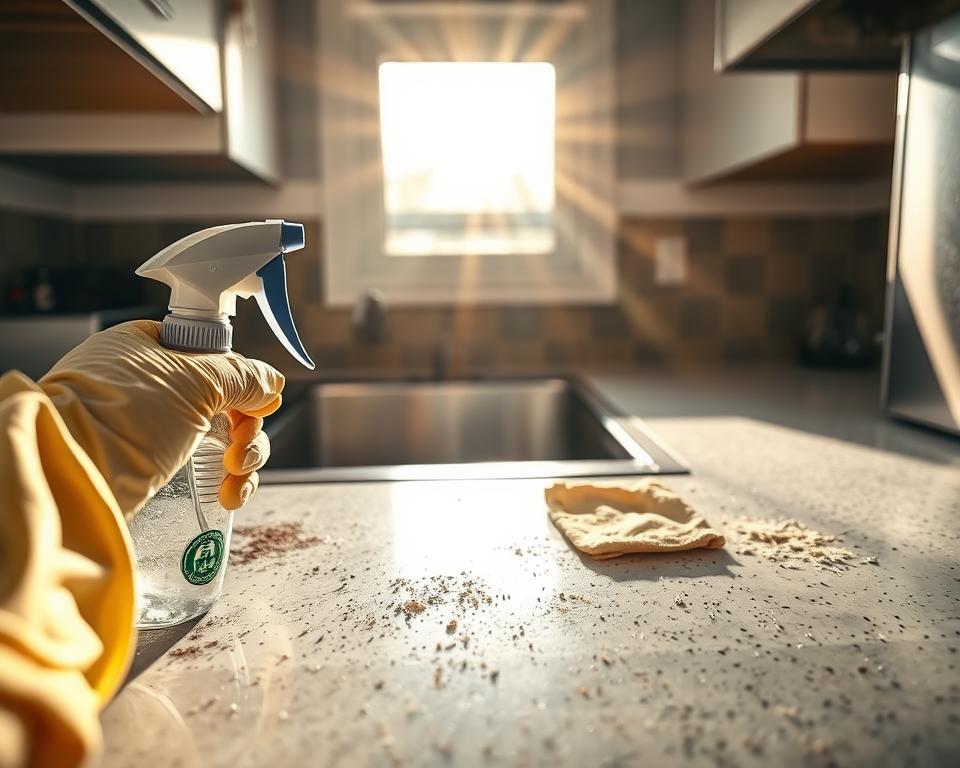
Standard procedures also overlook the air quality inside our home. We vacuum floors but forget about vents and filters. Circulating air can carry allergens and viruses.
How Germs Affect Health in the UAE Home
The local climate adds unique challenges to household health. High humidity and heat accelerate mold and bacterial growth. This happens even in air-conditioned homes.
Common household germs link directly to family health issues. Mold spores can trigger allergy symptoms and asthma attacks. Foodborne bacteria from kitchen surfaces cause stomach illnesses.
During the intense summer months, family life moves almost entirely indoors. This increases exposure to indoor pollutants and contaminants. Shared spaces see more use and higher germ transfer rates.
Dust mites thrive in the humid conditions common in UAE households. These microscopic creatures are a major trigger for eczema and respiratory problems. They live deep in bedding, carpets, and upholstered furniture.
Regular cleaning helps, but some situations demand professional expertise. Super Dream Pest Control & Cleaning Services UAE offers deep sanitation that reaches these hidden zones. Their methods break the cycle of contamination that daily routines might miss.
Understanding these risks makes the following list essential. Each item represents a common oversight in UAE homes. Let’s start with perhaps the most surprising hotspot of all.
1. The Kitchen Sponge: The Germiest Item in Your House
You might think your bathroom is the dirtiest room, but the true champion of germs is likely sitting by your kitchen sink. The humble sponge consistently ranks as one of the filthiest items in any house.
We use it to clean dishes, wipe counters, and tackle spills. Yet, this very tool can be a major source of contamination.
Why It’s the Ultimate Bacterial Breeding Ground
Its design is perfect for microbial life. The porous structure creates millions of tiny holes. These holes trap food particles and moisture.
Constant dampness turns the sponge into an ideal breeding ground. Bacteria multiply rapidly in this warm, wet environment.
Each time we use it, we might spread these germs. Wiping a clean surface with a dirty sponge re-contaminates the area. This defeats the purpose of our cleaning effort.
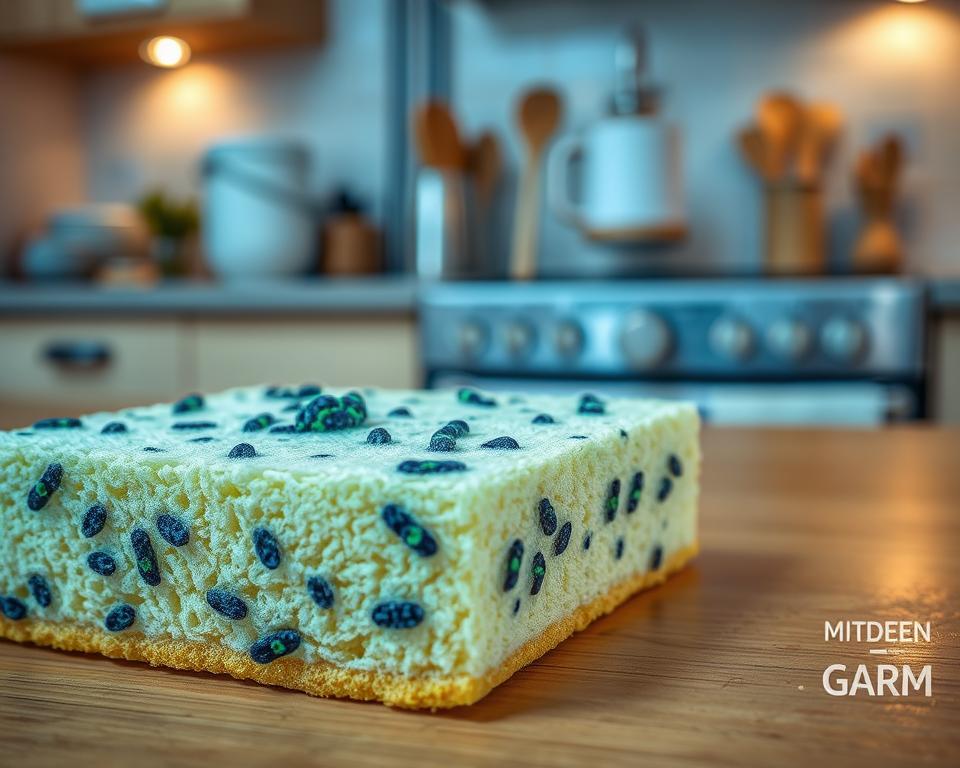
A well-known study by NSF International revealed alarming data. They tested common household items. More than 75% of dish sponges and rags harbored harmful bacteria like Salmonella and E. coli.
This study highlights a serious health risk right in our kitchen. The warm, humid climate in the UAE can accelerate this breeding process.
Our Tips to Disinfect and Replace Sponges
We must adopt better hygiene habits for this tool. Regular disinfection is non-negotiable. Here are our proven methods to keep your sponge safe.
First, rinse it thoroughly with hot water after every use. Squeeze out all excess moisture. Then, let it air-dry completely between uses.
For a deeper clean, try these effective techniques:
| Disinfection Method | How To Do It | Frequency | Key Consideration |
|---|---|---|---|
| Microwave | Place a damp sponge in the microwave. Heat on high for one full minute. | Daily | Ensure the sponge is wet to avoid fire risk. Let it cool before handling. |
| Bleach Solution | Soak the sponge for 5 minutes in a mix of 1 part bleach to 9 parts water. | Every 2-3 days | Rinse the sponge very thoroughly with water after soaking. |
| Dishwasher | Run the sponge through a cycle with the drying setting on. | With a load of dishes | Place it in the utensil basket for best results. |
No matter how well you disinfect, all sponges wear out. We strongly advise you to replace your kitchen sponge every week. This is a simple, effective rule.
Consider switching to alternatives. Use washable dishcloths that you can launder at high temperatures. Silicone scrubbers are also easier to keep clean and dry.
Managing your sponge is the first critical step toward a safer kitchen. It sets the stage for tackling the next major hotspot, which is often even closer to your cleaning zone: the kitchen sink.
2. Your Kitchen Sink: Dirtier Than Your Toilet?
It’s a startling comparison, but research suggests the basin where you wash your produce could be a greater microbial threat than the porcelain throne. This central fixture is often overlooked during routine cleaning.
The sink basin and drain are exposed to raw food, dirty dishes, and constant splashes. This creates a perfect environment for trouble.
How Raw Food and Moisture Create a Hazard Zone
Food particles and constant moisture turn this area into a prime hazard zone. Tiny scraps get trapped around the drain and plughole.
Microscopic scratches on the sink surfaces provide hiding spots for bacteria. These nooks are hard to reach with a simple wipe.
Rinsing raw meat is a major risk. It can aerosolize harmful pathogens like Salmonella and E. coli. These germs then settle on surrounding surfaces.
The NSF International confirms this danger. Their studies show areas where food is stored and prepared often have higher levels of bacteria and fecal contamination than other household items.
Combine this with the warm, humid climate of the UAE, and you have a recipe for rapid microbial growth. The drain pipe and garbage disposal unit become active breeding grounds.
Daily and Weekly Sink Disinfection Protocol
Preventing cross-contamination requires a dedicated cleaning schedule. Follow this simple protocol to keep your kitchen safe.
Daily Protocol:
- After washing dishes, rinse the entire basin with hot water.
- Spray a kitchen-safe disinfectant on the basin, taps, and handles.
- Let it sit for the time specified on the label, then wipe dry with a clean cloth.
Weekly Deep Clean:
- Clear the drain of any visible debris.
- Pour a cup of baking soda down the drain, followed by a cup of white vinegar.
- Let it fizz for 10-15 minutes to break down biofilm.
- Flush with a kettle of boiling water to rinse everything away.
We strongly advise against rinsing raw meat in the sink. If you must, do it in a large bowl to contain splashes. Then, disinfect the entire area immediately.
This disciplined approach breaks the cycle of contamination. It ensures your kitchen remains a place for healthy preparation, not a hidden harbor for germs.
3. High-Touch Surfaces: Light Switches, Handles, and Remotes
Consider the number of times your hand reaches for a doorknob or light switch without a second thought. These mundane items are silent germ transporters. They are critical for daily life yet often forgotten in our cleaning routines.
We touch them constantly with hands that may not be perfectly clean. This turns them into major hubs for microbial traffic.
The Constant Cycle of Germ Transfer
Every member of your family interacts with these surfaces dozens of times a day. A child touches a light switch after playing. An adult opens the refrigerator after handling groceries.
Each contact deposits and picks up germs. This creates a continuous loop of sharing bacteria and viruses within the household.
Scientific research confirms the risk. A notable study by NSF International tested common household objects. They found yeast, mold, and Staphylococcus on remote controls and game controllers.
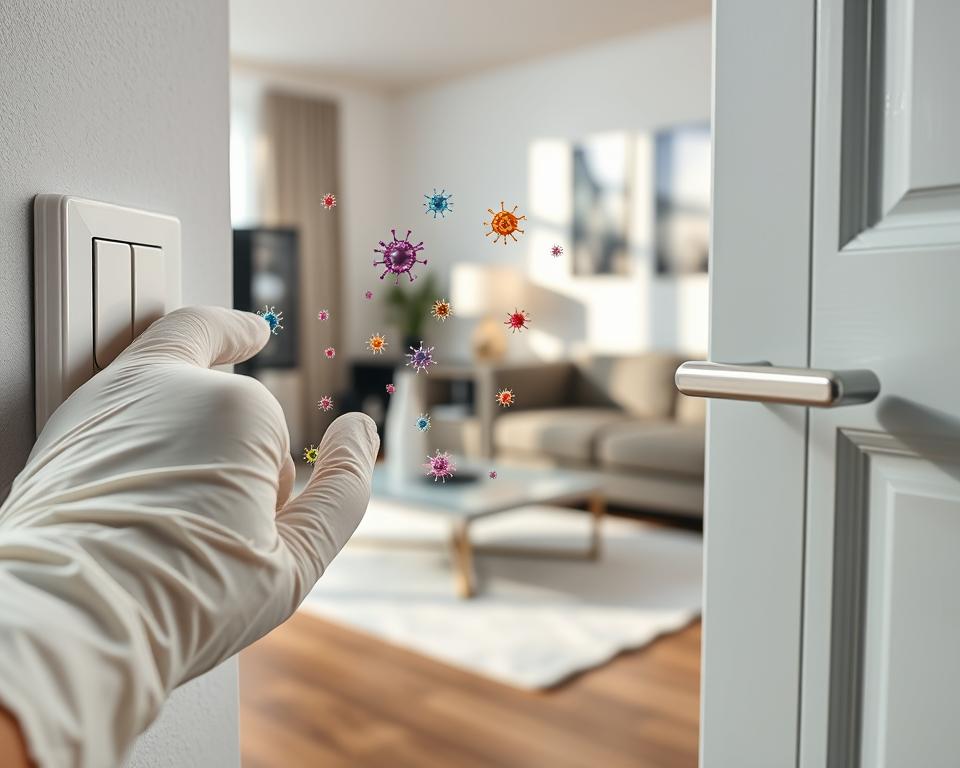
Some respiratory viruses are particularly persistent. They can survive on hard plastic surfaces for up to three days. This includes the plastic casing of your TV remote or the buttons on a stove.
This cycle is a hidden front in household health management. Breaking it is simpler than you might think.
Effective Disinfecting Wipes and Schedules
The solution is a consistent, targeted approach. We recommend integrating a quick wipe-down into your weekly cleaning schedule.
Use EPA-approved disinfectant wipes for the job. It is crucial to use a fresh wipe for each surface or group of surfaces. Using the same cloth or wipe just moves germs from one place to another.
Focus on these key points weekly:
- Light switches and power outlet plates
- Door handles and knobs (interior and exterior)
- Refrigerator and microwave handles
- Stove knobs and control panels
- TV remotes, gaming controllers, and landline phones
Intensify this schedule immediately if someone in the home is ill. Switch to a daily disinfection of all high-touch points. This helps contain the spread of illness.
For electronics like remotes, check that your wipes are safe for screens. Alternatively, use a soft cloth lightly dampened with 70% isopropyl alcohol. Ensure the device is off and unplugged, and never let moisture seep into openings.
This simple habit is a powerful defense. It directly interrupts the chain of infection at its most common links. A few minutes each week can make a significant difference for your family‘s well-being.
4. The Bathroom Toothbrush Holder: A Silent Threat
A common bathroom accessory quietly ranks among the filthiest objects in your living space. This small cup or stand is a major yet overlooked germ reservoir.
We place our cleaned toothbrushes into it, assuming they stay safe. The reality is far different. This fixture can introduce contaminants directly into our mouths.
From Toilet Plume to Your Toothbrush
Every flush creates an invisible cloud of aerosolized particles. Scientists call this phenomenon “toilet plume.” These microscopic droplets can travel several feet through the air.
They often settle on nearby surfaces, including your toothbrush holder. If the toilet lid is left open, the spread is much greater.
Specific studies highlight the danger. Research has consistently ranked toothbrush holders among the most contaminated home items. They often harbor more bacteria than many other bathroom surfaces.
Dripping water and leftover toothpaste residue create another problem. This sticky moisture collects at the base of the holder. It becomes a perfect breeding ground for microbial growth.
The warm, humid environment of a UAE bathroom accelerates this process. Bacteria thrive in this damp, nutrient-rich setting. It turns a hygiene product into a health hazard.
Simple Weekly Cleaning to Protect Your Family
Protecting your family’s health requires a simple weekly routine. Consistent cleaning breaks the cycle of contamination. It also safeguards your oral health.
We recommend washing the holder every week in hot, soapy water. Use a small brush to scrub the base and any crevices. Rinse it thoroughly with clean water.
If the holder is dishwasher-safe, place it on the top rack for a sanitizing cycle. The high heat will kill most germs effectively.
A crucial step is letting the holder dry completely before reusing it. Never place a wet toothbrush into a damp stand. This just restarts the bacterial growth cycle.
Always close the toilet lid before flushing. This simple habit drastically reduces the spread of airborne particles. It protects your entire bathroom from plume contamination.
This practice connects directly to your family’s well-being. A clean holder prevents the introduction of harmful bacteria into the body. It supports a truly healthy oral care routine.
Bathroom hygiene extends far beyond the toilet and shower. Paying attention to these small items makes a big difference. It ensures your entire house supports a healthier lifestyle.
5. Bedding and Mattresses: A Haven for Dust Mites
Your bed, a sanctuary for rest, secretly hosts a thriving microscopic ecosystem every single night. We shed millions of skin cells and produce sweat during sleep. This provides a constant feast for tiny inhabitants.
Our bedding and mattresses become the perfect place for dust mites and bacteria to flourish. The warm, humid environment under the covers supports their rapid growth. This hidden world directly impacts your family‘s health and comfort.
Regular cleaning of visible surfaces often misses this deep, embedded problem. These items require a specific maintenance strategy.
Allergens That Worsen Asthma and Eczema
Dust mites themselves are not the primary issue. Their waste pellets and decaying body fragments are potent allergens. These tiny particles become airborne and are easily inhaled.
Exposure to these allergens can trigger significant reactions. For individuals with asthma, it may lead to more frequent attacks and wheezing. It also causes classic allergy symptoms like sneezing and itchy, watery eyes.
For those with eczema, contact can worsen skin flare-ups and irritation. This is especially concerning for young children, who spend many hours in bed. Their developing immune systems are more sensitive.
Bacteria from sweat and skin oils add to the problem. They can contribute to skin irritation and even acne. Managing this environment is crucial for overall skin health.
Hot Water Washing and Bedding Replacement Guidelines
Breaking this cycle requires consistent, effective action. We insist on washing all bed linens at least once a week. This includes sheets, pillowcases, and duvet covers.
The wash temperature is critical. Use hot water at 60°C (140°F) or above to kill dust mites and bacteria. Most household cleaning detergents work well at this temperature.
For allergy sufferers, special covers are a powerful tool. Allergen-proof encasements for mattresses and pillows create a barrier. They prevent mites from colonizing the core of these items.
Even with diligent cleaning, bedding has a lifespan. Follow these replacement guidelines to limit allergen buildup:
- Pillows: Replace every 1 to 2 years.
- Mattresses: Replace every 7 to 10 years.
Daily bedroom ventilation is a simple, effective habit. Open windows for a short time each day to reduce humidity. This makes the environment less friendly for dust mite growth.
Managing moisture and heat in your house supports these efforts. A good night’s sleep truly depends on a clean, fresh sleep environment. This protects your entire family‘s well-being.
6. Cutting Boards: Grooves Full of Bacteria
One of the most critical junctions for food safety in your house is a surface you use daily. Your cutting board is essential for meal prep, but it can also be a major hub for cross-contamination.
We often focus on washing our hands and cleaning counters. The board itself, however, requires specific attention to prevent illness.
The Danger of Knife Scratches and Crevices
Every slice and chop with a knife leaves a tiny mark. Over time, these marks create a network of microscopic grooves across the board’s surface.
These grooves are perfect hiding places for harmful bacteria. Pathogens like Salmonella and E. coli from raw meat or unwashed vegetables can nestle deep inside. A quick rinse cannot reach them.
The risk is direct transfer. Juices from raw meat can seep into these crevices. If you then chop vegetables for a salad on the same board, those germs move onto your ready-to-eat food.
This is a primary pathway for foodborne illnesses at home. The warm, humid kitchen environment in the UAE can help these bacteria survive and multiply.
The Rule of Separate Boards and Hot Soapy Water
Preventing this danger rests on two cardinal rules. The first is separation. The second is thorough washing.
We insist on using completely separate boards. Designate one board exclusively for raw meat, poultry, and fish. Use a different board for fruits, vegetables, and bread. Color-coded boards are an excellent visual reminder for the whole family.
Wash boards immediately after use. Do not let juices or residues dry on the surface. Use hot water and plenty of dish soap.
Scrub vigorously with a clean brush to penetrate the grooves. Rinse thoroughly with more hot water. Stand the board upright to air-dry completely.
For occasional disinfection, use one of these methods after washing:
- Spray with a dilute bleach solution (1 tablespoon bleach per gallon of water). Let sit for a few minutes, then rinse.
- Wipe down with undiluted white vinegar, let sit for 10 minutes, then rinse with water.
No board lasts forever. Deep, numerous knife scars cannot be cleaned effectively. You must replace any board that has become heavily scored.
Choosing the right board and caring for it properly makes a significant difference. This table outlines the key points for common board types:
| Board Type | Key Advantage | Primary Concern | Best Care Practice |
|---|---|---|---|
| Wood (Hardwood like Maple) | Natural antimicrobial properties; knife scars close slightly. | Can absorb juices if not properly sealed/oiled. | Hand wash with hot soapy water. Dry immediately. Oil periodically with mineral oil. |
| Plastic (Polyethylene) | Non-porous; dishwasher safe for high-heat sanitizing. | Grooves from knives are permanent and trap bacteria. | Dishwasher safe (top rack). Replace when heavily scarred. |
| Glass or Composite | Very non-porous; extremely easy to disinfect. | Hard surface dulls knives quickly; can be slippery. | Wash with hot soapy water or disinfectant spray. Ensure secure placement during use. |
Mastering cutting board safety is a cornerstone of kitchen hygiene. It works alongside proper sink and sponge care. Together, these habits create a strong defense for your family‘s health.
Your next grocery trip, however, could introduce a new risk. The bags you use to carry food home are another unexpected source of germs.
7. Reusable Shopping Bags: Unexpected Cross-Contamination
The journey from supermarket shelf to your countertop can be a highway for microbial contamination. We champion reusable bags for the environment, but often neglect their hygiene. This oversight turns a sustainable choice into a silent threat for your family.
These bags can harbor dangerous bacteria like E. coli and Salmonella. They act as a vector, bringing germs from the store directly into your kitchen. Without proper care, they undermine all your other cleaning efforts.
How Raw Meat Juices Travel Home with You
Cross-contamination often starts with a simple leak. Packaging for raw meat or seafood is not always perfectly sealed. Juices can seep out and pool in the bottom of your bag.
These juices are teeming with bacteria. They then touch other food items during the trip. Fruits and vegetables you plan to eat raw are especially vulnerable.
Once home, we often store bags in dark, warm places. A car trunk or a storage closet provides ideal conditions. This warmth accelerates bacterial growth before the next use.
The problem compounds over time. Each unwashed trip adds new layers of risk. This turns a simple bag into a mobile contamination zone.
Washing Bags and Implementing a “Meat-Only” Bag
Breaking this cycle requires a dedicated bag hygiene system. The cornerstone is a simple color-coding strategy.
Designate specific bags exclusively for raw proteins. Choose one or two bags you will only use for raw meat, poultry, and seafood. Never put produce, bread, or dry goods in these bags.
For all other bags, follow this washing protocol based on material:
- Cloth Bags: Machine wash in hot water with detergent after every few uses. Wash immediately if you notice any spills or dampness.
- Insulated or Plastic Bags: Wipe the interior thoroughly with disinfectant wipes after each shopping trip. Pay close attention to seams and corners.
A crucial final step is drying. Always allow bags to air-dry completely before folding and storing them. Storing a damp bag encourages mold growth and more bacteria.
This simple system closes a major hygiene loophole. It protects the food you bring into your house and the surfaces in your kitchen. Your commitment to the planet should not compromise your family‘s health.
8. Pet Bowls and Toys: Bringing the Outside In
While we cherish our pets, their everyday items can silently rank among the most contaminated surfaces in a household. These objects are a direct link between the outdoor environment and our living spaces.
Our beloved animals can unintentionally introduce and spread germs through their bowls and toys. This creates a unique challenge for maintaining a healthy house.
How Pet Items Rank Among Home Germ Hotspots
Scientific research confirms the significant risk these items pose. A notable study by NSF International ranked pet bowls as the fourth germiest spot in homes.
Common pathogens found on pet belongings include Staphylococcus, yeast, and mold. These microorganisms thrive in the residual food and moisture left in bowls.
Pets can carry bacteria from outdoors, their mouths, and litter boxes onto their belongings. Every fetch toy or chew bone becomes a potential carrier.
This constant transfer turns these places into active hotspots. They impact the health of both the animal and human family members.
Daily Bowl Washing and Toy Disinfection
Protecting your family requires a manageable cleaning routine for pet owners. Consistency is the key to breaking the cycle of contamination.
For food and water bowls, we insist on daily washing. Use hot water and plenty of dish soap with a dedicated sponge. Rinse thoroughly and air-dry completely.
We recommend a weekly deep disinfection for hard toys and bowls. Soak them in a dilute bleach solution for ten minutes. A mix of one part bleach to nine parts water works well.
Always rinse these items very thoroughly after the bleach soak. This removes any residual disinfectant that could harm your pet.
For soft plush toys, advise a monthly machine wash if the label allows. Use a gentle cycle with mild detergent. Ensure the toy is completely dry before returning it to your pet.
A simple extra step can reduce dirt and germ intake. Wipe your pet’s paws with a damp cloth after outdoor walks. This simple habit keeps your floors and surfaces cleaner.
This approach balances our love for pets with practical hygiene. It ensures a safer environment for every member of the family, both two-legged and four-legged.
9. Makeup Brushes and Applicators: Beauty Product Bacteria
Cosmetic brushes and sponges are fertile ground for microbial growth, turning a daily routine into a potential risk. These items are in constant contact with our skin, picking up oils, dead cells, and makeup residue.
Without proper care, they can directly undermine our skin’s health. This aspect of personal hygiene is often overlooked in standard cleaning schedules.
The Link Between Dirty Brushes and Breakouts
Every use of a makeup tool transfers natural skin oils and dead cells onto its bristles or surface. This mixture, combined with leftover makeup, creates a sticky biofilm.
This film is a perfect food source for bacteria and other germs. They multiply rapidly in this environment. The warm, humid air of a bathroom storage place makes the problem worse.
The connection to skin issues is direct. Reapplying makeup with a contaminated brush reintroduces these bacteria to your pores. This can lead to new acne breakouts or worsen existing skin irritation.
For eye makeup applicators, the risk is even higher. Germs can cause infections like conjunctivitis (pink eye). Protecting your health means keeping these tools clean.
Weekly Washing Routines for Makeup Tools
Breaking this cycle requires a simple, consistent habit. We recommend a thorough washing of all brushes and sponges at least once a week.
Use a gentle soap or a dedicated brush cleanser. Swirl the bristles in your palm under lukewarm water until the water runs completely clear. This removes all trapped residue.
After washing, reshape the bristles and lay the brushes flat on a clean towel to dry. Never stand them upright in a cup. Trapped water in the ferrule will lead to mold growth and damage the brush.
For quick disinfection between deep cleans, use a spray containing 70% isopropyl alcohol. A light mist on the bristles can help control bacteria buildup.
Liquid makeup products and beauty sponges have a limited safe use time. We advise replacing them every six months to prevent inevitable bacterial overgrowth.
Following these steps protects your skin and your entire family from shared contaminants. Here is a clear guide for maintaining different types of tools:
| Tool
Type |
Cleaning
Frequency |
Primary
Method |
Key Drying
Instruction |
Replacement
Guideline |
|---|---|---|---|---|
| Makeup Brushes | Weekly | Wash with gentle soap & lukewarm water. | Lay flat to dry completely. | Replace if bristles shed excessively or become misshapen. |
| Beauty Blenders/Sponges | After every use (rinse), Deep clean weekly | Rinse thoroughly after use. Weekly wash with soap. | Squeeze out moisture and air-dry in a well-ventilated area. | Replace every 3-6 months. |
| Eyelash Curlers | Weekly | Wipe pad and metal band with 70% alcohol wipe. | Let alcohol evaporate fully before next use. | Replace the rubber pad as soon as it shows cracks. |
| Liquid Makeup Products (foundation, mascara) | N/A (Cannot be cleaned) | Avoid introducing contaminants (don’t pump wand in and out). | N/A | Discard after 6 months. |
Integrating this routine is a powerful step in holistic home hygiene. It closes a personal care loophole that affects your comfort and family well-being.
10. Your Washing Machine: A Paradox of Cleanliness
The appliance tasked with purifying your fabrics can ironically become a reservoir for contaminants itself. We trust it to remove dirt and stains, yet its hidden compartments often nurture microbial life. This creates a paradox where the tool for cleaning can compromise the hygiene of your house.
Regular use introduces organic matter like sweat, skin cells, and food residues into the drum. Combined with constant moisture, this forms an ideal habitat. The warm, enclosed space accelerates microbial growth between cycles.
Mold in Seals and the Problem of Cold Washes
The rubber door gasket is a prime trouble spot. It traps water and lint after every cycle. This damp, dark environment promotes black mold and mildew growth along the seal.
Frequent reliance on cold or low-temperature washes compounds the issue. These cycles save energy but fail to kill many bacteria and viruses. Microbes survive in the drum and detergent drawers.
Over time, this leads to a persistent musty odor. More critically, it can redeposit germs onto your freshly washed laundry. This defeats the entire purpose of the wash cycle.
Running Monthly Hot Cycles and Air-Drying
We prescribe a simple monthly maintenance routine. This disrupts the biofilm and kills accumulated pathogens. It restores your machine’s true cleaning power.
Run an empty cycle on the hottest setting your machine offers. Ideally, this should be 90°C (194°F). Add two cups of white vinegar or a commercial washing machine cleaner to the drum.
This hot water cycle sanitizes the interior. It dissolves mineral deposits and soap scum. Perform this deep clean once every month for best results.
After each regular use, adopt two vital habits. First, leave the washer door and the detergent drawer wide open. This allows air to circulate and dry the interior completely.
Second, wipe the rubber seal dry with a clean cloth every week. Pay attention to the folds where moisture collects. A quick wipe prevents mold from taking hold.
These steps are simple but crucial for appliance longevity and true cleanliness. They ensure the process of washing clothes supports your family‘s health, not undermines it.
Conclusion: Partnering for a Truly Healthy Home
Creating a healthy living space is a continuous partnership between daily diligence and expert care. Microbes exist in many places, but knowledge and consistent routines significantly lower risks.
True home hygiene goes beyond wiping visible surfaces. It requires a schedule for cleaning, sanitizing, and disinfecting specific items and zones.
Managing this can be challenging for busy family life in the UAE. This is where professional help excels. Super Dream Pest Control & Cleaning Services UAE provides deep disinfection and pest control.
Their services complement your daily habits for a comprehensive reset. Combine your vigilance with their expertise to build a protective sanctuary for everyone.